
Selecting Art for a Luxury Residence: A Masterclass in Curated Elegance
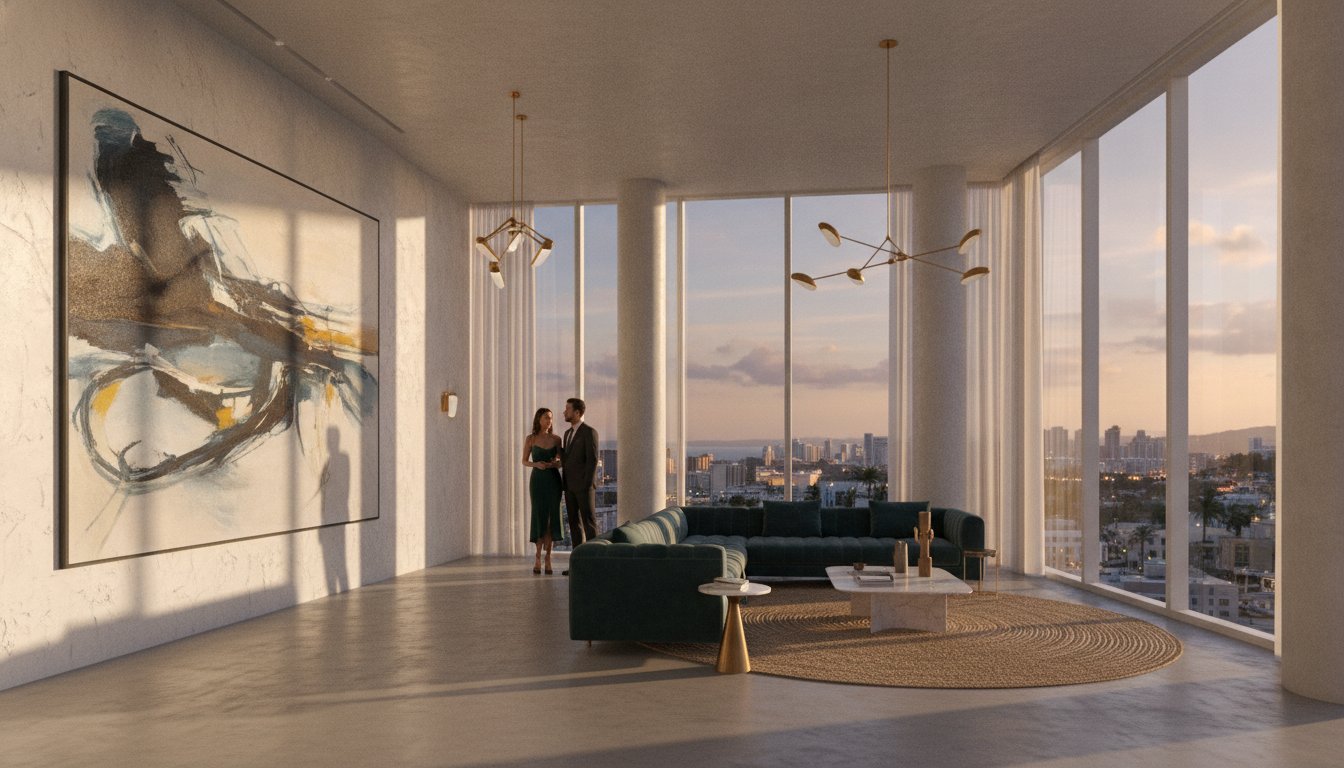
A blank wall in a high-end home isn't just a space to be filled; it's a silent dialogue between architecture and identity. Many homeowners face a quiet anxiety when selecting art for a luxury residence, fearing that a mismatched scale or a poorly chosen frame might undermine the entire aesthetic of a room. It's a valid concern because the line between a sophisticated collection and a random assortment of decor is often thinner than we'd like to admit. You want your home to reflect your journey, yet you also need it to maintain the rigorous standards of professional interior architecture.
This guide bridges the gap between personal passion and curated elegance. You'll discover how to master the delicate balance of proportions, ensuring every sculpture and canvas feels anchored within its environment rather than floating in it. We'll examine the strategic rules of art consultation that turn a simple purchase into a lasting investment. From understanding the impact of specialized lighting to integrating digital art into a traditional floor plan, you're about to learn how to cultivate an atmosphere that feels like a private gallery, curated specifically for your life.
Key Takeaways
- Understand how art functions as the emotional core of a home, bridging the gap between architectural structure and your personal narrative.
- Learn the professional rules of proportion and scale essential for selecting art for a luxury residence that commands attention while maintaining spatial harmony.
- Discover how to adapt your collection to the specific light and cultural landscape of your city, from San Francisco’s sophisticated modernism to Miami’s vibrant energy.
- Explore the advantages of professional art consultation, including exclusive access to off-market pieces and direct relationships with international artisans.
- Gain technical insights into integrating art directly into your home’s interior architecture through custom millwork and museum-grade lighting design.
The Philosophy of Selecting Art for a Luxury Residence
Art is the heartbeat of a home. It's the element that transforms a series of beautifully designed rooms into a living, breathing sanctuary. In high-end design, we view art not as a secondary accessory or a final flourish, but as the "soul" of the residence. It's the bridge that connects the rigid lines of interior architecture to the fluid, deeply personal narrative of the people who live there. Selecting art for a luxury residence requires a shift in perspective; we move away from the simplistic goal of "matching the sofa" and toward a philosophy of curatorial intent. This approach focuses on how a piece can elevate a space through deliberate contrast or profound harmony, ensuring the home feels like a curated collection rather than a showroom.
By understanding the decorative arts and their historical evolution, we recognize that every object carries weight. A successful interior doesn't just display art; it dialogues with it. This dialogue is what gives a residence its character, turning stone and glass into a reflection of a life well-lived. It's about finding pieces that challenge the room, spark conversation, and provide a sense of permanence in an ever-changing world.
Art as an Architectural Element
In modern, open-concept luxury layouts, art serves a functional purpose by defining specific zones without the need for physical barriers. A massive, textured canvas can anchor a dining area, while a delicate sculpture might signal the transition into a private study. These pieces have the power to alter our perception of space. A vertical composition can draw the eye upward to emphasize soaring ceiling heights; a horizontal installation can make a narrow gallery feel expansive. We categorize these selections as either focal points, which command immediate attention, or atmospheric layers, which provide a subtle, textured backdrop to the room’s overall volume.
Balancing Personal Taste with Design Sophistication
The journey begins by identifying your "aesthetic north star." This is the core emotional response you want your environment to evoke. The most compelling luxury interiors don't shy away from mixing different periods and mediums. A 17th-century oil painting can look breathtakingly modern when placed against a minimalist, cold-rolled steel wall. My role as a designer is to refine these raw preferences, acting as a filter that ensures your personal taste is elevated through professional expertise. We look for the common thread in your interests, whether it's a love for bold geometry or a preference for organic, ethereal forms, and translate that into a sophisticated, cohesive collection.
- Define Zones: Use large-scale works to create "rooms within rooms."
- Alter Perception: Leverage art to manipulate the visual height and width of a space.
- Mix Mediums: Combine photography, sculpture, and painting for a layered, professional look.
Strategic Selection: Scale, Narrative, and Medium
Precision is the hallmark of a professionally curated home. When selecting art for a luxury residence, the most common pitfall isn't a lack of taste, but a failure of scale. A piece that looks magnificent in a gallery can easily vanish on a twenty-foot limestone wall. Mastering the rule of proportions ensures that your collection commands the room without suffocating it. It's about finding that visual anchor where the art occupies approximately two-thirds to three-quarters of the available wall space, creating an intentional and effortless presence. Engaging in professional art consultation helps navigate these technical nuances, ensuring that every acquisition serves the broader vision of the home.
Beyond scale, a residence requires a narrative thread. This isn't about repeating the same artist or style in every room. Instead, it's a subtle resonance, perhaps a shared tonal palette or a recurring textural motif, that guides the eye from the foyer to the master suite. This continuity creates a sense of calm and order. The psychological impact of color and texture shouldn't be underestimated; a high-gloss, vibrant oil painting can energize a social space, while a matte, monochromatic textile piece can bring a necessary softness to a bedroom lined with glass and steel.
The Power of Large-Scale Statement Pieces
Every significant room needs a "hero" piece. This is the work that defines the room’s design language and sets the tone for all subsequent furniture and material choices. However, large-scale works bring technical challenges. Hanging a heavy bronze relief or a massive canvas on luxury finishes like silk wallpaper or book-matched marble requires specialized hardware and structural foresight. It's also vital to respect the "white space." A statement piece needs room to breathe; crowding it with smaller works or tall furniture diminishes its authority and creates visual clutter.
Diversifying Your Collection: Mediums and Textures
A sophisticated collection avoids the monotony of a single medium. While oil on canvas remains a staple, integrating three-dimensional sculptural pieces adds a layer of depth that paintings cannot achieve. We are seeing a significant rise in the use of museum-grade black and white photography, which provides a crisp, transitional edge to modern interiors. Digital installations are also becoming a mainstream choice for high-net-worth collectors, with over 51% having purchased digital works by 2025. These dynamic pieces allow the "soul" of the residence to evolve throughout the day.
- Rule of Proportions: Aim for art to cover 60% to 75% of the wall area for a balanced look.
- Tactile Contrast: Use mixed media or textile art to soften hard architectural surfaces like stone or polished concrete.
- Medium Variety: Balance traditional oils with sculpture, photography, and digital displays.
- Negative Space: Leave ample wall space around "hero" pieces to maintain an air of exclusivity and focus.
Curating by Location: From San Francisco Modern to Miami Vibrant
The environment surrounding a home acts as an unwritten framework for its interior. When selecting art for a luxury residence, we must consider the specific quality of light and the cultural pulse of the city it inhabits. A piece that resonates in the foggy, ethereal atmosphere of Northern California might feel muted in the neon-drenched heat of Florida. True curated elegance stems from an awareness of these regional nuances, ensuring the collection feels deeply rooted in its place rather than merely placed within it. This geographical sensitivity is what separates a generic luxury interior from a home that feels like a masterpiece of site-specific design.
Light is the most transformative element in any gallery space. The way a canvas absorbs or reflects the afternoon sun changes its emotional impact. By adapting our choices to the local landscape, we create a seamless transition between the world outside and the sanctuary within. Selecting art for a luxury residence in these diverse markets requires a designer's understanding of how environment shapes perception and how architecture responds to its surroundings.
San Francisco & Bay Area: Timeless Sophistication
In San Francisco, the aesthetic leans toward a timeless, sophisticated modernism. Here, the architecture often blends historical character with sharp, contemporary lines. We often look to the heritage of the Bay Area Figurative Movement for inspiration, selecting works that balance abstraction with a sense of human presence. The natural light in the Bay Area is soft and cool; it rewards art with subtle textures and intricate details that might be lost in harsher climates. It's a region that values innovation, making it the perfect backdrop for experimental mediums that still respect traditional craftsmanship.
Miami & Florida: Vibrant Coastal Luxury
Miami demands a different energy entirely. The intense Florida sun can wash out delicate palettes, so we often select high-saturation works and bold contemporary pieces that can compete with the vibrant landscape. Whether we're designing for a private villa or executing Commercial Interior Design for a luxury lobby, the art must reflect the city’s international, coastal spirit. It’s about movement, scale, and a fearless use of color that thrives in a high-contrast environment. Abstractions that evoke the fluidity of the ocean or the geometry of Art Deco heritage feel particularly at home here.
Park City & Salt Lake City: Mountain Modern Art
For the mountain retreats of Park City, the goal is to bridge the gap between the rugged outdoors and a refined interior. Mountain modern art avoids clichéd wilderness imagery. Instead, we curate organic, textural pieces that mirror the local topography. Sculptures in wood, stone, or raw metal provide a tactile connection to the landscape. In the vast "great rooms" typical of these residences, we select oversized works that can hold their own against massive stone fireplaces and expansive views of the Wasatch Range. It’s a curation of strength and serenity.
- San Francisco: Focus on soft light, historical dialogue, and sophisticated figurative abstraction.
- Miami: Embrace high-saturation colors and bold, contemporary forms that stand up to intense sunlight.
- Park City: Prioritize organic textures and large-scale sculptural elements that echo the mountain terrain.

The Art Consultation Process: Sourcing and Procurement
Sourcing exceptional art is an intricate ballet of intuition, market intelligence, and logistical precision. While self-sourcing might seem appealing, the true value of professional art consultation lies in the ability to transcend the visible market. Selecting art for a luxury residence isn't merely about browsing high-end galleries; it's about accessing the "off-market" world where the most significant works often reside. This process requires a designer who acts as both an aesthetic guide and a project manager, ensuring that every acquisition is authenticated, properly insured, and seamlessly integrated into the home’s structural framework.
The procurement phase is where the vision meets reality. Recent 2025 market data suggests that 30% of high-net-worth collectors have become significantly more selective, prioritizing provenance and long-term stability over transient trends. This shift makes the role of the consultant vital. We don't just find art; we verify its history and manage the complex logistics of international shipping and customs. For those ready to begin this journey, you can schedule a private consultation to explore how we source world-class pieces for our clients.
Leveraging Designer Networks
Pianta Design utilizes 30 years of global relationships to bridge the gap between international studios and your living room. Our network includes direct ties to elite Italian manufacturers and private ateliers that aren't accessible to the general public. There's a profound synergy between custom furniture design and curated art; we often coordinate the two to ensure that a bespoke console and the painting above it share a singular, harmonious DNA. Whether we're walking the halls of Art Basel Miami or Frieze London, we view the fair through a professional lens, identifying works that possess the right scale and narrative for your specific architectural volume.
The Commissioning Journey
Sometimes, the perfect piece doesn't exist yet. Commissioning a site-specific masterpiece allows us to tailor the medium, dimensions, and emotional tone to the exact elements of interior design within a room. This journey is a collaborative partnership. We manage the artist’s timeline, oversee the technical requirements for installation, and ensure the final work honors the original design intent. It's a rigorous process of project management that protects your investment while resulting in a work that is truly one of one.
- Provenance Verification: We ensure every piece comes with documented history to protect its future value.
- Logistical Oversight: From white-glove shipping to white-wall installation, we handle every technical detail.
- Strategic Sourcing: Accessing private sales and off-market works through long-standing industry relationships.
- Bespoke Commissions: Directing the creation of unique works designed specifically for your home’s unique proportions.
Integrating Art into the Interior Architecture
The final stage of selecting art for a luxury residence is the physical integration of each piece into the home’s structural narrative. We don't simply hang a painting; we embed it. This is where interior architecture and fine art become inseparable. Through the creation of bespoke millwork niches and recessed alcoves, we provide a dedicated stage for each work. This architectural foresight ensures that a sculpture or an oversized canvas doesn't look like a late addition, but like an essential component of the room’s skeletal design. When art is planned during the space planning phase, the result is a home that feels intentionally built around its collection.
Placement follows rigorous rules of sightlines and height. We generally position the center of a work between 57 and 60 inches from the floor, aligning with the average human eye level. This creates a consistent horizon line throughout the residence, providing a sense of calm and professional curation. For larger volumes, we adjust these proportions to respect the architectural scale, ensuring the art remains the focal point without being overwhelmed by the surrounding void.
Technical Lighting and Protection
Lighting is the medium through which we experience art, and its design requires technical precision. We distinguish between "wash" lighting, which provides a gentle, even glow across a large wall, and "accent" lighting, which uses focused, museum-grade beams to highlight texture and depth. Because luxury residences often feature expansive floor-to-ceiling windows, UV protection is non-negotiable. Specialized glazing and museum-grade glass are essential to prevent fading and maintain the piece's value. We often integrate these fixtures into smart home systems, allowing for "Gallery Modes" that adjust the atmosphere with a single touch, protecting your investment while showcasing its brilliance.
Custom Framing and Millwork Integration
The frame acts as the threshold between the artwork and the room. Standard, off-the-shelf solutions invariably fail the rigorous standards of residential interior design because they lack the necessary material dialogue. We select frame finishes that echo the room’s hardware, whether it's a hand-rubbed bronze, a specific wood grain, or a matte lacquer that matches the custom cabinetry. A "floating" frame offers a modern, ethereal look, while a "recessed" frame built directly into the millwork provides a more classical, permanent feel that anchors the art within the home's very walls.
- Museum-Grade Lighting: Use dedicated circuits and high-CRI (Color Rendering Index) fixtures to reveal true colors.
- UV Mitigation: Install protective films and specialized glass to shield canvases from sun damage.
- Horizon Consistency: Maintain a unified eye-level height across the residence for a professional gallery feel.
- Material Echo: Coordinate frame finishes with the home’s architectural hardware and millwork.
Cultivating a Legacy of Personal Expression
Selecting art for a luxury residence is a profound journey that transcends mere decoration. It's about discovering the "soul" of your home and weaving it into the very fabric of your interior architecture. We've explored how the right scale and medium can anchor a room, and why geographical nuances in cities like San Francisco, Miami, or Park City should shape your collection's aesthetic. By integrating museum-grade lighting and custom millwork, your art becomes a permanent part of the environment rather than a fleeting accessory. This strategic approach ensures that every piece speaks to the architecture while reflecting your unique perspective.
True curated elegance requires a partner who understands the technical precision and emotional weight of every acquisition. With over 30 years of luxury design experience and exclusive relationships with elite Italian manufacturers, Pianta Design bridges the gap between international galleries and your private sanctuary. Our offices in San Francisco, Miami, and Park City provide the regional insight necessary to build a collection that thrives in its specific environment. Your home is a canvas that deserves a master’s touch.
Elevate your residence with a bespoke art consultation from Pianta Design. Let's transform your vision into a living masterpiece that inspires for generations.
Frequently Asked Questions
How do I determine the right size of art for a large wall?
Aim for the artwork to occupy approximately two-thirds to three-quarters of the available wall space. Selecting art for a luxury residence requires a deep respect for architectural volume; a piece that is too small will inevitably feel like an afterthought. If a single canvas cannot command the space, consider a triptych or a curated gallery wall to create the necessary visual weight and presence.
Should art always be hung at eye level in a room with high ceilings?
Yes, the center of the piece should typically sit between 57 and 60 inches from the finished floor. This standard maintains a consistent horizon line that grounds the room and provides a professional gallery feel. In spaces with exceptionally high ceilings, you might slightly elevate the placement or utilize taller vertical works to draw the eye upward, but the primary focus must remain accessible to the viewer's natural gaze.
How do I start an art collection for my first luxury home?
Begin by identifying the emotional tone you wish to evoke, then seek pieces that resonate with your personal aesthetic north star. It's wise to engage an art consultant early to navigate the complexities of the international market. Focus on quality over quantity; one significant hero piece often provides a more sophisticated foundation than several smaller, less intentional acquisitions that lack a cohesive narrative.
Is it better to buy art before or after the furniture is selected?
Ideally, art and furniture are selected in tandem to ensure a harmonious dialogue between textures, colors, and forms. However, if you discover a masterpiece that captures your soul, it's often better to design the room around the work. High-end interior architecture allows for the flexibility to tailor custom millwork and furniture to complement the specific proportions of a significant acquisition.
How do I light a painting without causing glare or damage?
Use museum-grade LED fixtures with a high Color Rendering Index to reveal true pigments without the risk of heat damage. To minimize glare, position the light source at a 30-degree angle from the wall. Ensure all expansive windows have UV-filtering glazing, as natural sunlight is the primary cause of long-term degradation for investment-grade canvases and delicate textile works.
Can I mix contemporary art with traditional architecture?
Absolutely, the juxtaposition of bold modern abstraction against classical millwork often creates the most sophisticated luxury interiors. This contrast highlights the unique details of both the artwork and the historical architecture. The key is to find a subtle thread of continuity, such as a shared tonal palette or a similar sense of scale, to anchor the two disparate styles together in a unified space.
What is the role of an art consultant in residential design?
An art consultant provides essential market intelligence and exclusive access to off-market works that aren't available to the general public. They manage the technical aspects of selecting art for a luxury residence, including authentication, provenance verification, and white-glove shipping logistics. Their expertise ensures your collection is both an aesthetic triumph and a secure financial investment for your estate.
How do I ensure the art I buy will appreciate in value?
Focus on artists with established auction records and a clear, well-documented provenance to protect your investment. While no financial return is guaranteed, works with a strong exhibition history and reputable gallery representation tend to maintain their value more effectively. Always prioritize your personal connection to the work first, as the daily enjoyment of the piece is its most immediate and consistent return.
