
Lighting Design for High Ceilings: Mastering Scale and Atmosphere
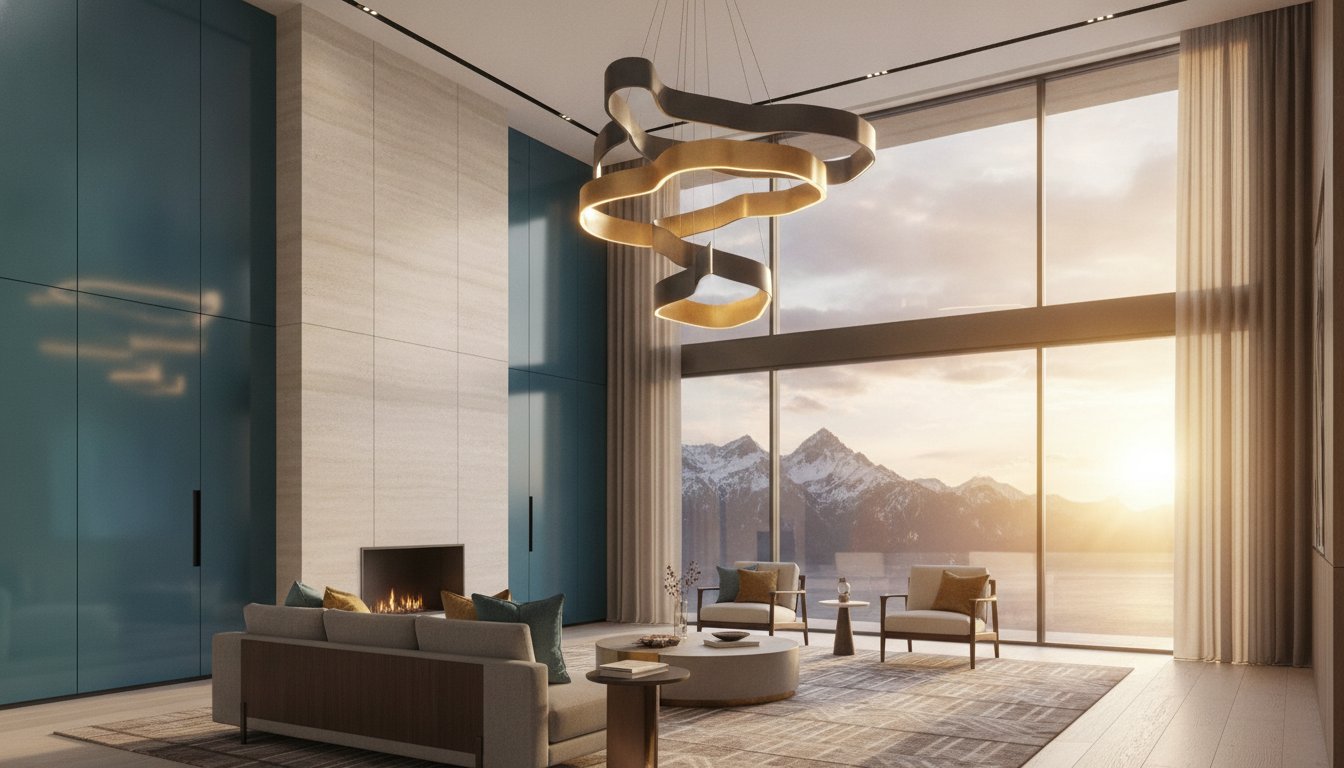
A grand room with soaring heights should feel like a masterpiece, yet without a deliberate hand, these vast vertical volumes often feel more like a cold, echoing gallery than a private sanctuary. You've likely noticed how a lack of proper lighting design for high ceilings can make even the most exquisite furniture feel adrift, or how the upper reaches of a room can dissolve into unsettling dark spots that sap the soul from your home. It’s a common struggle to bridge the gap between a majestic ceiling and the floor where life actually happens, often leaving a space feeling disconnected and hollow.
We believe that successful illumination in these grand volumes isn't about mere brightness; it’s about architectural layering that restores a sense of human scale to the environment. This guide will show you how to transform cavernous voids into intimate, luxury retreats through the precision of Italian craftsmanship and the strategic use of light. We'll explore how to select statement fixtures that act as sculptural art, eliminate harsh shadows, and implement sophisticated control solutions that ensure your home remains a warm, balanced haven of professional design and aesthetic harmony.
Key Takeaways
- Learn to define the threshold of high-volume spaces and avoid the "cavern effect" by bridging the gap between floor and ceiling.
- Master the three-layer strategy to seamlessly shift from vibrant daytime clarity to a moody, intimate evening atmosphere.
- Discover why custom Italian craftsmanship is the pinnacle of lighting design for high ceilings, offering the scale and material presence needed for luxury homes.
- Resolve maintenance concerns by prioritizing integrated LED technology with long lifespans, ensuring your grand fixtures remain effortless and functional.
- Explore how professional interior architecture integrates lighting at the blueprint stage to ensure a seamless harmony between light and structure.
Mastering Scale and Proportion in High-Volume Spaces
In the architectural landscape of a luxury home, the threshold between standard and high-volume begins at ten feet. Once a ceiling rises beyond this mark, the physics of the room change. Light behaves differently, and the emotional response of the inhabitant shifts. Without a thoughtful approach to Architectural lighting design, these vast spaces often fall victim to the "cavern effect." This phenomenon occurs when the upper half of a room remains shrouded in shadow, making the environment feel cold, uninviting, and architecturally disconnected. It’s a common paradox: the very height meant to convey luxury can end up making a home feel vacant.
Mastering lighting design for high ceilings requires an acute understanding of visual weight. A fixture that appears substantial in a showroom often vanishes when suspended in a twenty-foot foyer. To maintain the integrity of the space, fixtures must possess enough presence to command the vertical volume. This is a fundamental pillar of sophisticated residential interior design; the lighting must act as an anchor, bridging the distance between the floor and the ceiling to prevent high-end furniture from looking diminutive or misplaced. When scale is ignored, even the most expensive materials lose their impact.
The Human Scale Principle
Grandeur shouldn't come at the cost of comfort. In the expansive estates of Park City or the airy villas of Miami, the challenge is to create a comfortable "living zone" that feels intimate despite the soaring heights. We achieve this by bringing the eye down. By breaking the vertical plane with mid-level sources like wall-mounted sconces or carefully positioned floor lamps, we anchor the space. This technique creates a layer of warmth at the human level, ensuring that even the most majestic great room feels like a sanctuary rather than a transit hall.
Defining the Vertical Canvas
The upper third of a high-volume room isn't a void to be ignored; it's an architectural opportunity. Effective lighting design for high ceilings treats the ceiling as a five-sided canvas. When light grazes high-end materials like Venetian plaster or hand-carved coffered wood, it reveals textures that would otherwise remain invisible. We use shadows intentionally to add depth and drama. By highlighting the peaks and recesses of the architecture, we transform a simple ceiling into a dynamic element of the home's aesthetic narrative, ensuring every inch of the volume serves a purpose.
The Three-Layer Lighting Strategy for Tall Interiors
A single overhead light source in a grand room is an architectural missed opportunity. It creates a flat, clinical atmosphere that fails to respect the complexity of a high-volume space. The golden rule of lighting design is to never rely on a single source. Instead, we compose a symphony of light through layering, which allows a room to breathe and adapt. This strategy provides the flexibility to shift from the crisp, functional clarity required during the day to the soft, moody embrace of a quiet evening. By balancing artificial sources with the natural light pouring in from high-altitude windows, we maintain a sense of 24-hour equilibrium and comfort.
Consistency in color temperature (CCT) is the invisible thread that binds these layers together. In luxury residential environments, we typically curate a palette between 2700K and 3000K. This warm spectrum mimics the gentle glow of late afternoon sun, ensuring that the transition between different light sources feels seamless. When lighting design for high ceilings is executed with this level of precision, the architecture feels intentional, and the atmosphere remains cohesive regardless of the hour.
Ambient Foundations: Filling the Volume
Ambient lighting serves as the foundation of your lighting plan. In tall interiors, we often utilize high-output recessed fixtures, but the secret lies in the beam angle. While wide-beam lights offer a general wash, narrow-beam fixtures are essential for pushing light down from twenty feet to the floor level. We must account for the "Lumen Gap," where light intensity naturally dissipates over distance. To counter this, we integrate indirect sources like cove lighting or uplights. These fixtures "wash" the ceiling in a gentle glow, eliminating dark corners and reducing the harsh shadows that can make a large room feel imposing. If you find the technical nuances of these layers complex, consulting with professional lighting design specialists can ensure your vision is realized without compromise.
Accent and Task Integration
Once the volume is filled, we focus on the details. Accent lighting uses precision-aimed gimbals to highlight artwork or architectural flourishes, adding a layer of drama and depth. Task lighting then addresses the "living zone," bringing light exactly where it’s needed. Low-slung pendants over a kitchen island or elegant floor lamps in a reading nook create visual "islands" of light. These islands define functional areas within an open-concept plan, providing a sense of purpose and intimacy that prevents the inhabitant from feeling lost in the vastness of the room. Effective lighting design for high ceilings ensures that every corner of the home serves both the eye and the lifestyle of those within it.
Statement Fixtures: Combining Grandeur with Italian Craftsmanship
Italian lighting isn't just a choice; it's a statement of permanence. In high-volume homes where the architecture demands a commanding presence, lighting design for high ceilings relies on custom-sourced Italian fixtures to provide the necessary visual weight. These aren't mass-produced items; they're sculptural elements that bridge the gap between the ceiling and the living space. The artisanal heritage of hand-blown crystal and brushed metals ensures that each piece carries a sense of history and soul, which is essential when trying to warm a vast, modern room.
When we approach the illumination of these grand spaces, we look at how silhouettes harmonize with the room's core pieces. Coordinating your lighting with custom furniture design ensures that a bespoke dining table or a hand-crafted lounge suite isn't overshadowed by an undersized fixture. In particularly wide rooms, a single chandelier might feel isolated. We solve this by using clusters, grouping multiple fixtures to fill the horizontal space and create a rhythmic, artistic installation that guides the eye through the volume. This approach transforms a functional necessity into a focal point of lighting design for high ceilings.
Selecting the Right Drop Length
A common mistake is hanging a fixture too high, which severs its connection to the room. The "1/3 rule" suggests that the fixture should generally occupy the middle or lower third of the room's total height. This placement ensures the light interacts with the inhabitants rather than floating in an inaccessible void. In homes with panoramic views, like those in Miami or Park City, we meticulously check visual sightlines to ensure the grandeur of the fixture doesn't obstruct the landscape. For a two-story foyer, a reliable formula is to keep the bottom of the fixture approximately 96 inches from the floor, though we adjust this based on the specific architectural context.
Materiality and Visual Weight
The choice between transparent and opaque materials dictates the room's energy. Airy glass pendants or hand-blown crystal spheres allow the eye to travel through the space, making them ideal for maintaining a sense of openness. These refractive materials scatter light, filling a large void with a gentle, shimmering glow. In contrast, solid metal chandeliers in brushed brass or blackened steel provide a grounded, authoritative feel. This decision is a critical part of the overall material and finish selection process. By aligning the lighting finishes with the textures of the wider room, we create a unified aesthetic that feels both deliberate and timeless.

Overcoming Technical Challenges in High-Ceiling Lighting
The ethereal beauty of a soaring ceiling brings with it a unique set of pragmatic demands. While the aesthetic impact of grand volumes is undeniable, the technical execution of lighting design for high ceilings must be flawless to ensure longevity and comfort. One of the most frequent concerns we encounter involves the long-term maintenance of fixtures suspended twenty feet in the air. The era of precarious ladders is over. We now prioritize integrated LED technology as a mandatory standard for high-altitude installations. These systems offer a lifespan of approximately 50,000 hours, meaning a fixture used for eight hours a day could remain operational for nearly two decades without requiring a single bulb change.
Beyond longevity, we must address the quality of light reaching the living plane. High-wattage sources placed at great heights can easily create "hot spots" or harsh glare on the floor if they lack proper diffusion. We manage this through the use of textured glass, frosted lenses, or indirect bouncing techniques that soften the output. We also consider how air near the ceiling is often warmer due to rising heat, so we select luminaires designed with superior heat dissipation and airflow management. This prevents the sensitive electronics within modern LEDs from degrading prematurely, preserving the integrity of your investment.
Maintenance and Accessibility
For the most substantial statement pieces, motorized chandelier lifts represent the pinnacle of luxury maintenance. These systems allow you to lower a massive fixture to floor level with the touch of a button for effortless cleaning. We also advocate for remote driver locations, where the technical power components are housed in an accessible closet rather than inside the ceiling canopy. Modern LED integration creates a truly scaffold-free maintenance environment where the need for professional intervention is reduced to almost zero over the life of the home.
Smart Controls and Dimming
In a room with such significant volume, a standard wall switch is insufficient. We implement scene-based control systems, such as those by Lutron or Crestron, which allow you to adjust every layer of light simultaneously to suit a specific mood or time of day. These systems can also facilitate circadian lighting, where the color temperature of your home shifts automatically from a crisp, energizing white at noon to a warm, amber glow as the sun sets. This biological alignment ensures your environment always feels in harmony with the natural world outside. If you're ready to integrate these sophisticated technologies into your home, our experts in Lighting Design can guide you through the process.
Lighting as Interior Architecture: The Pianta Design Process
The final orchestration of a grand interior requires that light be treated as a structural element rather than a decorative addition. Leading interior design firms don't wait until the walls are painted to consider illumination. Instead, we weave lighting design for high ceilings into the very blueprints of the home. This proactive approach ensures that every junction box, recessed housing, and structural support is positioned with surgical precision, allowing the light to interact perfectly with the finished architecture and the intended flow of the space.
Executing a vision of this scale necessitates a deep collaboration between designers, architects, and electrical contractors. It’s a process defined by technical rigor and artistic intuition. We manage the complex procurement of exclusive fixtures from Italian manufacturers, ensuring that these artisanal pieces meet the specific requirements of the room's volume. Handling the logistics of heavy, oversized deliveries is a choreographed effort, often involving specialized assembly and white-glove installation to protect the integrity of both the fixture and the home’s surfaces.
Custom Sourcing and Siting
Standard, off-the-shelf solutions often feel thin and inadequate when placed within unique, high-ceiling architectural volumes. We specialize in sourcing and siting fixtures that command the space. This often involves designing custom mounting plates and reinforced structural supports to accommodate the weight of substantial chandeliers. In a recent San Francisco great room project, we transformed a vast, echoing volume by siting a bespoke, multi-tiered installation that acted as a visual anchor, drawing the disparate elements of the room into a single, harmonious narrative that felt both intimate and grand.
Integrating with Construction
True excellence in lighting design for high ceilings is born during the construction oversight phase. We work alongside the build team to ensure that electrical loads are calculated correctly for grand-scale installations and that J-boxes are reinforced for high-weight capacity. Our role is to provide the bridge between the technical requirements of the contractor and the aesthetic demands of the client. This meticulous project management ensures that the transition from blueprint to reality is seamless. To begin your own architectural lighting transformation, Contact Pianta Design for a consultation tailored to your unique vision.
Illuminating Your Architectural Vision
Transforming a grand, high-volume room into a sanctuary of warmth and sophistication requires more than just a beautiful fixture. It demands a deep understanding of human scale and the technical precision to bridge the vertical void. By mastering lighting design for high ceilings, you move beyond mere illumination; you create an environment where architecture and atmosphere exist in perfect equilibrium. The secret lies in layering light to define functional zones while using statement Italian craftsmanship to anchor the eye and provide a sense of timeless elegance.
With over 30 years of high-end residential experience, our team specializes in full-service project management from the initial blueprint stage to the final installation. Through our exclusive partnerships with Italian manufacturers, we source pieces that are as much sculptural art as they are functional light sources. We invite you to Elevate your home with a professional lighting design consultation and let us help you craft a space that feels both majestic and intimately personal. Your home deserves a light that reflects its true stature and your unique lifestyle.
Frequently Asked Questions
How high should a chandelier hang in a room with 20-foot ceilings?
The bottom of the fixture should sit approximately 8 to 9 feet above the floor to maintain a connection with the inhabitants. In a 20-foot foyer, this placement ensures the light interacts with the human scale rather than floating in an inaccessible void. For two-story spaces, we often align the fixture with the midpoint of the vertical volume or the second-floor railing to maintain visual continuity throughout the home.
What is the best way to light a dark, high ceiling without it looking cluttered?
Use indirect uplighting or cove lighting to wash the ceiling surface with a gentle, consistent glow. This technique illuminates architectural details and eliminates oppressive shadows without the need for multiple visible fixtures. Integrated LED strips hidden along crown molding or architectural ledges provide a clean, minimalist solution that enhances the sense of height while keeping the visual field uncluttered and serene.
How many lumens do I need for a large living room with high ceilings?
Aim for approximately 20 to 30 lumens per square foot for the total ambient layer to compensate for the "lumen gap" created by distance. In a 400-square-foot room with 18-foot ceilings, you might target 10,000 to 12,000 lumens across all layers. This ensures the floor level receives adequate illumination while the upper reaches of the room remain balanced and aesthetically pleasing.
Are recessed lights enough for a room with 15-foot ceilings?
Recessed lights alone are rarely sufficient for high-volume spaces because they often fail to create an intimate atmosphere. While high-output gimbals can push light to the floor, relying solely on them creates a flat, clinical environment. Effective lighting design for high ceilings requires layering recessed sources with decorative pendants or wall sconces to bridge the vertical gap and provide a warmer, more balanced glow.
How do you change light bulbs in a high ceiling chandelier?
The most sophisticated solution is the installation of a motorized chandelier lift, which lowers the fixture to floor level at the touch of a button. For homes without lifts, we recommend utilizing high-quality integrated LEDs with a 50,000-hour lifespan, which typically eliminates the need for bulb changes for nearly two decades. This scaffold-free approach prioritizes long-term ease of maintenance and preserves the home's structural integrity.
Can I use small light fixtures if I have high ceilings?
Small fixtures generally disappear in large volumes and lack the visual weight necessary to anchor the room's proportions. However, you can achieve a grand effect by grouping smaller fixtures into a cluster or a rhythmic installation. This collective presence fills the horizontal and vertical space effectively, creating a sculptural focal point that respects the room's architecture without relying on a single, oversized piece.
What are the best smart home systems for controlling high-ceiling lighting?
Lutron and Crestron are the industry standards for managing complex, multi-layered lighting environments with precision. These systems allow for scene-based control, enabling you to adjust every layer of lighting design for high ceilings simultaneously. They also support circadian programming, which automatically shifts color temperature throughout the day to align with your natural biological rhythms and the shifting sunlight outside.
Should I use warm or cool light for a large, voluminous space?
Warm light, typically in the 2700K to 3000K range, is ideal for creating an inviting, luxury atmosphere in grand rooms. Cool light can make vast spaces feel clinical and cold, emphasizing the cavern effect. By selecting a warmer spectrum, you enhance the natural textures of wood, stone, and fabric, ensuring that even the most majestic architectural volume feels like a comfortable, intimate sanctuary.
