
Bountiful, Utah Luxury Home Design: A Guide to a Home That Feels Entirely Yours
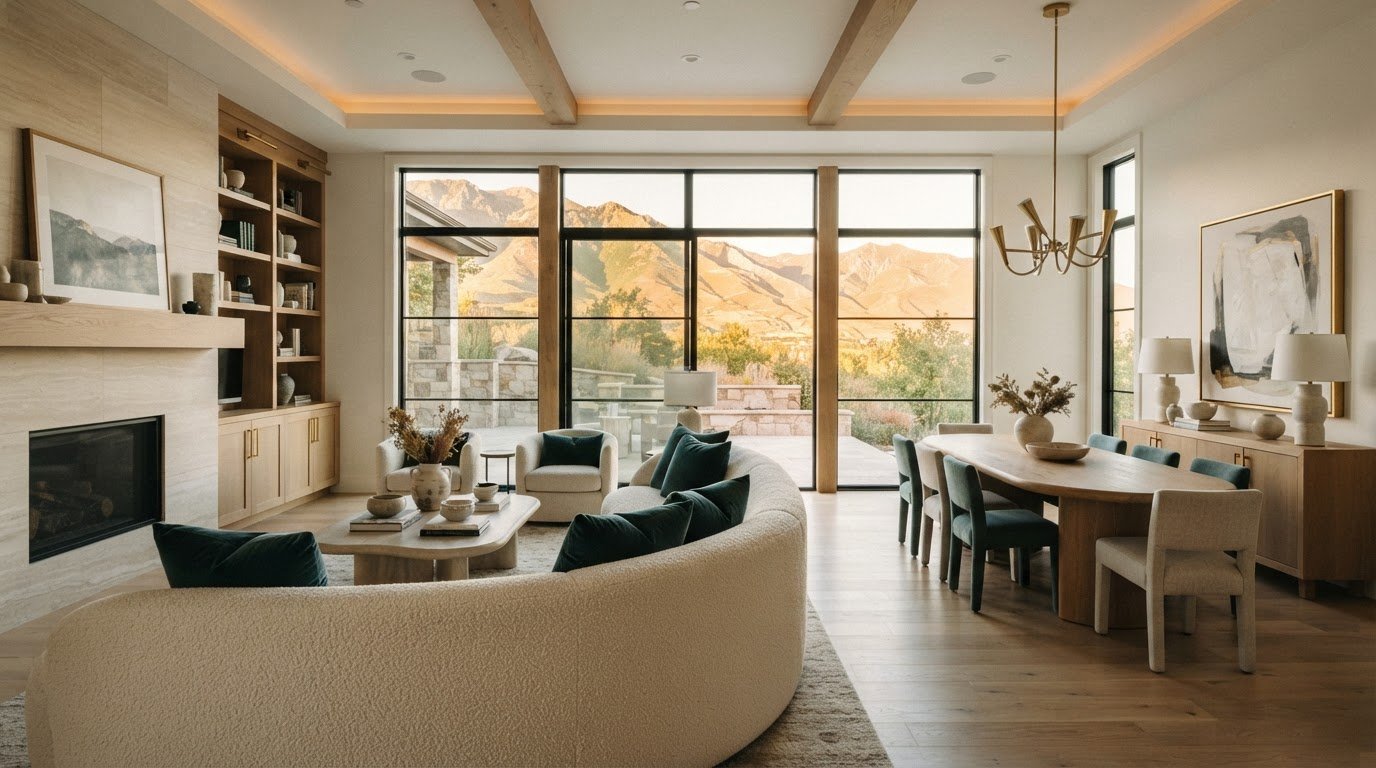
What makes a luxury home feel personal, comfortable, and right for the way you live? It is rarely one particular finish or style. The most compelling bountiful utah luxury home design starts with the residence and the people who inhabit it, bringing architecture, individual taste, and everyday routines into balance.
A thoughtful approach gives each decision a role in the larger vision. Space planning, materials, lighting, furnishings, and art should work together rather than compete for attention or feel like disconnected choices. Drawing on more than 30 years of interior design experience, Pianta Design connects the overall concept to the details that make a home feel lived in. This guide explains how to assess a design approach that responds to your home, lifestyle, and long-term vision, and how a clear concept can shape a calm, coherent interior that feels entirely yours.
Key Takeaways
- Clarify your household’s priorities before choosing finishes, so each design decision serves a purpose.
- Use space planning to organize circulation, privacy, gathering areas, and storage around everyday routines.
- Evaluate materials and features by how they will look, feel, and hold up in daily use.
- A cohesive bountiful utah luxury home design plan connects the concept, layout, finishes, furnishings, and oversight.
- Review the design process step by step to understand how ideas become a unified, personal interior.
Bountiful, Utah Luxury Home Design: Begin With the Home and the Life Within It
Luxury is not simply a level of finish. It is the feeling of a home where architecture, materials, and daily routines belong to the same vision. Thoughtful bountiful utah luxury home design starts with the specific residence and the people who live there, rather than a ready-made look. That distinction matters when decisions about layout, lighting, finishes, and furnishings could otherwise feel like separate choices competing for attention.
Residential luxury design brings beauty and everyday function into a considered relationship, so a home feels as effortless to live in as it is rewarding to see. This reflects the broader discipline of interior design, which considers how a space’s elements work together. A coherent interior does not require every room to match. Proportion, material character, and visual rhythm can create continuity while allowing each space to serve its purpose.
What makes a Bountiful home feel considered rather than simply expensive?
A considered room has a clear point of view. Furniture suits the room’s scale, finishes relate in tone and texture, and lighting supports both atmosphere and practical tasks. A natural material, for example, can add warmth to a restrained palette, while a carefully chosen piece of art can create a personal focal point. Details should respond to the household, whether that means comfortable places to gather, a quieter retreat, or storage integrated into the plan.
Intentional restraint often has more staying power than conspicuous finishes or purchases chosen only because they are current. Before adding statement pieces, decide what should feel calm, where visual emphasis belongs, and which materials suit everyday use and care routines. The result can feel distinctive without feeling overworked.
How should the home’s setting influence the design brief?
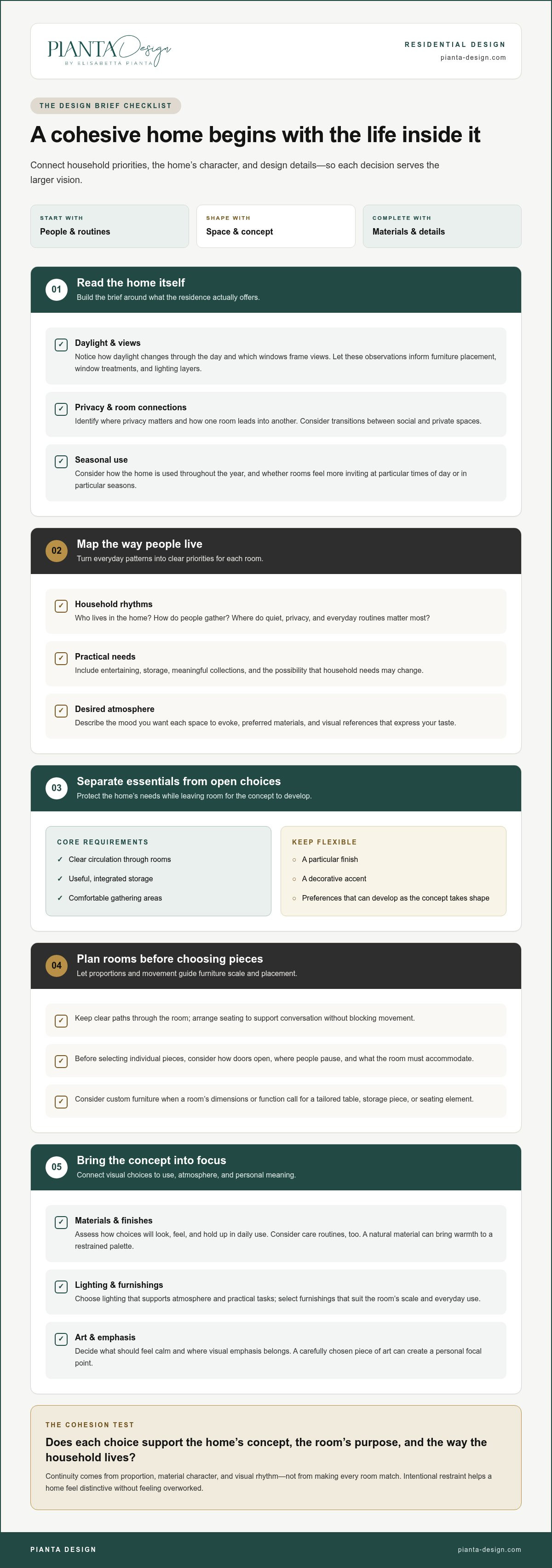
Begin with what the residence actually offers. Notice how daylight enters at different times, which windows frame views, where privacy matters, and how one room leads into another. These observations can guide furniture placement, window treatments, lighting layers, and transitions between social and private spaces. Avoid assuming that homes in the same city share the same conditions.
Seasonal comfort also belongs in the conversation. Consider how you use the home throughout the year and whether certain rooms feel more inviting at particular times of day or in particular seasons. These questions shape a brief around lived experience instead of assumptions about local conditions. For a wider perspective on tailoring interiors to architecture and lifestyle, explore residential interior design for elevated luxury living.
Bountiful Luxury Home Design: Build a Cohesive Vision From Layout to Detail
A cohesive interior develops through a sequence of connected decisions. Start with household priorities, then establish a design concept that gives those needs a clear visual direction. Space planning organizes rooms and movement; material and finish selection, lighting, furnishings, and art bring the concept into focus. In bountiful utah luxury home design, this sequence helps keep individual choices from becoming attractive but unrelated ideas.
A cohesive design brief gives every room a shared direction, so practical choices and aesthetic details reinforce one another across the home. The Framework for Design Excellence offers a useful reference for considering design as an integrated whole, including its relationship to well-being and the use of resources. Applied to a home, this way of thinking encourages decisions that feel connected and purposeful.
Which priorities belong in a luxury home design brief?
Start with the patterns of daily life: who lives in the home, how people gather, where quiet or privacy matters, and which routines shape the day. Include entertaining, storage needs, meaningful collections, and the possibility that household needs may change. Then connect these practical requirements to the desired atmosphere. Describe preferred materials, the moods you want each space to evoke, and visual references that express your taste.
Separate essentials from preferences that can develop. Clear circulation, useful storage, and comfortable gathering areas may be core requirements; a particular finish or decorative accent can remain open while the concept takes shape. This distinction preserves flexibility without losing sight of what the home needs to support.
How do space planning and furnishings work together?
Room proportions and circulation should guide furniture scale and placement. A layout needs clear paths through the room, while seating should support conversation without blocking movement. Before selecting individual pieces, consider how doors open, where people pause, and what the room must accommodate. These spatial relationships help a room feel natural to use, not just attractive in photographs.
Custom furniture design can respond to a room’s dimensions, function, and visual language. A tailored table, storage piece, or seating element can address a specific spatial need while contributing to the wider concept. Explore custom furniture design for luxury homes to learn how designed furnishings can complement a considered interior. To see how a connected residential design process brings these decisions together, visit Pianta Design’s residential design approach.
Can Bountiful Luxury Design Be Both Beautiful and Comfortable?
Yes. Refinement does not require a home to feel formal, fragile, or difficult to use. In thoughtful bountiful utah luxury home design, comfort is part of the aesthetic: a welcoming seat, useful light, and materials suited to the way a room is used can feel just as considered as a sculptural form or carefully composed palette. Assess each choice for both appearance and performance in its intended setting.
Use these pairings to bring practical questions into the design conversation early. No material is right for every household or room; suitability depends on use, care preferences, and the atmosphere you want to create.
- Quiet, pale surfaces: Do they suit the room’s use, and will their care needs fit your routines?
- Soft, tactile upholstery: Does the fabric feel inviting, and is its maintenance appropriate for the people and activities in the space?
- Expressive lighting: Does the fixture contribute to the room’s character while providing useful light for its tasks and different times of day?
- Statement furnishings: Does each piece support the way people gather and move, as well as the intended visual focus?
- Distinctive finishes: How will they relate to neighboring materials, and will the overall palette remain coherent as the home evolves?
How can homeowners balance timelessness with personal expression?
Timelessness comes less from repeating a trend than from getting proportion, comfort, and material relationships right. A room can feel current without relying on a look that defines its entire identity. Make room for personal expression through art, textiles, collected objects, or a memorable accent, then connect those choices through a considered palette and consistent design language. The result should tell a story about the people who live there, not simply reproduce a style reference.
Comfort also depends on details working together. Layered lighting can create a softer evening atmosphere while supporting reading or conversation. Furniture should invite the way a room is meant to be used, and finishes should be chosen with their visual character and care needs in mind.
What should the design preserve as the project evolves?
Keep returning to the essentials: clear circulation, comfortable use, thoughtful light, and a material palette that connects the rooms. If a new choice feels appealing on its own, consider how it fits the larger plan before introducing it. Coordinated decisions help prevent an individual finish, fixture, or furnishing from competing with the home’s overall character. For a closer look at the elements that shape an interior, explore the elements of interior design in luxury homes.
How to Evaluate a Luxury Home Design Plan in Bountiful
A strong plan should make the path from a broad vision to room-by-room decisions clear. For bountiful utah luxury home design, evaluate both the creative direction and the coordination behind it: how the home’s needs inform the concept, how plans translate that concept into usable spaces, and how design intent is carried through selection and implementation oversight.
A complete residential design plan coordinates household priorities, spatial planning, materials, lighting, furnishings, and art within one considered vision. Use this sequence to assess whether a plan gives you clarity at each stage:
- Clarify scope and priorities. Identify the rooms involved, the household’s needs, and the decisions the plan is meant to guide. Distinguish essential functional requirements from preferences that can be refined later.
- Review the concept. Look for a defined design direction that connects your goals to the home’s character. It should give you a basis for evaluating future choices, not just a collection of references.
- Examine space planning. Check whether the proposed layouts address circulation, room use, furniture placement, and the relationship between shared and private areas. Technical planning should support the desired atmosphere.
- Assess the visual and material development. Review how finishes, lighting, furnishings, and art relate to one another. Visual presentations and specifications can help you understand how selections contribute to the whole.
- Understand sourcing and oversight. See how selections are coordinated and how design intent is communicated during implementation. Interior design oversight supports the design plan; general contracting and construction labor are separate responsibilities.
Which design capabilities should a homeowner compare?
Consider how concept development, space planning, material and finish selection, lighting, custom furnishings, and art consultation connect. A plan is more coherent when these elements are considered together rather than as isolated decisions. Communication matters, too: you should be able to understand what is being presented, which decisions are needed, and how those choices relate to the agreed direction. Pianta Design brings these design disciplines together, with project management supporting continuity through implementation.
How can homeowners prepare for a productive design process?
Gather available floor plans, inspiration images, a list of household priorities, and notes about furnishings you hope to keep. Identify who will make decisions, then describe how the home needs to function during ordinary routines and gatherings. These details give the design process a useful starting point before individual finishes or furnishings are selected.
To learn how Pianta Design approaches residential interiors, explore the firm’s residential interior design services.
Bring Your Bountiful Luxury Home Design Vision to Life With Pianta Design
A personal interior takes shape when your priorities are translated into a clear concept and carried through each design decision. Pianta Design brings that connected perspective to bountiful utah luxury home design, aligning space planning, furnishings, materials, lighting, and art with the character of the home and the people who live in it.
Led by Principal Designer Maria Pianta, the firm draws on more than 30 years of interior design experience. Its work connects early concept development with space planning, custom furniture design, material and finish selection, and project oversight. Planning establishes how rooms function, furnishings respond to their scale and use, and considered finishes and lighting help carry a consistent atmosphere from one space to the next. Collaborations with Italian manufacturers bring an appreciation for distinctive craftsmanship to the design work.
What does an integrated design approach bring to a Bountiful home?
Integration helps prevent rooms from feeling like separate projects. A material palette can establish continuity, while lighting and furnishings give each room its own character and purpose. The aim is not to make every space identical, but to create a natural progression through the home, shaped by the household’s routines, preferences, and sense of comfort.
This approach also leaves room for personal expression. Art, meaningful objects, and custom furnishings can make the interior distinctly yours while remaining part of a larger design narrative. Rather than applying a formula, a thoughtful plan considers how the home should feel and function, then connects its details to that intention.
What is a thoughtful next step for your design vision?
Begin by reflecting on what you want to preserve, what you hope to change, and the atmosphere you want your home to hold. Note which spaces matter most, how you use them, and any furnishings or objects you would like to incorporate. These observations offer a grounded starting point for shaping a design direction around your priorities.
A design conversation can bring those ideas into focus, from the rooms you hope to transform to the feeling you want the finished interior to express. You do not need to arrive with every decision made. Start by establishing a shared understanding of the home and your vision before working through the details.
Begin your design journey with Pianta Design.
Shape a Home That Feels Like Yours
A lasting interior begins with a clear understanding of the home and the life unfolding within it. The strongest bountiful utah luxury home design connects thoughtful planning with materials, lighting, furnishings, and art, so beauty and everyday comfort support one another. A cohesive vision also helps each decision feel purposeful rather than like one more striking detail.
With more than 30 years of interior design experience, Pianta Design is led by Principal Designer Maria Pianta and brings a considered perspective to residential interiors. The firm has a Utah office and collaborates with Italian manufacturers, combining local presence with an appreciation for distinctive craftsmanship. From early concepts to coordinated design details, its process can shape an interior around your priorities and personal taste. Pianta Design works with clients in Park City, Salt Lake City, San Francisco, and Miami.
Reflect on how you want your home to feel and which spaces matter most. Begin your design journey with Pianta Design to start shaping a home that feels calm, enduring, and entirely your own.
Frequently Asked Questions
How do I choose a luxury home designer for a Bountiful, Utah home?
Choose a designer whose process connects your household’s priorities to a clear, coordinated plan. Review how they approach concept development, space planning, materials, lighting, furnishings, and project oversight, and look for communication that makes decisions easy to understand as they unfold. Pianta Design, led by Principal Designer Maria Pianta, brings more than 30 years of experience to residential interiors and works in Park City, Salt Lake City, San Francisco, and Miami.
What does a residential interior designer do for a luxury home?
A residential interior designer develops and coordinates the interior vision, from early concepts and space planning to finishes, lighting, furnishings, and art. The designer considers how rooms relate, how people move through them, and how details support daily life. Depending on the project, design oversight can also help carry the plan into implementation by coordinating design intent with the people responsible for the work. General contracting and construction labor are separate responsibilities.
Can luxury home design be both elegant and comfortable for everyday living?
Yes. Elegance and comfort can reinforce one another when choices reflect how the home is used. A well-planned room can feel composed while offering comfortable seating, useful lighting, and surfaces selected for its activities and care needs. In bountiful utah luxury home design, the right balance comes from considering the household and each space individually, rather than assuming refined materials or furnishings must be formal or difficult to live with.
How does an interior designer create a cohesive look throughout a home?
A designer creates cohesion by establishing a guiding concept and carrying it through connected decisions about layout, color, materials, lighting, furnishings, and art. Rooms do not need to look identical; a consistent palette or material language can create continuity while each space retains its own character. Reviewing selections in relation to the overall plan helps prevent isolated purchases from competing visually and keeps the home’s atmosphere aligned with the people who live there.
What should I prepare before starting a luxury home design project?
Gather available floor plans, inspiration images, notes about your household’s routines, and a list of furnishings or art you want to keep or incorporate. Consider how you use each space for quiet time, gathering, storage, and entertaining. It is also useful to identify decision-makers and distinguish essential needs from preferences that can evolve. You do not need every finish selected; a clear sense of priorities and desired atmosphere is a strong beginning.
Does luxury home design include custom furniture and material selection?
It can include both. Custom furniture design allows a piece to respond to a room’s dimensions, function, and broader concept, while material and finish selection coordinates surfaces and textures throughout the interior. Pianta Design incorporates these capabilities into residential design, alongside space planning, lighting design, and art consultation. Its collaborations with Italian manufacturers bring a focus on distinctive craftsmanship to selected project furnishings and materials.
How does Bountiful’s setting influence home interior design decisions?
Start with the conditions of the individual home rather than assumptions about the city. Consider window orientation and daylight, available views, privacy, transitions between rooms, and how spaces feel across seasons. These observations can inform furniture placement, window treatments, lighting, and material choices. A design plan should respond to what the residence actually offers and how you use it, connecting the interior to its setting without sacrificing comfort or personal character.
