
Yacht Interior Materials: The Ultimate Guide to Marine-Grade Luxury (2026)
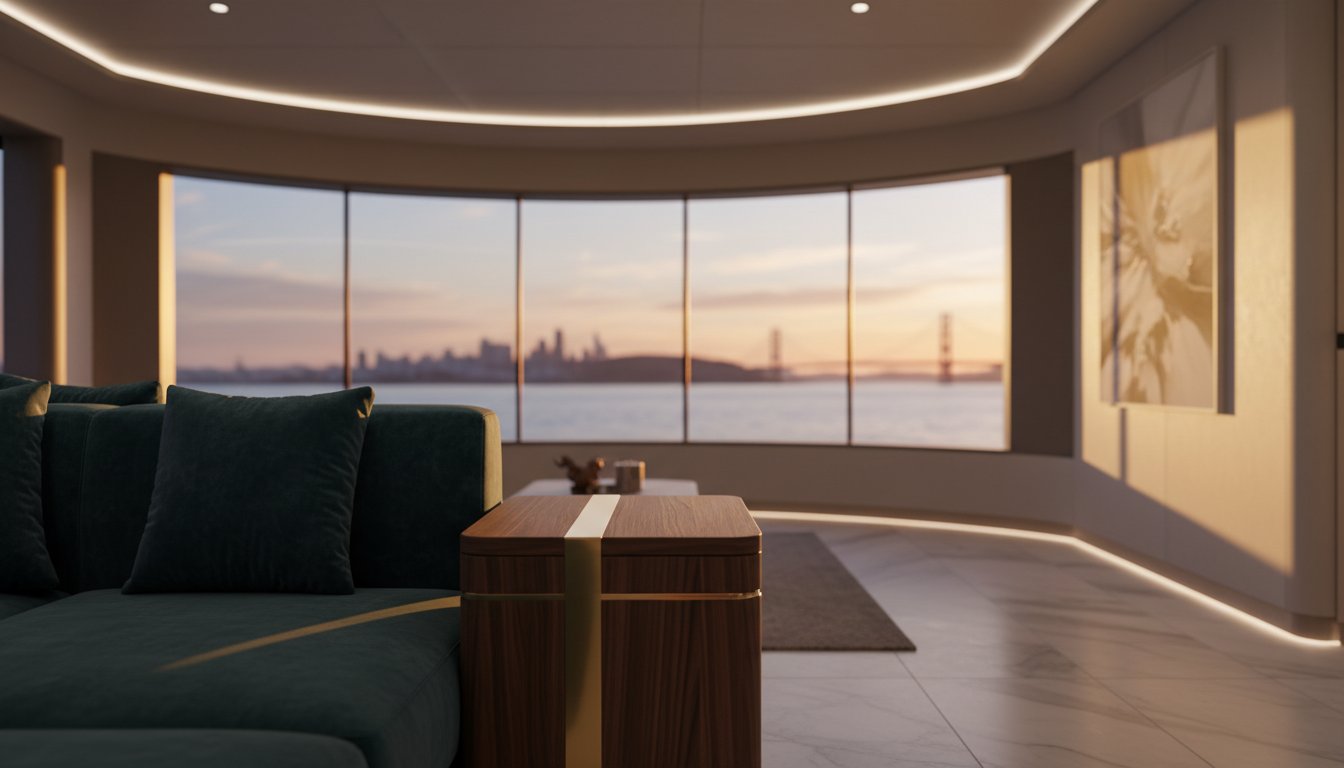
A single week of exposure to 40-degree Mediterranean sun can strip 12% of the pigment from standard luxury upholstery, turning a curated sanctuary into a faded memory. You shouldn't have to choose between the tactile soul of a Tuscan villa and the brutal realities of salt, moisture, and strict IMO safety regulations. Selecting the right yacht interior materials requires a delicate balance where engineering meets the art of living. It's about finding that elusive harmony between the weight restrictions of a high-performance hull and the visual weight of a prestige residence.
We believe your vessel is a floating home, a private retreat where every texture must whisper sophistication while resisting the silent creep of mold. This guide reveals the technical and aesthetic secrets behind 2026's most sophisticated marine finishes. You'll discover how to integrate ultra-lightweight Italian marble and high-performance textiles that maintain their deep luster through years of Atlantic crossings. We'll walk through the selection of low-maintenance, high-status materials that satisfy both international safety standards and the most discerning aesthetic eye.
Key Takeaways
- Understand the technical engineering required to protect your sanctuary from the unique challenges of salt, vibration, and UV exposure at sea.
- Explore a curated reference of high-performance yacht interior materials, including exotic hardwoods and solution-dyed textiles that bring residential softness to the high seas.
- Discover how to infuse your vessel with authentic Italian elegance by sourcing bespoke finishes and craftsmanship from the design capitals of Florence and Milan.
- Learn to tailor your material selection and maintenance strategy to specific geographic climates, ensuring longevity in environments ranging from tropical humidity to coastal fog.
- Master the collaborative process of bridging the gap between naval architecture and your personal vision for a seamless refit or new-build journey.
The Science of Selection: Why Yacht Interior Materials Differ from Residential Design
Designing a sanctuary on the water requires more than an eye for beauty; it demands a deep understanding of The Science of Selection. While a silk velvet sofa might thrive in a Milanese penthouse, the same material would succumb to salt air and high humidity within 90 days of offshore cruising. High-end yacht interior materials must endure a unique trifecta of stressors: relentless UV radiation, constant engine vibration, and the corrosive nature of saline environments. Choosing residential-grade finishes for a vessel often leads to catastrophic failure within a single season, as standard glues dissolve and fabrics lose their structural integrity.
Safety at sea is governed by rigorous engineering standards rather than mere aesthetics. Every textile, wall covering, and floor finish must comply with the International Maritime Organization (IMO) fire safety standards, specifically the FTP Code. These regulations mandate that 100% of exposed surfaces are flame-retardant and produce minimal smoke. It's this intersection of technical compliance and sensory luxury that defines the true art of marine design.
The Four Pillars of Marine-Grade Durability
True durability on a yacht isn't about bulk; it's about resilience. We focus on four critical areas to ensure longevity:
- UV Resistance: Direct sunlight reflected off the water increases UV intensity by 25%, requiring pigments that won't fade or "chalk" over time.
- Moisture Management: Marine environments maintain humidity levels often exceeding 80%; materials must be non-porous or treated to prevent mold and delamination.
- Vibration Dampening: Yachts operate at frequencies between 5 and 15 hertz; interior joinery requires flexible bonding agents to prevent audible creaking during transit.
- Corrosion Resistance: Only 316L stainless steel or specialized alloys can withstand the salt-heavy air without pitting or tarnishing within months.
Weight as a Design Constraint
Every gram added to an interior impacts the vessel's draft and fuel consumption. To maintain the Pianta ethos of uncompromising beauty, we utilize 20mm stone veneers bonded to aluminum honeycomb cores, reducing weight by 70% compared to solid slabs. This engineering allows for the inclusion of grand marble features without compromising the yacht's speed or stability. The weight-to-luxury ratio in modern yachting is the precise measurement of how much aesthetic opulence can be achieved while maintaining the vessel's optimal hydrodynamic performance.
Selecting yacht interior materials is an exercise in alchemy. It requires the designer to balance the tactile softness of a luxury home with the rugged performance of a naval vessel. When these elements align, the result is an interior that remains timeless, even in the face of the world's most demanding oceans.
Essential Materials for Luxury Yacht Interiors: A Curated Reference
Selecting the right yacht interior materials requires a sophisticated balance between strict weight constraints and uncompromising beauty. It's a technical dance where 80% of the weight budget often dictates the choice of substrate, yet the visible surface must evoke a sense of timeless indulgence. Designers no longer view the vessel as a mere boat but as a floating sanctuary where every texture tells a story of craftsmanship.
The Marine Wood Palette
Teak remains the undisputed foundation of nautical design due to its 30% natural oil content, which provides inherent resistance to the corrosive effects of salt air. However, modern aesthetics have expanded toward the deep, architectural tones of wenge and the shimmering, figured grain of sycamore. To maintain vessel performance, we've moved away from heavy solid planks. Instead, we utilize 1.2mm veneers bonded to aluminum honeycomb cores. This engineering feat reduces weight by nearly 65% compared to traditional joinery. New-age nanoceramic varnishes now offer a crystal-clear shield, protecting these delicate grains from the yellowing effect of UV rays for over 5,000 hours of direct exposure.
Luxury Textiles and Leathers
The tactile experience on a yacht must remain soft despite the harsh environment. Solution-dyed acrylics from industry leaders like Sunbrella and Perennials have replaced stiff canvases with weaves that mimic the hand-feel of raw silk. Because the pigment is integrated into the fiber core, these fabrics resist the 15% color loss typically seen after a single Mediterranean summer. For seating, we source marine-treated Italian leathers that utilize specific waxes to prevent salt-air cracking. Beneath these surfaces, closed-cell foam acts as an invisible hero; its non-porous structure ensures that cushions don't absorb moisture or harbor mildew, keeping the interior air fresh and the furniture lightweight.
Stones and Composites
Weight is the primary enemy of speed and stability. To achieve a grand residential look in the master suite or salon, we use 5mm book-matched marble veneers reinforced with carbon fiber backings. This allows for the visual drama of Calacatta or Onyx without the multi-ton burden of solid slabs. In high-traffic galleys, sintered stone has become the preferred choice, offering zero porosity and heat resistance up to 300 degrees Celsius. The latest trends in luxury yacht interiors highlight a growing interest in "tech-luxe" hybrids, such as carbon fiber accents integrated into cabinetry to provide a sharp, racing-inspired edge to softer textures. When we curate these elements at Pianta Design, we ensure that every material choice serves both the soul of the owner and the physics of the sea.
Sustainable Innovations
The industry is shifting toward a blue-economy mindset. Basalt fibers, derived from volcanic rock, are now used as a sustainable alternative to fiberglass, offering a 20% higher tensile strength. We also see the rise of high-end surfaces crafted from recycled ocean plastics, transformed into shimmering, terrazzo-like panels that prove luxury and environmental stewardship can coexist beautifully on the open water.
The Italian Influence: Elevating Marine Interiors with Bespoke Craftsmanship
Italian excellence in maritime design isn't merely a tradition; it's a global benchmark for quality. Manufacturers in regions like Tuscany and Lombardy currently produce roughly 85% of the world's high-end marine finishes. This dominance exists because Italian artisans have spent centuries perfecting the balance between aesthetic delicacy and the rugged durability required for life on the water. At Pianta Design, we call this the "Pianta Approach," where we source exclusive finishes directly from the workshops of Florence and Milan to ensure every texture tells a story of heritage.
The sensory experience defines the "Dolce Vita" at sea. It's the cool touch of a Calacatta marble countertop or the subtle scent of hand-treated Tuscan leather. Choosing the right yacht interior materials means looking beyond the surface. We prioritize finishes that respond beautifully to the unique, shifting light of the Mediterranean or the Caribbean. This commitment to artisanal techniques ensures that a vessel doesn't just look expensive; it feels deeply personal and harmoniously composed.
Sourcing Authentic Italian Materials
We maintain direct partnerships with 12 heritage mills in Northern Italy to secure custom-woven textiles. These fabrics are engineered to exceed 50,000 Martindale rubs, ensuring they withstand salt air while maintaining a soft, residential hand-feel. Our metalwork moves beyond standard chrome, utilizing small-batch foundries to create bespoke patinas on 316L stainless steel. For our US-based refits, we've optimized a 21-day logistics pipeline from Genoa to Florida. This allows us to deliver authentic Italian craftsmanship to domestic shipyards without the 6-month delays common in the luxury sector.
Custom Joinery and Architectural Details
Fitting luxury into the irregular geometry of a hull requires extreme technical precision. Italian cabinetry experts utilize 5-axis CNC technology to achieve a 0.2mm tolerance, ensuring that bespoke furniture follows the ship's lines with absolute accuracy. We often integrate hidden technology, such as invisible induction charging zones and silent motorized panels, directly into these hand-finished wood pieces. This fusion of old-world skill and new-world tech is a cornerstone of our work. You can see these principles in action by exploring

Regional Considerations: Designing for Miami’s Humidity vs. San Francisco’s Fog
Designing a vessel's soul requires a deep understanding of its home port. A yacht docked at the Dinner Key Marina in Coconut Grove experiences a vastly different environmental stressor than a boat moored in Sausalito. Geographic location dictates your material maintenance schedule with unforgiving precision. In tropical climates, 90% humidity levels can degrade standard adhesives within 24 months. Conversely, the high-salinity fog of Northern California accelerates oxidation on metallic accents by 30% compared to inland waterways. The environment isn't just a backdrop; it's an active participant in the life of the cabin.
South Florida demands a defense against relentless UV exposure and saturated air. We recommend heat-reflective surfaces for sun-drenched deck lounges. These specialized coatings can reduce surface temperatures by up to 15 degrees Celsius, protecting the physical comfort of guests and the longevity of the substrate. To preserve the integrity of yacht interior materials like delicate aniline leathers, advanced HVAC integration is non-negotiable. These systems must maintain a consistent 45% internal humidity to prevent the leather from expanding and contracting, which leads to premature cracking.
High-Performance Solutions for Miami and the Keys
In the tropics, the aesthetic must be backed by rigorous engineering. Every fabric selection should include a 3-year certified anti-fungal treatment to ensure the air remains as pristine as the design.
- Reflective Finishes: Utilizing nanotechnology to lower exterior upholstery temperatures for bare-skin comfort.
- Climate Control: Integrating dehumidification cycles that trigger automatically when ambient moisture exceeds 55%.
- Biocidal Textiles: Selecting fibers treated with silver-ion technology to repel spores in humid bilge areas.
Moisture Management for the Bay Area and Pacific Northwest
Selecting the right yacht interior materials for the Pacific Northwest means prioritizing thermal stability and light management. Breathable wall coverings are essential here; they allow for micro-ventilation, preventing condensation from becoming trapped behind panels where mold thrives in the dark. To counter the flat, grey light characteristic of the Bay Area, we select warm-toned woods like rift-sawn oak or cherry. These provide a necessary visual warmth that balances the cool external environment. For vessels in these high-salinity waters, 316L stainless steel is the only acceptable standard for hardware to prevent the tea staining that often occurs within 6 months of exposure.
At Pianta Design, our philosophy centers on harmonizing environmental demands with timeless elegance. Explore our bespoke yacht design services to discover the Pianta Design Philosophy: Elegance & Modernity in action.
Partnering with Pianta Design: From Material Concept to Maiden Voyage
Designing a vessel's interior requires more than an eye for beauty; it demands a rigorous understanding of maritime engineering. We act as the vital link between the visionary desires of the owner and the technical constraints of naval architects. Our team manages every detail of the yacht interior materials specification, ensuring that every silk panel or stone slab meets the strict weight and fire-safety standards of the shipyard. By the time the 2026 season arrives, your vessel won't just be a boat. It will be a floating masterpiece ready for its first journey.
Our project management style is rooted in precision. We oversee the entire lifecycle of the build, from the first sketch to the final installation. This hands-on approach eliminates the friction often found between design intent and shipyard execution. We speak the language of both the artist and the engineer, ensuring that luxury never compromises performance.
The Bespoke Material Selection Process
Our journey begins with immersive mood boards that define your signature maritime style. We don't just pick colors. We vet every fabric for UV resistance and salt-air durability. Pianta Design leverages 30 years of exclusive partnerships with Northern Italian artisans to source rare veneers and hand-loomed textiles. This procurement power ensures your project stays on schedule for a spring 2026 launch. We handle the logistics so the transition from raw yacht interior materials to finished cabins feels effortless. Each finish is selected to tell a story of timelessness and quality.
Full-Service Yacht Design in Miami and San Francisco
With studios in Miami and San Francisco, we provide on-site coordination with major US-based shipyards. Whether your refit is happening in South Florida or the Bay Area, our designers are present for every milestone. You can explore our previous work in Designing for the Sea: A Miami Yacht Project to see how we blend coastal aesthetics with high-performance finishes. We ensure the final reveal is a turnkey experience, where every cushion is placed and every surface is polished to a mirror shine. Your vision deserves a partner that understands the nuances of the water. Schedule a consultation for your 2026 yacht refit and let's begin the curation of your next legacy vessel.
Set Sail Toward a New Standard of Maritime Sophistication
Selecting the right yacht interior materials for 2026 requires a delicate balance between technical endurance and sensory delight. You've discovered how Miami's high humidity demands different textile specifications than the salt-heavy fogs of San Francisco. True luxury isn't just about appearance; it's about the heritage found in direct partnerships with elite Italian manufacturers who've perfected their craft over generations. Pianta Design brings 30+ years of luxury interior expertise to your vessel, ensuring every surface reflects a "design as a lifestyle" philosophy. We bridge the gap between engineering precision and the soulful "dolce vita" aesthetic. Your sanctuary on the water deserves a signature that withstands the elements while cradling you in comfort. We specialize in navigating the unique requirements of both the Miami and Bay Area marine markets, providing a seamless transition from material concept to your maiden voyage. It's time to transform your vision into a maritime masterpiece that feels as timeless as the ocean itself.
Start Your Bespoke Yacht Interior Journey with Pianta Design
Frequently Asked Questions
What are the best materials for yacht upholstery to prevent mold?
Solution-dyed acrylic fabrics like Sunbrella or Perennials are the most effective materials for preventing mold in maritime environments. These textiles are 100% synthetic, which means they don't provide the organic food source that fungi and mildew require to thrive. When you pair these fabrics with open-cell reticulated foam, 90% of water passes through the cushion instantly. This combination ensures your seating remains dry and hygienic even in high-humidity zones.
How do you balance luxury marble with yacht weight restrictions?
You can achieve a grand aesthetic by using 5mm stone veneers bonded to aluminum honeycomb backings. This engineering technique reduces the weight of a standard 2cm marble slab by 70%, allowing for expansive stone surfaces without compromising the vessel's buoyancy or speed. Leading shipyards like Lürssen frequently utilize these lightweight composites to meet strict stability requirements. It's a perfect marriage of geological beauty and maritime precision that preserves the vessel's performance.
Is real leather suitable for a yacht interior in Miami?
Real leather is a superb choice for Miami yachts if you select hides treated with UV-protective finishes and anti-fungal agents. Marine-grade leathers from suppliers like Moore & Giles are designed to withstand 500 hours of direct Florida sunlight without cracking or fading. While synthetic alternatives exist, nothing matches the breathability and cooling touch of genuine hide during a 90 degree July afternoon. Regular conditioning every 3 months ensures the material remains supple against the salt air.
What does IMO certification mean for yacht interior materials?
IMO certification refers to the fire safety standards established by the International Maritime Organization to ensure all yacht interior materials are flame retardant. For vessels over 500 gross tons, materials must pass the FTP Code Part 8 tests for upholstered furniture and Part 7 for draperies. This rigorous testing involves exposing fabrics to a 40mm flame for 20 seconds to ensure they don't propagate fire. Safety is the foundation upon which true luxury and peace of mind are built.
How often should yacht interior woods be refinished in San Francisco?
In the damp, foggy climate of San Francisco where humidity averages 75%, you should plan to refinish interior woods every 3 to 4 years. Areas near companionways or large windows face higher moisture levels and require more frequent attention than secluded cabins. Using high-solids varnishes provides a thicker protective barrier against the Pacific's salt-heavy air. Consistent maintenance preserves the deep luster of your mahogany or teak, preventing the graying that occurs from moisture ingress.
Can I use residential furniture on my yacht?
You shouldn't use standard residential furniture because it lacks the internal structural reinforcement and sea-fastening hardware required for maritime safety. Yacht-specific pieces are engineered with weighted bases or hidden bolt-down points to ensure they don't shift during 5-foot swells. Additionally, residential items often lack the fire-retardant chemicals required by maritime insurance policies. Custom-built furniture ensures your aesthetic vision remains intact while meeting the 100% stability requirement for open-water transit.
What are the most sustainable material options for modern superyachts?
Modern superyachts are turning to Econyl regenerated nylon and FSC-certified woods to reduce their environmental footprint. Econyl, made from recycled fishing nets, reduces the global warming impact of flooring by 90% compared to traditional nylon. You might also consider rapidly renewable cork, which provides natural acoustic insulation and thermal resistance. These choices prove that a commitment to the planet can coexist with the highest levels of yacht interior materials and design.
How much does a custom yacht interior material refit cost?
A comprehensive material refit typically ranges from $2,500 to $5,000 per square meter for high-end finishes. If you're seeking bespoke artistry or rare exotic stones, costs can easily exceed $10,000 per square meter. This investment covers the specialized labor required for marine installations and the procurement of certified, high-performance yacht interior materials. For a 30-meter yacht, a full interior refresh often starts at a baseline of $400,000 to ensure a truly timeless and durable result.
