
Custom vs. Retail Furniture for a Luxury Home: The Definitive 2026 Guide
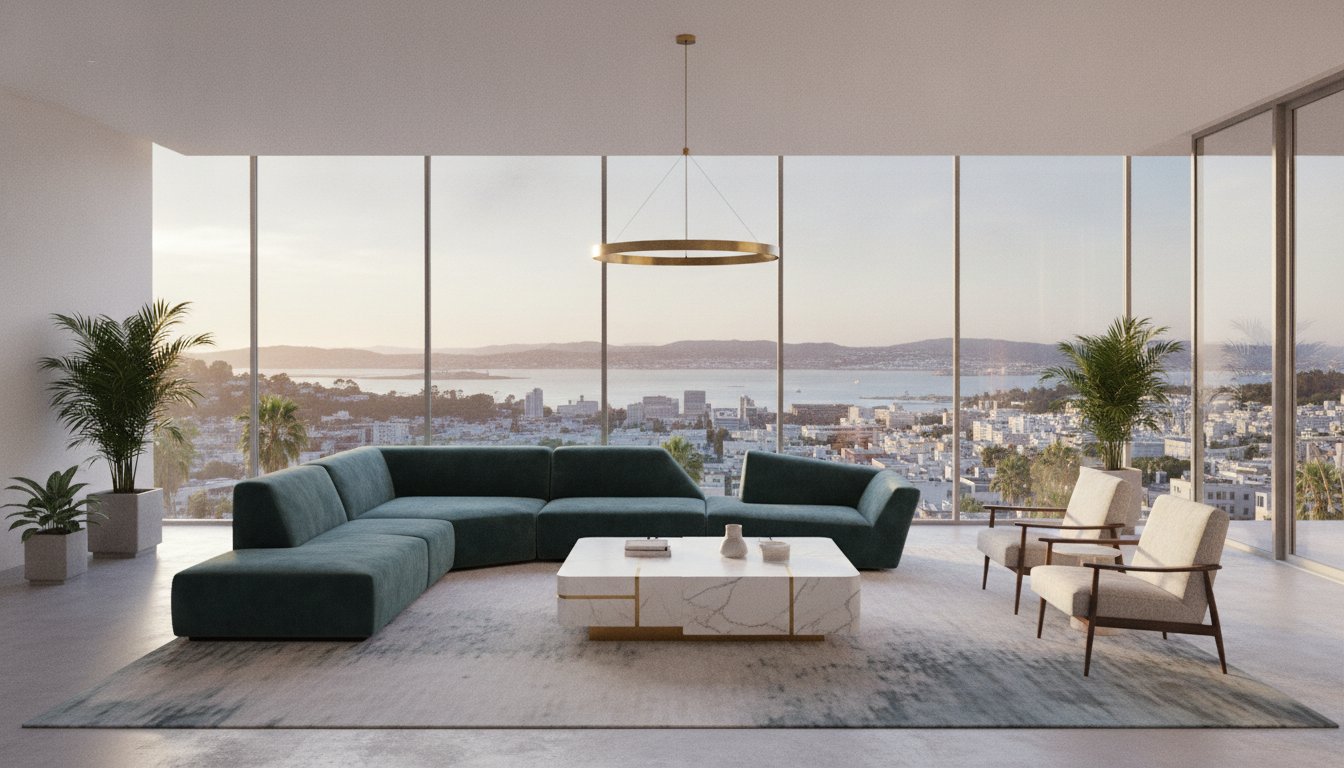
Your home should be a reflection of your unique personal history, yet many high-end interiors end up feeling like a static page from a generic furniture catalog. It's a common frustration to invest deeply in a space only to find it lacks that elusive, soulful character that defines true luxury. When weighing the choice between custom vs retail furniture for a luxury home, the goal isn't just to fill a room, but to orchestrate an environment that feels both intentional and timeless.
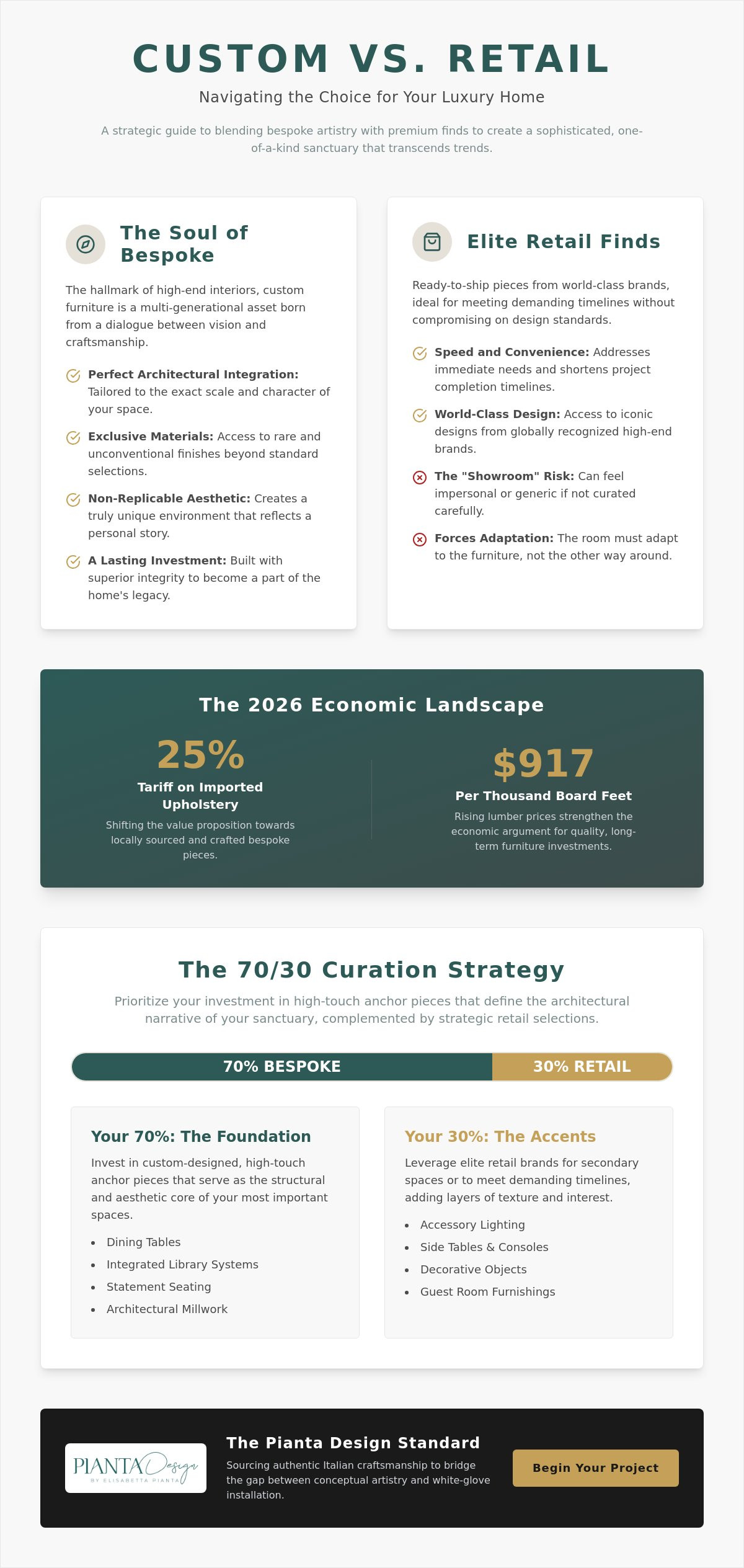
We understand the hesitation that comes with this process. You're likely balancing the desire for bespoke artistry against the reality of 2026, where 25% tariffs on imported upholstery and rising lumber prices have shifted the value landscape. This guide will show you how to strategically blend one-of-a-kind commissions with premium retail finds to create a sophisticated, one-of-a-kind sanctuary. You'll discover where to invest for maximum impact, how to avoid the "showroom" trap, and how to navigate lead times for a seamless transformation that prioritizes both your time and your aesthetic vision.
Key Takeaways
- Learn how bespoke furniture elevates a residence through perfect scale and the use of rare, unconventional materials that mass-market luxury cannot replicate.
- Master the strategic balance of custom vs retail furniture for a luxury home to avoid a generic showroom aesthetic while maintaining a high level of sophistication.
- Discover how to leverage elite retail brands to meet demanding timelines for secondary spaces without compromising on world-class design standards.
- Implement the 70/30 curation strategy to prioritize your investment in high-touch anchor pieces that define the architectural narrative of your sanctuary.
- Explore the professional process of sourcing authentic Italian craftsmanship to bridge the gap between conceptual artistry and white-glove installation.
Custom vs. Retail Furniture: Navigating the Choice for Your Luxury Home
Creating a residence that transcends the ordinary requires a deliberate orchestration of every element within its walls. At the heart of this process lies a fundamental decision: the balance between custom vs retail furniture for a luxury home. Custom furniture is far more than a simple order; it represents bespoke artistry designed specifically for a unique space and a particular lifestyle. These pieces are born from a dialogue between the architect's vision and the artisan's hand. In contrast, retail furniture consists of ready-to-ship items from high-end consumer brands. While these pieces often boast world-class design, they are created for a broad audience rather than a specific architectural context.
This choice is critical for the long-term character and resale value of premium properties. A home furnished entirely with "off-the-shelf" items, no matter how expensive the labels, can feel like a transient showroom rather than a curated sanctuary. In 2026, personalization has emerged as the ultimate luxury. Discerning homeowners now seek environments that cannot be replicated. With the current 25% tariff on imported upholstered furniture and rising lumber prices, which reached $916.62 per thousand board feet in April 2026, the economic argument for investing in locally crafted, bespoke pieces has never been stronger. Quality is no longer just an aesthetic choice; it's a strategic financial decision.
The Evolution of the Bespoke Interior
The definition of luxury has shifted away from recognizable logos toward "unique stories." A bespoke interior uses custom pieces to solve spatial puzzles that retail items simply cannot address. Whether it's a dining table that mirrors the curve of a panoramic window or a library system integrated into the structural columns, custom design ensures a non-replicable aesthetic. High-end retail often fails to meet the rigorous standards of modern architecture because it forces the room to adapt to the furniture, rather than the furniture serving the room.
Understanding the Investment Horizon
Retail furniture offers the allure of short-term convenience and immediate gratification. It's an excellent solution for secondary spaces where speed is a priority. However, custom furniture acts as a multi-generational asset. These pieces are built with a level of technical precision and material integrity that allows them to age gracefully, becoming part of the home's legacy. Bespoke furniture is an architectural intervention that resolves the dialogue between form and function within a specific spatial context. By prioritizing custom work for anchor pieces, you ensure your home remains a timeless reflection of your personal aesthetic rather than a collection of passing trends.
The Soul of Bespoke: Why Custom Furniture Design is the Hallmark of High-End Interiors
Bespoke furniture represents the silent language of a room. It speaks of intentionality and a deep reverence for the architectural envelope. While the debate of custom vs retail furniture for a luxury home often centers on lead times or cost, the true distinction lies in the "soul" of the piece. A bespoke creation carries the weight of master craftsmanship and the preservation of heritage techniques that mass production simply cannot mirror. It's the difference between a house that contains objects and a home that breathes through them. Every curve and every joint is a testament to an artisan's dedication to quality.
Architectural Integration and Space Planning
A custom piece functions as a deliberate extension of the home's floor plan. Consider the challenge of a sprawling Park City mountain lodge with a grand, vaulted dining hall. A standard retail table would be swallowed by the volume of the space, appearing disconnected and frail. By commissioning a 20-foot dining table carved from reclaimed alpine timber, the furniture becomes a structural anchor. This level of custom furniture design allows us to harmonize freestanding elements with permanent millwork, ensuring every sightline is preserved and every proportion feels inevitable.
Material Exclusivity: Beyond the Standard Swatch
Retail luxury often limits you to a curated but ultimately finite selection of finishes. Bespoke design breaks these boundaries. It grants access to "To the Trade" textiles from historic mills in Italy and France that aren't available to the general public. We can source rare slabs of honed travertine or exotic Macassar ebony to match the specific wood grains of your interior architecture. This tactile richness creates a sensory experience that defines modern sophistication. Whether it's the cool touch of a hand-finished metal inlay or the depth of a custom-pigmented lacquer, these details elevate a room from a beautiful space to a non-replicable masterpiece. If you're ready to explore how these elements can transform your environment, our team specializes in professional interior architecture that honors your unique vision.
Beyond aesthetics, custom work solves the modern dilemma of technology. We can integrate subtle LED lighting directly into a headboard or hide complex audio-visual wiring within the core of a marble console. This seamless fusion of tech and art ensures that the functional requirements of 2026 don't disrupt the visual serenity of your sanctuary. It's about creating a space that works for you without showing the effort. When choosing between custom vs retail furniture for a luxury home, remember that custom solutions provide the invisible infrastructure that makes a high-end lifestyle effortless.
Retail and Trade Alternatives: When Speed and Trend Align with Luxury
While bespoke commissions provide the architectural soul of a residence, high-end retail and trade-only collections offer a different kind of brilliance: the intersection of immediate availability and iconic design. Choosing between custom vs retail furniture for a luxury home isn't a binary decision based on quality alone. Instead, it's a strategic move to balance lead times with aesthetic goals. Brands like B&B Italia or Minotti represent the pinnacle of industrial design, offering pieces that are celebrated in museums yet ready to ship in a fraction of the time required for a custom build. For guest suites, secondary lounges, or "fast-turn" projects, these ready-made icons provide a level of sophistication that feels both current and curated.
The most significant advantage of the retail path is the tactile certainty it provides. In an era where 2026 average prices for premium sofas start at $2,500 and quickly climb, the ability to physically experience the ergonomics of a chair in a San Francisco or Miami showroom is invaluable. While Augmented Reality (AR) visualization has revolutionized the industry, leading to a 60% reduction in returns, nothing replaces the feeling of hand-finished leather or the weight of a solid marble pedestal before it enters your sanctuary. Retail is often the ideal choice for occasional chairs, side tables, and decorative lighting—pieces that function as the "jewelry" of a room rather than its structural foundation.
The High-End Retail Landscape in 2026
Distinguishing between "mass-premium" and "authentic luxury" is essential for maintaining the integrity of a high-end interior. Mass-premium brands often rely on recognizable trends, whereas authentic luxury retail focuses on timeless silhouettes and superior material longevity. However, retail always carries the limitation of fixed dimensions. If a sofa is two inches too long for a specific alcove, there's no room for adjustment. This is where the dialogue of custom vs retail furniture for a luxury home becomes a matter of precision versus convenience. You're trading the perfect fit for a shorter procurement window.
Trade-Only Sourcing: The Middle Ground
For those seeking exclusivity without the 6-12 month wait for a full custom commission, "To the Trade" manufacturers offer a sophisticated middle ground. These collections aren't found in local malls or through a standard Google search; they're accessible only through professional designers. Trade-only pieces occupy a higher quality tier than consumer retail, often utilizing superior internal framing and higher-density foams that ensure the piece retains its form for decades. This sourcing route allows homeowners to access limited-edition fabrics and finishes that remain invisible to the mass market, preserving that sense of unique discovery that defines a truly premium lifestyle.
Strategic Curation: How to Balance Bespoke Artistry with Curated Retail Pieces
Sophistication in a modern residence doesn't arise from a single source but from the tension between bespoke artistry and curated selection. Successfully balancing custom vs retail furniture for a luxury home requires a disciplined approach to curation. We often advocate for the 70/30 rule. This philosophy suggests that 70% of a room's visual weight should be anchored by custom commissions, while the remaining 30% consists of high-end retail accents. This ratio ensures the space feels permanent and purposeful, avoiding the transient atmosphere of a showroom. By investing in custom work for "anchor" pieces, you establish an architectural narrative that retail items can then complement and soften.
Prioritizing high-touch surfaces for custom work is essential for a tactile luxury experience. Items that you interact with daily, such as dining tables or primary beds, deserve the material integrity of bespoke design. These are the pieces that define the home's longevity. Conversely, retail sourcing is ideal for items that follow shorter trend cycles, such as area rugs, side tables, or decorative accessories. This strategic split allows for a home that feels both grounded in tradition and effortlessly current. For a holistic view of how these elements integrate into a complete home vision, refer to our guide on residential interior design.
A Room-by-Room Sourcing Strategy
In the living room, a custom-proportioned sectional provides the necessary scale to anchor the space, while a pair of designer retail lounge chairs adds a layer of recognized design history. The dining room should almost always center on a bespoke table; it's the heart of the home's social dialogue. In the bedroom, custom-upholstered headboards and integrated nightstands create a seamless, hotel-like serenity that retail sets can't replicate. This approach ensures that every room has a unique focal point while maintaining a cohesive aesthetic language throughout the property. If you're ready to begin this journey, connect with our design team to explore your home's potential.
Managing Lead Times and Logistics
Phasing the procurement process allows the custom pieces to be commissioned at the project's inception, while retail items are secured closer to the final styling phase. A professional interior designer acts as the conductor of this complex symphony, managing split-shipment logistics and white-glove warehousing. This high-level coordination ensures that different sourcing tiers arrive in a synchronized manner. Efficient project management transforms the inevitable wait time into a period of anticipation, ensuring every element arrives in perfect harmony for the final reveal.
The Pianta Design Standard: Sourcing Italian Craftsmanship for One-of-a-Kind Spaces
Pianta Design has spent three decades refining the art of the bespoke interior, building a legacy on the strength of elite partnerships with Italian manufacturers. When you weigh the merits of custom vs retail furniture for a luxury home, the true value of the custom path is found in the depth of these relationships. We don't simply select items; we co-create them with artisans who have spent generations perfecting their craft. Our presence in Miami, San Francisco, and Park City ensures that our local expertise is always backed by a global perspective, bringing the world's finest materials directly into your sanctuary. This 30-year history allows us to bypass the limitations of the mass market, offering our clients access to a level of quality that's often invisible to the public eye.
Our approach treats custom furniture as a fundamental component of full-service interior architecture. It's not an afterthought added to a finished room, but a structural element that's considered from the very first conceptual sketch. The "Pianta Process" is a journey of technical precision and artistic discovery. We translate your personal aesthetic into detailed manufacturing drawings, ensuring that every joint, finish, and proportion aligns with the broader architectural narrative. This meticulous planning is what allows us to deliver a home that feels entirely cohesive, where the furniture and the walls exist in a state of perfect, silent dialogue.
The Italian Connection: Why Craftsmanship Matters
There's a profound difference between "made in Italy" and "Italian-inspired." Authentic Italian craftsmanship involves a commitment to heritage-grade materials and sustainable sourcing that retail brands often sacrifice for scale. We collaborate with European artisans who utilize non-toxic finishes and reclaimed, noble woods to create pieces that are as healthy for your environment as they are beautiful. By translating your vision into precise technical specifications, we ensure that the final piece is a perfect physical manifestation of your intent. It's about preserving a cultural legacy of quality while meeting the functional demands of a modern, premium lifestyle.
Elevating Your Lifestyle with Pianta
The emotional ROI of a bespoke home is immeasurable. There's a unique sense of peace that comes from living in a space where every object was designed specifically for your comfort and your history. Our comprehensive procurement services manage the entire lifecycle of these pieces, from navigating international customs to coordinating white-glove installation. We handle the logistical complexities so you can focus on the experience of your new environment. A home should be more than a collection of expensive objects; it should be a non-replicable sanctuary that enhances your daily well-being. Begin your bespoke journey with Pianta Design today.
Defining Your Architectural Legacy
The journey to a truly unique residence requires a masterful hand to navigate the nuances of custom vs retail furniture for a luxury home. By prioritizing bespoke commissions for your home's structural anchors and utilizing premium retail for curated accents, you create a space that feels both established and contemporary. This strategic orchestration ensures that your environment transcends the limitations of a showroom; it evolves instead into a non-replicable sanctuary that reflects your personal history and aesthetic values.
Pianta Design brings over 30 years of luxury design experience to every project, offering exclusive partnerships with elite Italian manufacturers to source heritage-grade materials. From the initial conceptual sketches to the final white-glove installation, our full-service project management ensures a seamless transition from vision to reality. Elevate your home with bespoke Italian craftsmanship, schedule a consultation with Pianta Design. Your vision deserves the precision of an expert hand and the soul of authentic artistry. We look forward to helping you craft a home that inspires you every day.
Frequently Asked Questions
What is the typical lead time for custom furniture in 2026?
Lead times for bespoke commissions typically range from 16 to 24 weeks, though complex Italian imports can extend to 32 weeks. These timelines reflect the meticulous nature of hand-finishing and the current global logistics environment. While high-end retail offers immediate speed, the wait for custom work ensures a piece is engineered specifically for your home's unique environmental conditions and architectural scale.
Is custom furniture more expensive than high-end retail like Restoration Hardware?
Custom furniture often represents a higher initial investment than premium retail brands. This price difference covers individual engineering, superior internal framing materials, and the elimination of the "showroom markup" found on mass-produced items. When evaluating custom vs retail furniture for a luxury home, it's helpful to view bespoke pieces as multi-generational assets rather than trend-driven consumables that require replacement every few years.
Can I customize retail furniture to better fit my home?
Most high-end retail brands offer limited "made-to-order" options, such as selecting a fabric from a pre-approved swatch book. However, true customization, like altering frame dimensions, changing wood species, or modifying internal ergonomics, is rarely possible in a retail model. Retail is designed for manufacturing efficiency, whereas custom design allows for complete architectural integration without the compromise of fixed dimensions.
What are the best rooms in a luxury home to prioritize for custom furniture?
Prioritize "anchor" spaces like the dining room and the primary suite for bespoke investments. A custom dining table serves as the home's social heart, while integrated bedroom millwork creates a serene, hotel-like atmosphere that retail sets can't replicate. These high-touch surfaces benefit most from the tactile richness and perfect proportions that only custom vs retail furniture for a luxury home can provide.
How does an interior designer help with custom furniture procurement?
An interior designer acts as a technical liaison between the client and the manufacturer. They manage everything from the translation of conceptual sketches into technical shop drawings to the complexities of international customs and white-glove delivery. This oversight ensures that the original aesthetic intent is preserved through every stage of the manufacturing and installation process, mitigating the stress of procurement.
Is custom furniture a good investment for home resale value?
Custom furniture significantly enhances a home's perceived value by creating a cohesive, non-replicable environment that feels permanent. Prospective buyers of luxury properties often seek "turnkey" interiors that feature integrated millwork and bespoke pieces designed specifically for the architecture. These elements suggest a level of care and sophistication that generic retail furnishings cannot match, often commanding a higher market premium.
What is the difference between bespoke and semi-custom furniture?
Bespoke furniture is a ground-up creation with zero limitations on form, material, or function. Semi-custom furniture starts with a pre-existing retail frame that allows for minor adjustments to finishes or upholstery. While semi-custom is often faster, only bespoke design offers the architectural precision and material exclusivity required for a truly one-of-a-kind residence that reflects your personal history.
How do I maintain custom-made furniture to ensure it lasts generations?
Maintaining bespoke pieces requires a commitment to the specific noble materials used, such as periodic waxing for solid hardwoods or professional cleaning for "To the Trade" textiles. Because custom furniture utilizes superior joinery and high-density materials, it's inherently more durable than mass-produced alternatives. Proper care ensures these pieces remain functional and beautiful, allowing them to age gracefully as part of your home's legacy.
