
The Master Class of Interior Lighting Design: A Luxury Perspective for 2026
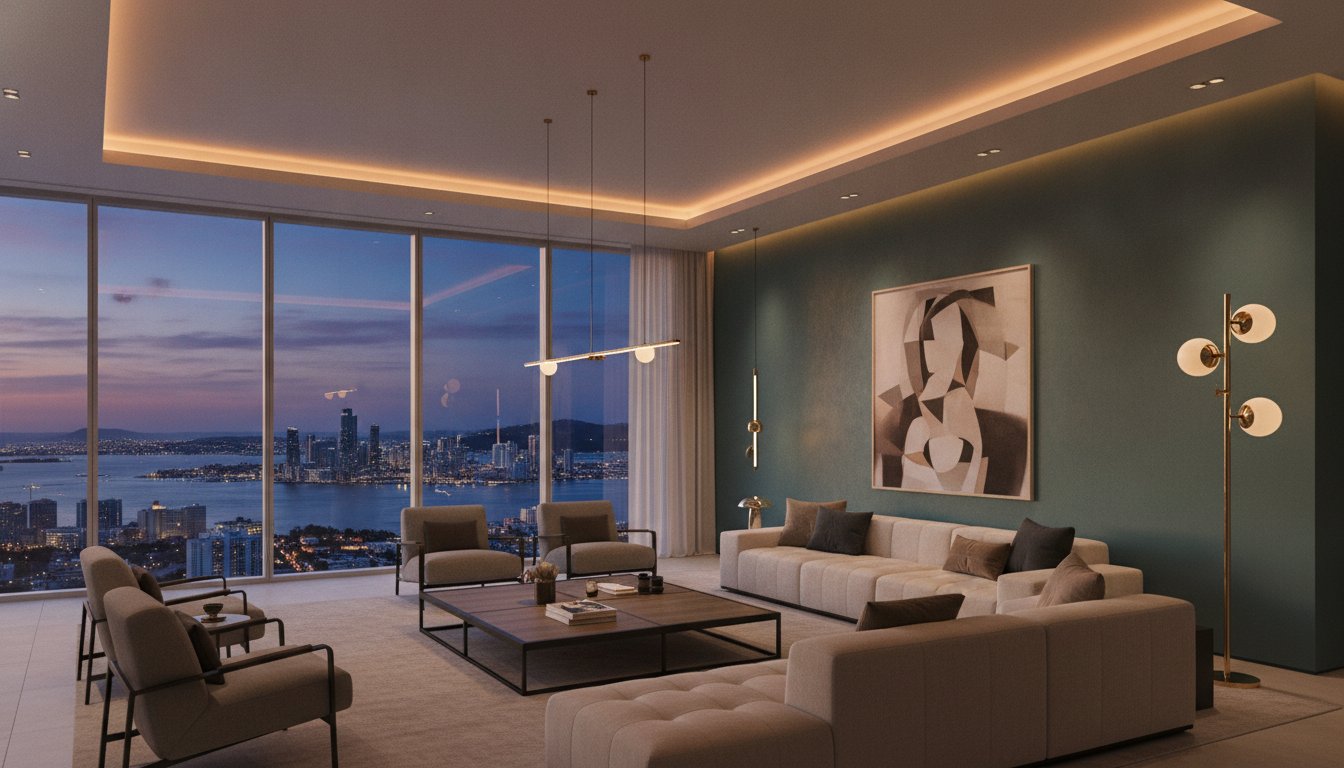
Did you know that nearly half of high-end designers warn that inadequate lighting can actually devalue your most expensive interior finishes? You've likely felt that subtle disconnect when a room filled with bespoke furniture and rare materials still feels inexplicably cold or static. It's a common frustration for those who find themselves overwhelmed by the rapid shifts in smart home technology or struggle to properly illuminate a cherished art collection. Without the right balance of shadow and brilliance, even the most intentional spaces fail to achieve their full emotional potential.
This guide explores how architectural lighting design for luxury homes functions as the invisible architecture of your environment, turning a house into a warm, curated sanctuary. We'll examine the 2026 trends in human-centric illumination and the technical precision of Italian craftsmanship that define today's most prestigious residences, commercial spaces, and yachts. You'll learn how a professional approach creates a seamless harmony between aesthetics and modern functionality, ensuring your home isn't just seen, but truly felt, while measurably increasing your property's long-term value.
Key Takeaways
- Learn how to move beyond basic illumination to treat light as "invisible architecture" that prevents premium materials from feeling flat or cold.
- Discover the fundamental layers of architectural lighting design for luxury homes and how they work in harmony to create depth across great rooms and master suites.
- Understand the critical role of material selection, from hand-blown Murano glass to brass, in achieving superior light diffusion and aesthetic longevity.
- Explore the latest 2026 smart technology integrations, including DALI and Matter-compatible systems, to ensure your home's infrastructure is as sophisticated as its design.
- Gain insight into the professional drafting and 3D visualization process that allows you to experience the final atmosphere before construction even begins.
Illuminating the Soul of a Space: Why Lighting Design Matters
Architectural lighting is the deliberate orchestration of light to enhance the structural beauty and emotional resonance of a residence. It isn't an afterthought or a simple selection of fixtures from a catalog; rather, it's a technical discipline that bridges the gap between construction and interior art. When we discuss Architectural lighting design, we're looking at the nuanced interplay between natural daylight and artificial sources to define how a space breathes. Without this strategic layer, even the most expensive environments can suffer from the "Flat Room" phenomenon. This occurs when poor illumination washes out the texture of hand-carved stone or dulls the richness of bespoke velvet, effectively devaluing your significant investment in premium materials and furniture.
Lighting serves as the final, essential layer that completes a designer's vision. It acts as the connective tissue between the furniture, the finishes, and the people who inhabit the space. Beyond pure aesthetics, architectural lighting design for luxury homes focuses on the psychological well-being of the residents. By aligning artificial light with natural circadian rhythms, we can foster a sense of calm and order that transcends simple visibility, ensuring the environment supports your daily energy levels and nightly rest.
The Emotional Resonance of Light
A home should evolve as the day progresses. In the morning, crisp and cool tones can energize a workspace, but as the sun sets, the environment must soften to provide sanctuary. True Golden Hour warmth is achieved by mimicking the sun's descent, typically dropping to a rich 2200K to 2700K color temperature, which triggers the body's natural relaxation response. Within these shifts, the role of shadow is paramount. Instead of flooding a room with light, we use intentional darkness to create depth and architectural drama, highlighting a sculpture or a textured wall while allowing the rest of the room to recede into a gentle, inviting glow.
Beyond the 'Big Light': The Pitfalls of Modern Construction
Standard construction often relies on utility rather than experience. This frequently results in the "Swiss cheese" effect, where ceilings are cluttered with rows of aggressive recessed cans that ruin clean architectural lines and distract the eye. Such over-illumination creates a sterile environment where the visual hierarchy is lost; if every corner is equally bright, the eye has nowhere to rest and the room feels devoid of character. Moving toward architectural lighting design for luxury homes means abandoning the "big light" in favor of layered, experiential solutions. This approach ensures that light is placed exactly where it's needed, preserving the integrity of the architecture while creating a sophisticated, curated atmosphere that feels both personal and profound.
The Four Layers of Professional Lighting Design
True sophistication in a residence is achieved through a meticulous composition of light rather than a singular source of brightness. Mastering architectural lighting design for luxury homes requires an understanding of the four fundamental layers that work in concert to create a balanced, high-end environment. When these layers are properly orchestrated, the room feels alive and multidimensional, responding to the specific needs of the moment while maintaining its aesthetic integrity.
- Ambient Lighting: This serves as the foundation, providing a soft wash of general illumination that allows for safe navigation without the harshness of direct glare.
- Task Lighting: Precision is the priority here. We focus intensity on areas requiring visual acuity, such as culinary stations in a kitchen, dressing rooms, or a leather-topped desk in a home office.
- Accent Lighting: This is the storyteller's layer. It directs the eye to architectural details, textures, or prized possessions, creating the visual hierarchy essential for a curated feel.
- Decorative Lighting: Often referred to as the jewelry of the room, these fixtures are chosen for their aesthetic impact, acting as a focal point while contributing to the overall glow.
Integrating these lighting design techniques ensures that a room feels dynamic rather than static. By treating light as a medium similar to paint or fabric, we can sculpt the atmosphere of a space to suit its purpose.
Architectural Integration and Cove Lighting
A hallmark of modern luxury is the "invisible" light source. We use cove lighting to define ceiling heights and boundaries, creating an ethereal glow that seems to emanate from the structure itself. This technique is particularly effective in coffered ceilings or along wall washes to emphasize vertical scale and texture. By integrating miniature LED channels into custom furniture design, we can illuminate shelving or bespoke cabinetry from within. This provides a seamless look that avoids the clutter of visible fixtures, allowing the craftsmanship of the millwork to take center stage.
The Art of Highlighting Fine Art
Preserving a valuable collection requires more than just visibility; it requires protection and precision. We utilize UV-free LED technology to ensure that pigments and delicate canvases remain protected from thermal degradation over time. Selecting the correct beam angle is vital. A narrow 10 degree spot might highlight a small sculpture, while a wider 36 degree flood is better suited for large scale paintings. For a truly immersive effect, framing projectors can be used to "crop" the light exactly to the edges of a piece, making the art appear as if it is glowing from within. If you are beginning a new project, a professional lighting design consultation can ensure your collection is showcased with this level of technical mastery.
Sourcing Excellence: Italian Craftsmanship and 2026 Technology
Luxury is often found in the details that remain unspoken, yet are deeply felt. The physical vessel of a light source is just as critical as the illumination itself, acting as a sculptural anchor within a room. Integrating architectural lighting design for luxury homes into a high-end project requires a deep understanding of global procurement and material science. Our methodology relies on over 30 years of design experience and direct partnerships with elite Italian manufacturers. This access allows us to source bespoke fixtures that aren't available through traditional retail channels, ensuring that your home features unique elements that reflect a truly international aesthetic.
The Legacy of Italian Lighting Design
The history of Italian glasswork, particularly the traditions of Murano, continues to define modern luxury interiors. These artisans understand that the way light interacts with hand-blown glass or solid brass creates a warmth that mass-produced replicas simply cannot achieve. We facilitate the creation of these one-of-a-kind pieces as a core component of our residential interior design services. Whether it's a grand foyer chandelier or intimate sconces for a master suite, authentic craftsmanship ensures superior light diffusion. Natural materials like alabaster and hand-poured metals possess a soul and a weight that ground a space, providing an enduring quality that outlasts fleeting design trends.
Smart Systems and Circadian Programming
In the modern estate, technology should be sophisticated yet invisible. The 2026 landscape of smart home integration has shifted toward universal compatibility, with systems now utilizing DALI and Matter-compatible protocols for seamless control. According to recent insights from design pros on home lighting, the focus has moved beyond simple dimming to complex scene-setting that supports our natural biology. We program automated transitions that subtly adjust color temperatures throughout the day, moving from a crisp, energizing morning light to a deep, amber glow in the evening. This level of architectural lighting design for luxury homes eliminates the need for cluttered banks of wall switches, replacing them with elegant, intuitive keypads that preserve the purity of your interior architecture.
Sustainability in 2026 doesn't require a compromise on beauty. With LED technology projected to hold over 60% of the market share this year, we prioritize high-efficiency sources that maintain a high Color Rendering Index (CRI). This ensures that the vibrant colors of your art collection and the rich textures of your custom furniture are rendered with absolute fidelity. By combining these technical advancements with timeless Italian artistry, we create environments that are both ecologically responsible and visually breathtaking.

Curating Light Across the Modern Estate and Yacht
Every environment presents a unique set of architectural challenges that require a tailored approach to illumination. When implementing architectural lighting design for luxury homes, the challenge often lies in managing the sheer scale of the architecture. In a Great Room with soaring ceilings and an open-concept floor plan, the goal is to balance massive volume with intimate warmth. We achieve this by layering light at different heights, ensuring that the upper reaches of the room feel connected to the living areas below. By using soft uplighting on architectural beams and discreetly placed accents, we prevent the space from feeling like a cavernous hall, instead creating a sanctuary that feels both grand and inviting.
Yacht interiors require an entirely different set of technical skills, particularly for our projects in Miami. Space is at a premium; ceiling heights are often lower, and the presence of highly reflective surfaces like polished wood and glass can lead to distracting glare. We prioritize integrated architectural solutions that tuck light sources away, using the surfaces themselves to bounce and soften the glow. This specialized approach to architectural lighting design for luxury homes and vessels ensures that the interior feels expansive and serene, even when surrounded by the high-contrast environment of the open sea. For those transitioning between land and sea, our expertise in Yacht Interior Design provides a cohesive aesthetic across every property in your portfolio.
In the Master Suite, the focus shifts toward the ultimate luxury: rest. We design these spaces as restorative retreats, utilizing low-level night-path lighting that is motion-activated and set to a very warm color temperature. This allows for safe navigation during the night without disrupting the body's sleep cycle. Similarly, our work in commercial interior design leverages these same principles to enhance brand identity and productivity, ensuring that every professional environment we touch feels as curated and intentional as a private residence.
Kitchens and Wine Cellars: Precision Meets Style
The kitchen is the functional heart of the estate, requiring high-intensity task lighting that doesn't sacrifice elegance. We use under-cabinet LEDs and toe-kick lighting to provide safety and depth, carefully choosing beam angles to avoid clinical glare on polished stone countertops. In custom wine cellars, the requirements are even more stringent. We utilize temperature-neutral lighting that protects the integrity of the collection while providing a high Color Rendering Index (CRI) to showcase the labels with absolute clarity. This ensures the cellar serves as both a high-performance storage facility and a stunning visual gallery.
Outdoor and Landscape Illumination
A truly cohesive design doesn't end at the glass door. We extend the interior aesthetic to the terrace, pool, and gardens to create a seamless transition between indoor and outdoor living. In our California and Florida estates, we often employ moonlighting techniques, placing fixtures high within the canopy of trees to cast a natural, ethereal glow across the grounds. This creates a sense of depth and security while avoiding the harsh, upward-facing lights that contribute to light pollution. By carefully illuminating paths and architectural features of the landscape, we ensure the property remains a masterpiece of light long after the sun has set.
The Pianta Design Approach to Bespoke Illumination
The most successful projects begin long before the first wire is pulled. True architectural lighting design for luxury homes is a collaborative effort that requires early integration with architects and general contractors. By entering the conversation during the conceptual phase, we ensure that the lighting infrastructure is woven into the very bones of the building. This prevents the common mistake of trying to "fix" a space with lamps after the walls are closed. When we work as a unified team, we can hide drivers, recess channels, and create the "invisible" effects that define modern luxury.
Our process utilizes advanced technical drafting and 3D visualization. We allow you to see the interplay of light and shadow on your specific finishes before any construction begins. It's a level of precision that removes the guesswork from luxury design. An expert interior designer doesn't just select a chandelier; they choreograph how light will move through the home, ensuring every corner serves the overall narrative of the space. This technical foundation is what allows the artistic vision to shine without compromise.
The final phase of our approach is commissioning. Once the fixtures are installed, we perform on-site aiming and scene-setting. We fine-tune every beam angle to highlight the texture of your walls or the center of a dining table. We then program the smart home scenes to ensure your move-in experience is flawless, with every light level set to its perfect, evocative state.
Project Management and Technical Oversight
Execution is where many high-end visions falter. We provide comprehensive technical oversight to ensure the electrical contractor executes our plans with millimeter precision. This includes managing the complex logistics of importing bespoke Italian fixtures to your site, whether in San Francisco, Miami, or Park City. By providing a detailed professional lighting schedule, we avoid the costly delays and mid-construction changes that often plague large-scale estates. Our 30 years of experience allow us to anticipate technical challenges before they arise, keeping the project on track and within the desired aesthetic parameters.
Start Your Bespoke Journey
Illumination is the soul of the home. If your current environment feels uninspired or if you are planning a new build, we invite you to evaluate the potential of your space. Selecting from the top interior design firms is a decision that impacts your daily well-being and property value for decades. We bring a world-class perspective to every project, ensuring your architectural lighting design for luxury homes is as unique as your lifestyle.
Contact Pianta Design for a Lighting Consultation and discover how we can transform your residence into a masterpiece of light.
Crafting Your Legacy in Light
Elevating a residence from a mere structure to an immersive sanctuary requires a deep understanding of how light interacts with the human spirit. We've explored how the strategic layering of illumination prevents the "Flat Room" effect and how 2026's smart technology can support your natural biological rhythms. By sourcing bespoke fixtures through our direct Italian manufacturing partnerships, you ensure your environment possesses a soul that mass-market solutions simply cannot replicate. These elements work in harmony to turn your architecture into a living, breathing experience.
Investing in architectural lighting design for luxury homes is ultimately an investment in your daily quality of life and the long-term value of your estate. With over 30 years of high-end design expertise across residential, commercial, and yacht interiors, Pianta Design brings a world-class perspective to every detail of your project. Whether you're navigating the complexities of a new build or refining the display of a cherished art collection, our team provides the technical precision and artistic vision necessary for a flawless result.
Schedule your luxury lighting consultation with Pianta Design today to begin the process of defining your space through the transformative power of light. Your home deserves an atmosphere that is as intentional and refined as the life you lead within it.
Frequently Asked Questions
What is the difference between an interior designer and a lighting designer?
An interior designer focuses on the holistic composition of a space, including furniture, layout, and finishes. A lighting designer is a technical specialist dedicated to the physics and distribution of light. While an interior designer selects the aesthetic fixtures, a lighting designer calculates lux levels and beam angles to ensure the architecture is correctly rendered. Architectural lighting design for luxury homes often requires both professionals to collaborate so that the beauty of the furniture is matched by technical precision.
What is CRI and why does it matter for luxury interiors?
CRI, or Color Rendering Index, measures how accurately a light source reveals the true colors of objects compared to natural sunlight. In luxury interiors, a high CRI of 90 or above is essential to ensure that the rich pigments in your fine art and the natural grains of exotic wood finishes appear vibrant and authentic. Lower CRI sources can make expensive materials look muddy or grey, stripping the space of its intended warmth and character.
How many light sources should a luxury living room have?
A luxury living room should typically feature between five and eight distinct light sources to achieve proper layering. This isn't about total brightness, but about creating depth through ambient, task, accent, and decorative layers. By using a mix of recessed architectural spots, floor lamps, and perimeter cove lighting, you can adjust the mood for different occasions. This variety prevents the room from feeling static and allows for a more curated, residential atmosphere.
Can smart lighting be integrated into older, historic homes in San Francisco?
Smart lighting can definitely be integrated into historic San Francisco residences without compromising original plasterwork or architectural integrity. Modern wireless systems, such as those compatible with Lutron or Matter, allow for sophisticated control without the need for invasive rewiring. This approach preserves the heritage of the home while providing the modern luxury of automated scenes and circadian programming. It's a perfect marriage of old world charm and 2026 technology.
What is the best color temperature (Kelvin) for a residential home?
The ideal color temperature for most luxury residential environments falls between 2700K and 3000K. A 2700K source provides a traditional, candle-like warmth that's perfect for intimate dining and relaxation. Conversely, 3000K offers a slightly crisper, more modern feel that works well in kitchens and galleries. For the ultimate experience, we recommend tunable white systems that shift from a bright 3500K during the day to a soft 2200K as the sun sets.
How do I light a room with very high ceilings without it feeling cold?
To prevent high ceilings from feeling cold, you must bring the light down to the human scale while softly illuminating the upper architecture. Using uplights on beams or cove lighting along the perimeter creates a warm glow that defines the ceiling's height without leaving it in darkness. Adding mid-level sources, such as large-scale pendants or wall sconces, helps bridge the gap between the floor and the ceiling, making the volume feel intentional and cozy.
What are the specific challenges of yacht lighting design?
Yacht lighting faces unique challenges such as limited ceiling heights, constant vibration, and highly reflective surfaces like polished mahogany or the surrounding water. Fixtures must be marine-grade and often require specialized DC power integration. We focus on low-profile architectural sources and indirect lighting techniques to minimize glare on glass and screens. This ensures the interior feels spacious and serene, providing a seamless transition from the bright deck to the intimate cabin.
Is it worth investing in custom Italian lighting fixtures?
Investing in custom Italian lighting is worthwhile because of the unparalleled quality of materials and artisan craftsmanship. Unlike mass-produced fixtures, authentic Italian pieces often feature hand-blown glass and noble metals that provide superior light diffusion and aesthetic longevity. These fixtures act as functional art, serving as central design anchors that elevate the entire home. When you consider architectural lighting design for luxury homes, these bespoke elements become the defining signature of a truly exclusive environment.
