
Luxury Master Suite Design Ideas: 7 Elements of Bespoke Elegance
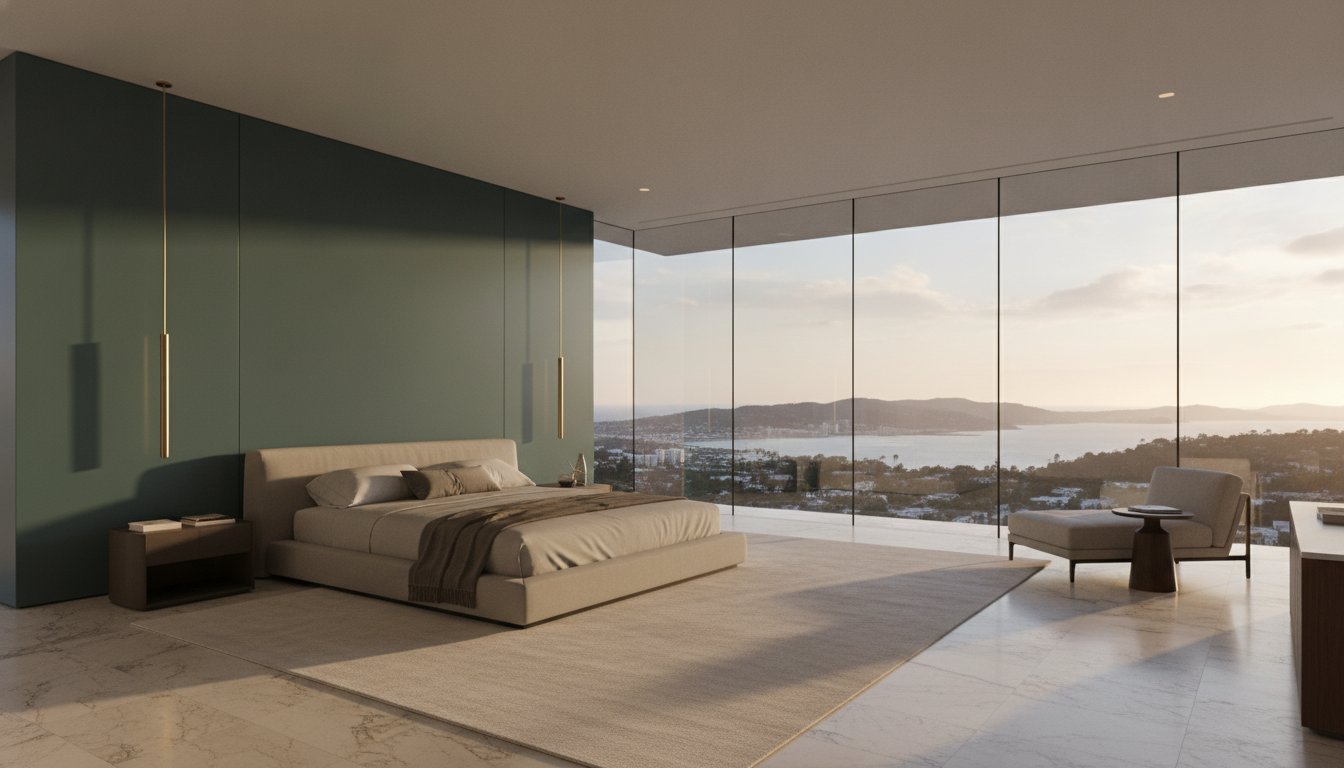
What if the most exquisite materials in your home are actually the ones quietly undermining your sense of tranquility? It's a common realization for those who find that a collection of expensive items doesn't always translate into a cohesive, restful environment. You likely recognize that true elegance isn't about how much you spend, but how intentionally you curate the space where your day begins and ends. Finding the right luxury master suite design ideas often feels overwhelming when you're caught between fleeting trends and the desire for a timeless sanctuary that reflects your personal narrative.
You deserve a home that functions as a masterfully composed retreat, free from the noise of the outside world. This article will help you master the fundamental principles of high-end interior architecture, giving you the professional vocabulary to articulate your vision to design experts with confidence. We'll examine seven essential elements of bespoke elegance, from the precision of custom Italian craftsmanship to the delicate balance of light and texture. By the end, you'll have a clear framework to evaluate and execute a suite that embodies sophisticated, enduring luxury.
Key Takeaways
- Master the art of "negative space" to ensure your private sanctuary feels expansive and intentional rather than cluttered.
- Learn how structural lines and organic forms work together to guide the eye toward curated focal points and panoramic views.
- Discover how to layer tactile and visual textures to bring depth and a multi-sensory dimension to your luxury master suite design ideas.
- Gain a professional vocabulary to discuss the interplay of light and color psychology with interior architecture experts.
- Understand the designer's role in synthesizing bespoke elements into a singular, cohesive narrative of timeless elegance.
The Architecture of the Suite: Defining Luxury Through Space
Space is far more than a simple measurement of square footage; it's a three-dimensional volume that dictates how you breathe and move within your private sanctuary. In the world of high-end design, we view the master suite as a sculptural entity where the manipulation of air and light is just as vital as the selection of materials. When exploring luxury master suite design ideas, the focus must shift from basic floor plans to the intentional management of volume. This distinction separates a standard bedroom from a suite that feels truly expansive and resonant.
While a 2D floor plan outlines where the bed sits, true interior architecture determines how the ceiling height interacts with floor-to-ceiling windows to frame a sunrise. Understanding foundational Interior design principles allows us to transform a room into a multi-sensory experience. This approach adapts to its environment. In Miami, spatial volume often expands toward the horizon, using glass to erase boundaries between the interior and the ocean. Conversely, in a Park City mountain retreat, luxury is defined by a sense of enclosure and protection, where massive timber volumes and stone hearths create a grounded, intimate sanctuary.
Positive vs. Negative Space in High-End Living
We use custom furniture as positive anchors to define circulation paths and give the room its functional identity. These pieces aren't merely objects; they're spatial markers that guide your movement through the suite. The luxury of "negative space," the seemingly empty areas between these anchors, is a hallmark of sophisticated design. It allows the eye to rest and emphasizes architectural features or a curated art collection. In expansive master estates, negative space acts as a silent curator, preventing visual clutter by ensuring that every architectural detail and bespoke furnishing has the room it needs to be fully appreciated.
Zoning for Multi-Functional Luxury
A master suite shouldn't feel like one large, undifferentiated box. Instead, it should function as a series of intimate "rooms within rooms" for lounging, dressing, and sleeping. We use bespoke cabinetry and custom furniture design to define these spatial boundaries without the need for traditional walls. This maintains an open, airy feel while providing the privacy and functionality required for a premium lifestyle. This level of precision is particularly critical in yacht interior design, where every cubic inch must be optimized for both technical performance and aesthetic elegance, ensuring that even the most compact master cabin feels like a grand suite.
Structural Poetry: The Interplay of Line and Form in Design
Lines are the invisible threads that weave the visual narrative of a room. They act as a silent conductor, directing your gaze toward breathtaking floor-to-ceiling views or a singular piece of fine art. While spatial volume provides the canvas, lines and forms provide the structure. When considering luxury master suite design ideas, it's essential to understand how these elements influence your psychological state. A well-placed line can evoke a sense of soaring ambition or grounded peace, depending entirely on its orientation and execution. It's the difference between a room that feels scattered and one that feels deeply intentional.
Vertical, Horizontal, and Dynamic Lines
Vertical lines evoke a sense of grandeur and strength. In San Francisco urban lofts, we often use them to accentuate soaring ceiling heights, creating a feeling of spiritual uplift. Horizontal lines, by contrast, suggest a feeling of grounded tranquility and rest. This is particularly effective in coastal Miami master suites, where the design echoes the long, flat horizon of the Atlantic. Dynamic diagonal lines add a layer of sophisticated energy. You might see this in a custom-designed staircase or intricate ceiling details that break the monotony of right angles. These lines don't just exist; they move the spirit.
Bespoke Forms and Italian Craftsmanship
Form represents the transition from two-dimensional lines to three-dimensional reality. It's the physical manifestation of your vision. There's a profound distinction between generic retail shapes and the intentionality of custom furniture design. Bespoke forms serve as the "sculptural jewelry" of a master suite. These pieces, often born from exclusive collaborations with Italian manufacturers, provide a level of detail that mass-produced items simply cannot replicate. When you integrate unique luxury master suite design ideas, you're choosing forms that are curated specifically for your lifestyle.
Integrating architectural forms like soft arches or bold columns adds a sense of permanence and history to a modern space. These structural elements work best when balanced with organic, natural shapes. A hand-carved stone hearth or a curved velvet chaise softens the precision of man-made geometry. Following professional luxury interior design tips involves this delicate dance between the rigid and the fluid. It's this harmony that creates a space that feels both curated and comfortable. If you're ready to explore how these structural elements can redefine your home, consider how bespoke interior architecture can transform your private retreat into a work of art.
Sensory Layers: The Sophistication of Texture and Pattern
True luxury is an experience that engages every sense, transcending the purely visual to embrace the tactile. While the previous sections explored the structural bones of a room, texture and pattern provide its emotional skin. In a private retreat, the physical "feel" of a space is paramount. It's the cool touch of honed marble against bare feet or the weight of a cashmere throw. When curating luxury master suite design ideas, we prioritize the interplay between visual texture, which is what you perceive, and tactile texture, which is what you actually touch. This duality creates a layered, sophisticated environment that feels as good as it looks.
The success of these sensory layers depends heavily on professional material and finish selection. It's a meticulous process of balancing sheen, grain, and weave to ensure harmony. For inspiration, one can look at award-winning luxury master suite designs that demonstrate how diverse materials can coexist without competition. This isn't about adding more elements; it's about the precision of their relationship. A room should tell a story through its surfaces, inviting you to linger and explore. It's the subtle details that define the highest level of craftsmanship.
The Tactile Luxury of High-End Materials
We often use contrasting textures to create a sense of depth and history. In a Park City mountain volume, this might manifest as the juxtaposition of smooth, hand-applied Venetian plaster against the rugged, honest grain of reclaimed wood. These contrasts highlight the unique qualities of each material. We source exclusive mohair, artisanal silks, and premium leathers through long-standing relationships with Italian manufacturers. These noble materials don't just furnish a room. They elevate it into a multi-sensory sanctuary that responds to your presence. The quality of the material is felt long before it's identified.
Pattern as a Visual Narrative
Pattern serves as a storytelling device, adding rhythm and cultural resonance to the suite. It helps define the scale and proportion of larger rooms, preventing them from feeling cavernous. The art of pattern mixing requires a disciplined hand. We combine subtle geometric weaves with more organic motifs to create a visual flow that doesn't overwhelm the senses of the sleeper. In Miami, we might incorporate refined nautical motifs or tropical abstractions that reflect the local environment, grounding the suite in its specific geographic context. This thoughtful application of pattern ensures the space feels both timeless and deeply personal.

Atmosphere and Emotion: The Power of Light and Color
Light isn't just a utility; it's the invisible architect that validates every other design choice in your sanctuary. Without the correct illumination, even the most expensive Italian marble or bespoke silk wallpaper loses its depth and vibrancy. When developing luxury master suite design ideas, we treat light as a fundamental component of the interior architecture. It has the power to expand a room or make it feel intimately cocooned. Every shadow and highlight is a deliberate choice made to enhance your emotional connection to the space.
The quality of natural light varies significantly across different geographic regions, and a professional design must respond to these nuances. In San Francisco, the light often carries a cool, ethereal quality that requires warmer interior tones to balance the atmosphere. In Miami, the sun is vibrant and high-contrast, necessitating a palette that can withstand such intensity without feeling washed out. By understanding these variations, we ensure your suite feels harmonious with its surroundings, regardless of the time of day or the season.
Sculpting with Light: Ambient, Task, and Accent
Effective lighting design involves layering three distinct types of illumination to create a sense of depth. Ambient light provides the overall glow, task light offers precision for reading or dressing, and accent light highlights your curated art collections or architectural details. Modern luxury also demands the integration of smart, circadian systems that mimic the natural progression of daylight. These systems improve sleep quality and well-being by adjusting the light temperature throughout the day. A sophisticated lighting scheme effortlessly transforms a suite from a bright, invigorating sanctuary at dawn to a moody, intimate retreat at dusk.
Sophisticated Color Palettes for Timeless Suites
When evaluating luxury master suite design ideas, our approach to color is rooted in the belief that a palette should be both timeless and evocative. We often balance sophisticated neutrals, such as soft taupes, warm mushrooms, and elegant sands, with bold, modern sensibilities that reflect your specific personality. This creates a lasting appeal that transcends fleeting trends. It's also vital to consider how light temperature changes the perception of color; a shade that looks perfect in the morning might shift dramatically under artificial evening light.
We use color as a thread to unify the master bedroom with the ensuite bathroom and dressing area. This creates a seamless transition that enhances the sense of space and flow throughout the entire suite. Every hue is chosen to support a specific emotional resonance, whether it's the calming serenity of a spa-like bath or the focused elegance of a walk-in wardrobe. If you're ready to see how professional illumination can redefine your home, explore our lighting design services to begin your transformation.
Mastering the Synthesis: The Pianta Design Approach
Synthesis is the final, most critical stage of the creative process. It's the moment where individual elements of light, form, and texture lose their independence to become a singular, evocative narrative of your personal lifestyle. Achieving this requires more than just an eye for beauty; it demands the technical rigor of a full-service interior designer who understands how to weave these threads into a cohesive whole. With 30+ years of industry experience, our approach focuses on the surgical manipulation of space to ensure that every luxury master suite design ideas we implement feels inevitable rather than forced.
There's a profound difference between decorating a bedroom and designing a legacy master suite. Decorating often focuses on the surface, the final layer of aesthetics that can be easily changed. Designing a legacy suite involves the fundamental interior architecture of the home. It requires professional project management to maintain design integrity from the initial concept to the final build. This oversight ensures that the structural poetry we've discussed isn't lost during the complexities of construction. Professional procurement is also essential, as it provides access to the world's most exclusive materials and Italian artisans, ensuring your sanctuary is truly one-of-a-kind.
Balancing the Seven Elements for Harmony
A common pitfall in high-end design is the "over-designed" look, where too many competing features fight for attention. We avoid this by prioritizing one or two dominant elements, such as a breathtaking view or a custom-sculpted hearth, and allowing the others to serve as a sophisticated supporting cast. Our philosophy of Timeless Sophistication acts as the North Star for every decision. We use the seven elements of design as a rigorous checklist for quality control. This disciplined framework ensures that every line, shadow, and tactile surface contributes to a sense of calm and order, reflecting the quiet confidence of a masterfully composed environment.
From Concept to Bespoke Reality
The journey from a vision to a physical sanctuary is a deeply collaborative process. We work closely with elite Italian manufacturers to create bespoke solutions that aren't available in any showroom. To help you navigate this process, we utilize advanced 3D visualizations. These tools allow you to "feel" the volume of the space and the interplay of light before a single stone is laid. This clarity removes the fear of the unknown and ensures the final result exceeds your expectations. Ready to elevate your environment? Begin your design journey with Pianta Design and transform your master suite into a sophisticated sanctuary of timeless luxury.
Elevating Your Private Sanctuary into a Legacy
We've explored how the deliberate manipulation of spatial volume and the rhythmic use of line and form create a foundation for prestige. By layering tactile textures and mastering the interplay of light and color, you transform a room into a multi-sensory experience. These luxury master suite design ideas are most potent when synthesized through a cohesive design philosophy that prioritizes timelessness over fleeting trends. True luxury isn't found in a catalog; it's meticulously crafted through the marriage of architectural rigor and artisanal detail.
This commitment to refinement often extends beyond the home into personal wellness and self-care. To explore how advanced aesthetic treatments can complement your pursuit of a refined life, learn more about Monday Aesthetics & Consulting, PLLC.
Pianta Design brings over 30 years of high-end design expertise to every project. We offer exclusive access to Italian manufacturing and specialized craftsmanship for residential, commercial, and yacht interiors. Our collaborative process ensures that your vision is translated into a bespoke reality that enhances your daily quality of life. Experience the Art of Bespoke Interior Design: Consult with Pianta Design Today. Your home is the ultimate expression of your life's work, and it deserves a sanctuary that reflects that stature with quiet, enduring elegance.
Frequently Asked Questions
What are the 7 elements of luxury interior design?
The seven fundamental elements of luxury interior design are space, line, form, light, color, texture, and pattern. These components serve as the building blocks for every high-end environment. While each element has its own distinct role, their true power lies in how they're synthesized to create a cohesive, sophisticated atmosphere. Mastering these principles allows for the creation of a sanctuary that feels both balanced and deeply intentional.
Why is space planning considered the most important element for a master suite?
Space planning is the most important element because it dictates the underlying flow and functionality of your private retreat. Without a rigorous spatial layout, even the most expensive materials will feel misplaced or cluttered. Effective planning ensures that circulation paths are clear and that every architectural feature has room to breathe. It's the essential framework that allows all other luxury master suite design ideas to function harmoniously.
How do I choose between a designer and a decorator for my suite renovation?
You should choose an interior designer if your project involves structural changes, space planning, or interior architecture. Designers possess the technical training to manage complex renovations and coordinate with architects and contractors. Decorators don't typically handle structural alterations; they primarily focus on surface aesthetics like furniture selection and color palettes. For a legacy master suite, the technical expertise of a designer is essential for ensuring long-term integrity.
What is the difference between geometric and organic forms in bedroom design?
Geometric forms are characterized by precise, man-made lines and shapes like squares, triangles, and circles. These forms evoke a sense of order, strength, and modern sophistication. Organic forms are inspired by nature and feature irregular, flowing curves that mimic elements like waves or foliage. Balancing these two types of forms prevents a suite from feeling too clinical or too chaotic, creating a more natural and inviting environment.
How does lighting affect the other elements of a master suite?
Lighting validates every other design choice by altering how we perceive color, texture, and form. A sophisticated lighting scheme can accentuate the grain of a bespoke wood panel or soften the bold lines of a geometric headboard. It acts as the "invisible" element that sets the mood and highlights the architectural depth of the room. Proper illumination ensures that the noble materials you've selected are seen in their most flattering and accurate light.
Can I use multiple patterns in a master bedroom without it looking cluttered?
You can successfully use multiple patterns by varying their scale and maintaining a consistent color palette. Pairing a large-scale geometric weave with a smaller, subtle motif creates visual interest without overwhelming the senses. It's helpful to use solid colors as "resting points" for the eye between patterned surfaces. This disciplined approach adds rhythm and cultural depth to the suite while preserving the calm atmosphere necessary for a restful sanctuary.
Why should I invest in custom furniture for my master suite instead of retail options?
Investing in custom furniture provides a level of exclusivity and precision that retail options can't match. Bespoke pieces are engineered to fit the exact dimensions of your suite, optimizing space and reinforcing the overall architectural narrative. Custom design also allows for the selection of rare materials when executing luxury master suite design ideas. These one-of-a-kind pieces serve as the "sculptural jewelry" of your home, ensuring your environment is truly unique.
How does interior architecture differ from standard interior design in luxury homes?
Interior architecture focuses on the structural and technical aspects of a room, such as ceiling volumes, window placement, and built-in cabinetry. It treats the space as a three-dimensional sculpture rather than a box to be filled. Standard interior design often leans more toward the selection of furnishings and finishes within an existing shell. In high-end homes, interior architecture is vital for creating the grand, permanent features that define a master suite's prestige.
