
The Interior Designer's Role in a Home Renovation: Beyond Aesthetics
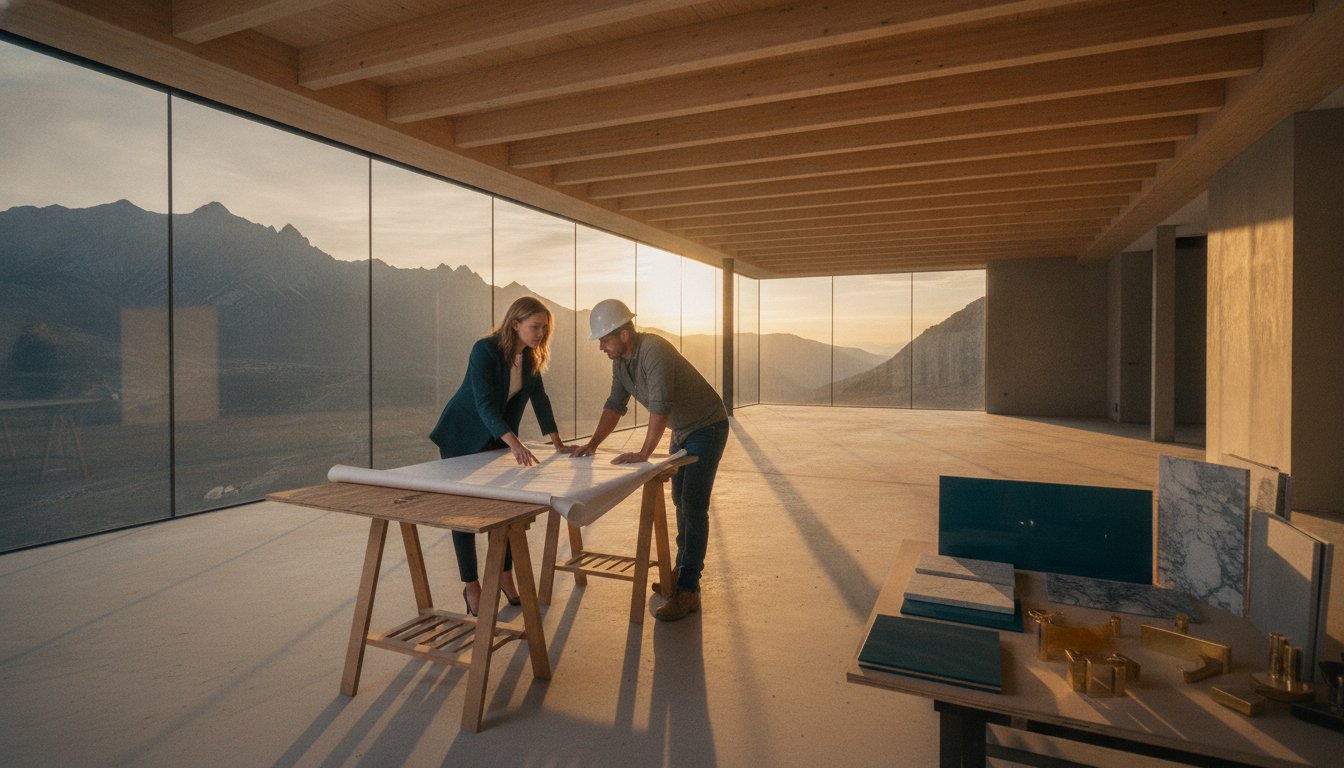
The difference between a mere construction site and a true sanctuary isn't found in the budget, but in the precision of the initial vision. Many homeowners embark on a project with a curated mood board, only to realize that the reality of a high-end remodel involves a dizzying array of technical decisions and potential pitfalls. Truly understanding the interior designer's role in a home renovation means recognizing them as the lead strategist who ensures the structural soul of your home matches its final, polished finish.
It's natural to feel paralyzed by the sheer volume of material choices or the inevitable conflict between a refined aesthetic vision and the practical constraints of the job site. You deserve a creative partnership that honors your investment and protects your peace of mind. This article reveals how a professional designer transforms these logistical burdens into a seamless journey toward a sophisticated, timeless residence. We'll explore how expert curation provides access to exclusive materials and world-class Italian craftsmanship, ensuring your renovation becomes a masterfully managed expression of your highest lifestyle aspirations.
Key Takeaways
- Understand how the interior designer's role in a home renovation serves as the architectural strategist, defining the flow and function of your space long before aesthetics are considered.
- Learn why the designer acts as the essential orchestrator of your project, bridging the gap between your creative vision and the contractor's technical execution.
- Discover the advantages of trade-only procurement, including access to elite Italian craftsmanship and custom furniture design that standard retail cannot provide.
- Explore how professional construction oversight and regular site visits protect your investment by resolving complex technical issues in real-time.
- Recognize professional design as a strategic investment that prevents costly errors and significantly enhances the enduring value of your property.
The Visionary Phase: Space Planning and Interior Architecture
The first steps of a grand transformation don't involve choosing fabric swatches or paint colors. Instead, they require a deep understanding of how a home breathes and moves. The interior designer's role in a home renovation is primarily that of an architectural strategist. They look past the current limitations of a room to see its latent potential, mapping out a future where every square inch serves a purposeful intent. This phase is about the invisible logic of luxury, ensuring that the physical environment supports a life of effortless grace and quiet order. While many confuse the profession with simple styling, Interior design is a multifaceted discipline that addresses the very bones of the building, creating a rhythmic continuity that flows from the entryway to the most private suites.
Conceptualization and Technical Drafting
Success begins with a shared language of light, texture, and volume. Designers develop evocative mood boards that do more than suggest a style; they capture the emotional resonance of your lifestyle goals. These concepts are then translated into precise technical drafts. Detailed floor plans optimize traffic flow and establish functional zones that feel intuitive rather than forced. To eliminate the anxiety of the unknown, 3D visualizations offer a digital walk-through of the finished space. These renderings allow you to experience the height of a ceiling or the reach of natural light before a single wall is moved. This technical foresight prevents the "buyer's remorse" that often haunts less structured projects, providing total clarity for every stakeholder involved.
Interior Architecture vs. Decoration
There is a fundamental distinction between decorating a room and masterminding its architecture. Decoration focuses on the ephemeral, while interior architecture focuses on the enduring. A designer evaluates the structural integrity of your vision, determining where moving a wall might unlock a panoramic view or how a custom-designed ceiling detail can define an open-plan living area. This holistic approach to residential interior design ensures that new additions feel like an organic evolution of the property's original bones. By prioritizing built-in elements and sophisticated proportions, the designer moves away from fleeting trends. The result is a home characterized by timeless sophistication, where the beauty is baked into the very structure of the residence rather than merely resting on the surface.
- Strategic Spatial Layouts: Ensuring furniture placement and structural changes maximize both light and movement.
- Functional Zoning: Creating distinct areas for work, rest, and entertaining that coexist in perfect harmony.
- Technical Precision: Providing contractors with exact specifications that leave no room for costly misinterpretation.
Interior Designer vs. General Contractor: Defining the Roles
A successful renovation resembles a symphony. While the General Contractor acts as the lead performer, ensuring the instruments are tuned and the notes are played correctly, the interior designer's role in a home renovation is that of the conductor. They hold the score, ensuring every technical detail aligns with the overarching narrative. Without this orchestration, construction often defaults to the path of least resistance, which rarely leads to a high-end result. Establishing the design framework before a contractor even sets foot on the property isn't just a preference; it's a strategic move to lock in the project's scope and budget early, preventing the costly change orders that arise when "standard" methods clash with a bespoke vision.
To truly appreciate the depth of this professional partnership, one must ask: What Does an Interior Designer Actually Do? beyond the selection of finishes. It's a role that requires a delicate balance of creative ambition and technical compliance. While the contractor focuses on the physical assembly and adherence to local building codes, the designer ensures those codes don't dictate a compromise in beauty. They work together to navigate complex requirements, such as the 2026 California Building Standards Code's energy efficiency mandates, finding elegant solutions that satisfy both the law and the aesthetic intent.
The Designer as the Client's Advocate
Contractors often speak a language of efficiency and structural necessity. Designers translate your aesthetic aspirations into these technical requirements. They review contractor bids with a critical eye, ensuring that every artisanal detail, from the alignment of floor grains to the integration of hidden HVAC vents, is accounted for and priced accurately. This advocacy prevents the "standardization" of your home, ensuring that bespoke architectural elements aren't simplified for the sake of construction speed. By maintaining this constant dialogue, the designer protects the integrity of the original vision throughout the messy reality of the build.
Technical Specifications and Documentation
Luxury is found in the details that most people don't notice until they're missing. A designer creates a comprehensive "spec book," a master document that catalogs every finish, fixture, and hardware selection. This includes precise electrical and plumbing plans that dictate lighting zones and outlet placements. When these elements are documented with technical precision, it removes the guesswork for sub-contractors, significantly reducing delays. This level of meticulous interior architecture planning ensures that when you finally move in, every switch and fixture feels perfectly placed for your lifestyle.
- Bid Review: Comparing contractor quotes to ensure the high-end materials specified are the ones actually ordered.
- Conflict Resolution: Solving on-site structural surprises without losing the design's core character.
- Lighting Zonation: Mapping out layered lighting that enhances the home's mood and functionality.
- Code Integration: Ensuring fire safety and electrification readiness without sacrificing the visual narrative.
Procurement and Curation: Sourcing Exclusive Materials
Once the architectural intent is established, the renovation moves into the tactile realm where vision meets substance. This stage is where the interior designer's role in a home renovation shifts from strategist to master curator. Sourcing for a high-end project isn't a matter of browsing retail showrooms or digital catalogs available to the public. Instead, it's about leveraging a global network of "trade-only" resources and artisan workshops. The role of an interior designer involves deep immersion in the supply chain, ensuring that every slab of stone, grain of wood, and weave of textile meets an exacting standard of quality that standard suppliers simply cannot replicate.
Expertise in material selection is essential for longevity. A designer's eye can distinguish between a stone that will patina beautifully and one that will simply degrade. They understand the structural requirements of heavy materials and the lightfastness of rare fabrics. This level of discernment protects your investment, ensuring that the materials chosen today will remain as captivating in a decade as they are on the day of installation. By curating a palette of noble materials, the designer creates a home that feels anchored in quality rather than tethered to a specific moment in time.
The Italian Connection and Bespoke Solutions
Authentic luxury often requires looking beyond domestic borders to the heritage of European craftsmanship. Designers maintain exclusive relationships with Italian manufacturers and boutique workshops that specialize in techniques passed down through generations. This connection allows for a level of personalization that retail cannot offer. Whether it's sourcing hand-applied plasters or engaging in custom furniture design, every piece is tailored to the specific dimensions and light conditions of your residence. In coastal Miami or the rugged landscapes of Park City, these bespoke solutions ensure the home reflects its unique environment through authentic, high-performance materials.
The Logistics of Luxury Procurement
The beauty of a curated interior often masks a complex logistical operation. Managing the "procurement headache" is a critical, yet often invisible, part of the process. Your designer handles the intricate dance of international shipping, customs clearances, and white-glove delivery services. They manage lead times with surgical precision, ensuring that a custom chandelier from Murano or marble from Carrara arrives exactly when the contractor is ready for installation. Upon arrival, every item undergoes a rigorous quality inspection. If a finish is imperfect or a dimension is off by a fraction, the designer resolves the issue before it ever reaches your doorstep, maintaining the project's momentum and your peace of mind.
- Exclusive Access: Procuring materials from trade-only showrooms and international artisans.
- Quality Assurance: Conducting detailed inspections of all deliveries to ensure they meet design specifications.
- Lead Time Management: Coordinating with global vendors to align with the construction schedule.
- Bespoke Detailing: Designing one-of-a-kind elements that can't be found in any store.

Construction Oversight and Project Management
The blueprint is only a promise until the first hammer swings. As the dust settles and the structure begins to take shape, the interior designer's role in a home renovation evolves into that of a vigilant guardian. They don't just visit the site; they inhabit the details, ensuring that the physical reality remains faithful to the conceptual dream. Regular site visits are essential to catch the subtle deviations that often occur during the chaotic build phase. Whether it's a tile layout that needs a millimetric adjustment or a paint finish that doesn't catch the light as intended, the designer provides the quality control necessary for a truly high-end residence.
Renovations rarely go exactly as planned once walls are opened. Hidden structural issues, such as unforeseen load-bearing constraints or outdated wiring, can emerge without warning. These moments often force a difficult choice between the budget and the vision. A designer acts as your lead problem-solver, resolving these technical hurdles in real-time without compromising the aesthetic integrity of the project. By serving as the single point of contact, they filter the noise of the construction site. This allows you to enjoy the transformation of your environment without the burden of managing every minor crisis or coordinating with multiple subcontractors.
Managing the Build Phase
A sophisticated interior requires the seamless coordination of multiple specialized trades. The designer bridges the gap between electricians, plumbers, and artisanal stone fabricators, ensuring everyone is working from the same elevated script. They maintain the integrity of the interior designer's original concept by meticulously reviewing and approving shop drawings. These technical documents, provided by subcontractors, detail exactly how a custom element will be built. Reviewing them is a critical safeguard, ensuring that a bespoke staircase or integrated lighting system is executed with the precision your home deserves.
The Final Reveal: Installation and Styling
The true magic happens during the "white glove" installation phase. This is the moment when the house finally becomes a home. Every piece of custom furniture is placed with intentionality, and art is hung with an eye for proportion and narrative flow. By layering textures and curated accessories, the designer brings the space to life, creating an atmosphere that feels both lived-in and impeccably polished. The process concludes with a final walkthrough, where every shadow and surface is inspected to ensure it meets the uncompromising Pianta Design standard. You can experience this level of precision and peace of mind by partnering with us for your Residential Interior Design needs.
- On-Site Advocacy: Monitoring the build to ensure contractors adhere to the specified design plans.
- Conflict Resolution: Solving structural surprises behind the walls while maintaining the aesthetic vision.
- Subcontractor Coordination: Reviewing shop drawings to ensure custom elements are built to exact specifications.
- White Glove Styling: Managing the final installation of furniture, art, and accessories for a cohesive result.
The ROI of Design: Why Professional Guidance is an Investment
Viewing the interior designer's role in a home renovation through the lens of cost alone is a common oversight. True value is measured by the expensive mistakes that never happen. When you consider that a high-end kitchen or master suite remodel in 2026 involves a complex web of technical specifications, a single measurement error or a mismatched material order can be devastating. Professional guidance ensures a "measure twice, cut once" philosophy on a grand scale, protecting your capital from the friction of construction errors and the "ripple effect" of poor planning.
Beyond risk mitigation, there's the undeniable appreciation in property value. The expertise found in premier interior design firms ensures that your home isn't just a collection of expensive finishes, but a cohesive architectural statement. This level of intentionality resonates with future appraisers and discerning buyers alike. Perhaps most importantly, you reclaim your most finite resource: time. While we orchestrate the logistical chaos and manage the trades, you're free to focus on your professional and personal life, arriving only for the moments of creative decision-making that truly matter.
Long-term Value and Timelessness
Quality is the most effective form of sustainability. By selecting materials for their durability and noble aging properties, a designer ensures your home requires less maintenance over the decades. We avoid the "dated" aesthetic by grounding our work in classic proportions and a modern sensibility rather than chasing fleeting trends. Living in a professionally harmonized environment also offers a profound psychological return, fostering a sense of order and serenity that directly enhances your daily quality of life. A home that is masterfully planned remains relevant and beautiful long after the renovation dust has settled.
A Seamless Experience from Concept to Completion
Every Pianta Design project is a journey from the initial visionary phase to the final styling of your private sanctuary. We understand that a renovation is a significant life event that demands both artistic passion and technical precision. Our mission is to ensure the process is as refined as the result, providing a level of peace of mind that only decades of expertise can offer. Your home should be more than a building; it's a reflection of your legacy and a vessel for your future. Schedule a consultation for your next renovation to begin your transformation with a team committed to your vision.
- Error Prevention: Avoiding the high costs of structural changes and material re-orders.
- Strategic Curation: Building long-term value through noble materials and timeless design.
- Time Efficiency: Managing all vendor and contractor communication on your behalf.
- Psychological Well-being: Creating a home that serves as a balanced, restorative sanctuary.
Your Vision, Masterfully Realized
A home renovation is more than a change of scenery; it's a profound commitment to your quality of life. We've explored how the interior designer's role in a home renovation extends far beyond the surface, acting as the essential bridge between technical construction and an elevated aesthetic vision. By serving as your architectural strategist and master curator, a professional designer ensures that every detail, from the initial structural flow to the final artisan finish, is executed with absolute precision and creative intent.
With over 30 years of high-end residential experience and exclusive partnerships with elite Italian manufacturers, Pianta Design brings a global perspective to every project. Whether you're transforming a residence in San Francisco, Miami, or Park City, our team provides the sophisticated oversight required to turn complex logistics into a seamless creative journey. It's time to move beyond the stress of construction and step into a space that truly reflects your highest aspirations. Elevate your renovation with Pianta Design's master planning and project management.
Frequently Asked Questions
When should I hire an interior designer for my home renovation?
You should engage a designer during the earliest conceptual stages, ideally before you've finalized plans with an architect or hired a contractor. This timing allows the professional to influence the interior architecture and spatial flow while structural plans are still flexible. By establishing the interior designer's role in a home renovation at the start, you ensure that the technical infrastructure, such as plumbing and lighting zones, perfectly supports your final lifestyle vision.
Can an interior designer help me choose a general contractor?
Yes, most established firms maintain a vetted network of premier builders and artisans who specialize in high-end residential work. A designer evaluates potential contractors based on their ability to execute complex, bespoke details rather than just their bid price. This partnership ensures that the team on the job site possesses the technical skill and aesthetic sensitivity required for a sophisticated residence.
What is the difference between an interior designer and a decorator in a renovation?
The primary distinction lies in the scope of structural and technical involvement. While a decorator focuses on the surface layer, including furniture, color, and textiles, an interior designer masterminds the interior architecture. This includes technical drafting, space planning, and coordinating with trades to move walls or redesign lighting systems, creating a cohesive foundation that goes far deeper than aesthetics.
Do interior designers handle the permits for a renovation project?
While the general contractor or architect typically submits the final permit applications, the interior designer provides the essential technical drawings required for approval. They ensure that the interior plans comply with local regulations, such as the 2026 California Building Standards Code. This collaborative approach guarantees that the design is both beautiful and legally sound before construction begins.
How do interior designers charge for renovation project management?
Professional fees are typically structured as a flat project fee, an hourly rate, or a percentage of the total project cost. This investment covers the intensive oversight required to manage various trades, conduct site visits, and solve real-time structural challenges. Each firm tailors its fee structure to the project's complexity, ensuring the level of attention matches the residence's requirements.
Can I hire an interior designer just for the material selection phase?
Yes, targeted consultation for material and finish selection is a valuable service for those who have a builder but need expert curation. A designer provides access to trade-only resources and noble materials, such as authentic Italian marble or artisanal hand-applied plasters. This ensures that the tactile elements of your home are durable, timeless, and of a much higher caliber than standard retail offerings.
How does an interior designer work with my architect?
The designer and architect work in tandem to harmonize the home's exterior shell with its interior soul. While the architect focuses on the building's structural integrity and envelope, the designer focuses on the intimate human experience within the spaces. This collaboration ensures that window placements, ceiling heights, and room volumes are optimized for both architectural beauty and daily functionality.
Will an interior designer save me money on my renovation?
Professional guidance is a strategic investment that prevents the most expensive pitfalls of remodeling. By providing precise technical documentation, the interior designer's role in a home renovation is to eliminate guesswork for contractors, which drastically reduces costly change orders and material waste. Their ability to oversee the project protects your budget while significantly increasing the property's long-term market value.
