
Custom Furniture Design in San Francisco, Miami, & Park City: The 2026 Luxury Guide
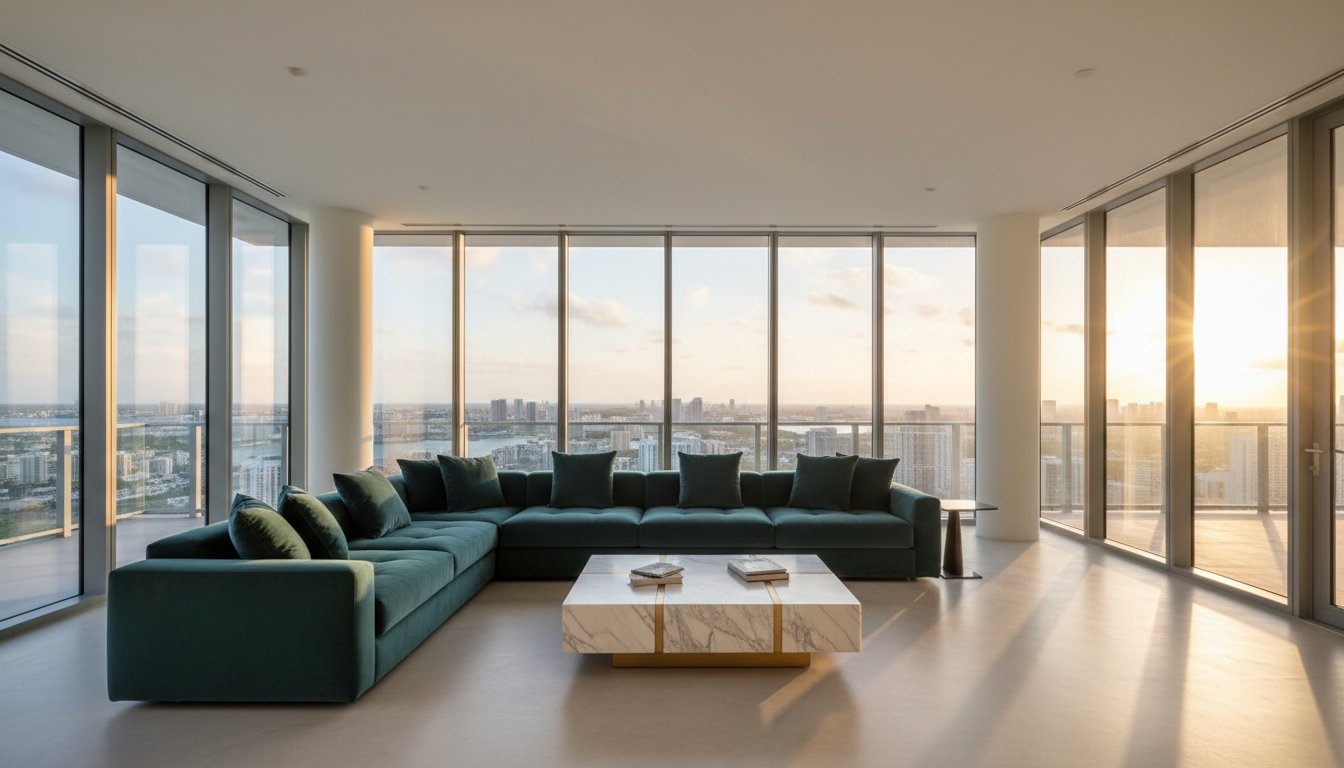
A multi-million dollar architectural masterpiece loses its soul the moment a mass-produced sofa crosses the threshold. You've likely felt that subtle friction when a retail piece, despite its high-end label, fails to respect the soaring twelve-foot volumes of a Park City great room or the fluid, light-filled geometry of a San Francisco terrace. It's a frustrating reality when standard inventory disrupts the visual balance you've worked so hard to establish with your architect. You deserve an environment where every element feels like a natural extension of the floor plan rather than an afterthought.
This 2026 guide reveals how custom furniture design transforms these expansive spaces into curated sanctuaries of Italian craftsmanship and architectural harmony. We'll show you how to move beyond the limitations of the showroom to achieve a home that's entirely non-replicable. You'll discover the precise methods for scaling pieces to unique proportions and the art of coordinating rare textures with your existing interior finishes to ensure a seamless, sophisticated transition throughout your residence.
Key Takeaways
- Understand why high-end retail often falls short in unique architectural spaces and how bespoke solutions achieve true spatial harmony.
- Discover the technical superiority of traditional Italian joinery and how a 30-year legacy of craftsmanship ensures your pieces become timeless heirlooms.
- Apply a strategic selection framework to identify exactly where custom furniture design is required to resolve architectural challenges and elevate your home's character.
- Learn to adapt luxury aesthetics to regional landscapes, from San Francisco’s historic-modern blends to Miami’s seamless indoor-outdoor coastal flow.
- Gain insight into the professional design journey, moving from conceptual "void" identification to technical 3D visualizations and final installation.
Beyond the Showroom: The Role of Custom Furniture Design in Luxury Interiors
True luxury isn't found on a warehouse shelf; it's the result of a deliberate, artistic dialogue between a space and its inhabitants. While high-end retail provides immediate gratification, custom furniture design offers something far more enduring: a soul. In the 2026 luxury market, discerning homeowners in San Francisco and Miami are moving away from mass-produced prestige. They seek pieces that reflect their personal narrative. This shift isn't merely about aesthetics. It's about the emotional weight of a heritage-quality object that cannot be replicated. Owning a piece of Studio furniture or a bespoke commission means participating in a legacy of craftsmanship that transcends seasonal trends. These pieces act as anchors in an ever-changing world, providing a sense of permanence and identity that catalog items simply can't mirror.
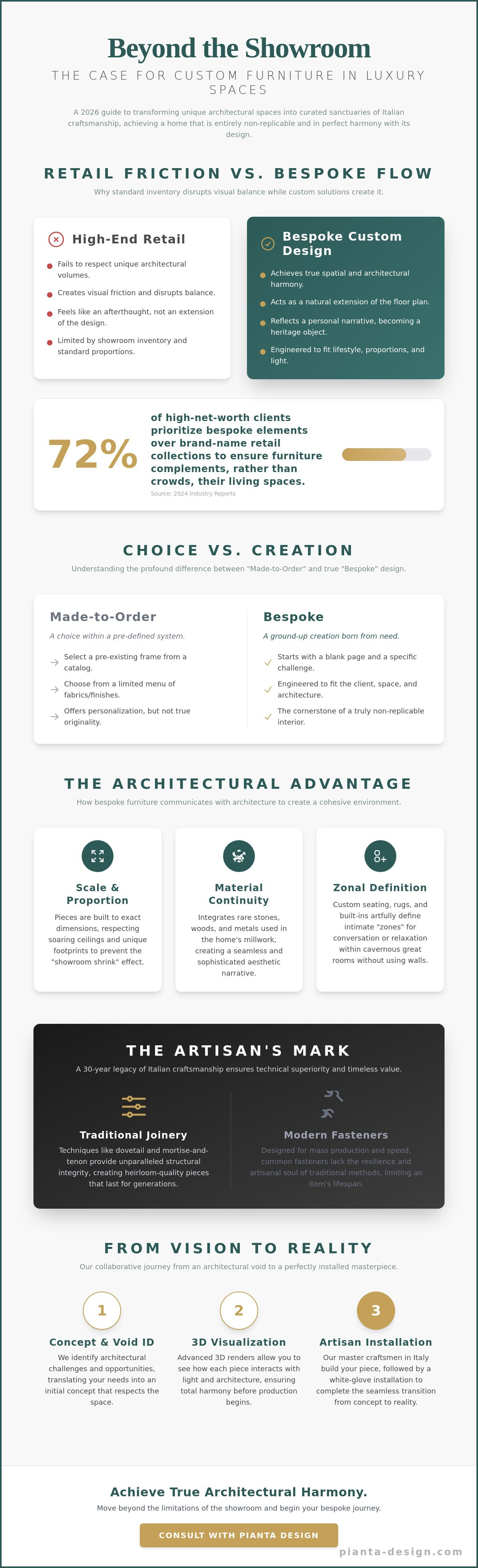
Retail showrooms often fail when confronted with the complex architectural footprints of modern estates. A sofa designed for a standard rectangular room will struggle in a Park City chalet with vaulted, asymmetrical ceilings or a Miami penthouse with curved glass curtain walls. Custom solutions allow for a level of precision where every inch is considered. In 2024, industry reports indicated that 72% of high-net-worth clients prioritized bespoke elements over brand-name retail collections to ensure their furniture complemented, rather than crowded, their living spaces.
Custom vs. Made-to-Order: Understanding the Distinction
The distinction between "made-to-order" and "bespoke" is often blurred by marketing, yet the difference is profound. Made-to-order usually involves selecting a pre-existing frame from a catalog and choosing a fabric or finish from a limited menu. It's a choice within a system. Bespoke custom furniture design is a ground-up creation. It begins with a blank page and a specific set of needs. This level of customization is a cornerstone of residential interior design, where the furniture is engineered to fit the client's lifestyle, body proportions, and the specific light conditions of their home.
The Synergy of Furniture and Interior Architecture
Furniture shouldn't just sit inside a room; it should communicate with the architecture. When pieces are designed specifically for a project, they can emphasize or even correct architectural lines. In large, open-concept homes, bespoke seating and integrated built-ins are essential tools for defining "zones" without the need for restrictive walls. To ensure total harmony, we utilize advanced 3D visualizations during the conceptualization phase. This process allows clients to see how the grain of a walnut table or the silhouette of a velvet sectional interacts with the room's natural light and structural elements before production begins.
- Scale and Proportion: Custom pieces are built to the exact dimensions of the room, preventing the "showroom shrink" effect where furniture looks smaller once delivered.
- Zonal Definition: Bespoke rugs and curved seating groups create intimate conversation areas in cavernous great rooms.
- Material Continuity: Using the same rare stone or wood species in both the furniture and the home’s millwork creates a seamless, curated aesthetic.
Visualizing these elements in 3D ensures that the final result isn't just a collection of beautiful objects, but a cohesive environment. This level of planning eliminates the guesswork, ensuring that every bespoke piece serves as a functional extension of the home's original architectural intent.
The Italian Connection: Why Craftsmanship Defines Bespoke Furniture
For three decades, Pianta Design has cultivated an intimate partnership with Italy's most prestigious workshops. This 30-year relationship transcends mere commerce, ensuring every custom furniture design becomes a dialogue between the architect's vision and the artisan's hands. In 2026, the "Made in Italy" label remains the undisputed gold standard for luxury interiors because it represents a certificate of technical superiority. Traditional joinery, such as the intricate dovetail or the mortise and tenon, provides a structural integrity that modern fasteners cannot replicate. When you touch a hand-tufted leather sofa or a silk-velvet armchair, you're feeling centuries of refined upholstery expertise that mass production simply can't simulate.
Artisanal Techniques in the Modern Era
Pianta Design bridges the gap between heritage and technology. We utilize specialized Procurement and Sourcing Commissions to gain access to secretive, family-run factories in regions like Brianza or Tuscany that rarely open their doors to the public. These workshops integrate 5-axis CNC machining with old-world hand-planing to achieve tolerances within 0.1 millimeters. This fusion was vital for a recent project in a Miami penthouse. We anchored the dining room with a four-meter table carved from a single block of Calacatta marble. The weight required rigorous engineering, yet the edges were softened by hand to create a tactile, organic flow that feels human and inviting.
Material Selection and Finish Artistry
Selecting the right palette is essential for achieving a cohesive look, especially when integrating custom italian furniture design california homeowners expect. We prioritize sustainability by choosing FSC-certified woods and leathers tanned with vegetable extracts instead of harsh chemicals, ensuring pieces are as ethical as they are beautiful. Every element undergoes a process we call finish artistry. We define finish artistry as the meticulous application of hand-rubbed oils or lacquers. This method ensures the wood breathes and ages gracefully over decades.
The sourcing process involves selecting rare marbles with unique veining and hand-finished leathers that develop a rich patina over time. These materials don't just fill a room; they define its character. If you're ready to elevate your home with pieces that balance art and utility, you can view our latest bespoke projects to see how these textures harmonize in a modern luxury setting. This commitment to custom furniture design ensures that your investment isn't just for today, but for generations to come.
Bespoke vs. Semi-Custom: A Strategic Selection Framework
Choosing between bespoke and semi-custom solutions requires a nuanced understanding of your space's architectural soul. Semi-custom pieces offer a curated level of personalization through selected finishes and fabrics, yet they remain tethered to existing templates. In contrast, custom furniture design at the bespoke level represents a total liberation from standard constraints. We evaluate every project by identifying where a piece must act as a structural anchor versus where it serves as a functional accompaniment. This distinction ensures your budget is allocated toward items that define the room's character.
Investment pieces typically reside in formal living areas or master suites where the aesthetic impact is highest. These are the items likely to appreciate in value, much like a piece of fine art. For high-traffic zones, we prioritize a cost-benefit analysis that weighs artisanal craftsmanship against the rigors of daily use. In 2026, the global supply chain remains complex; selecting bespoke often allows for more localized, high-end production that bypasses the 20-plus week delays often seen in mass-market luxury imports from traditional manufacturing hubs.
When to Go Fully Bespoke
Standard dimensions often fail the grand scale of luxury architecture. A 14-foot sofa in a San Francisco loft or a sprawling dining table for a Park City mountain estate requires engineering that semi-custom catalogs simply can't provide. Bespoke design allows for the seamless integration of technology; think hidden motorized lifts for media or integrated wireless charging pads tucked beneath a natural stone veneer. Environment also dictates this choice. In Miami, we specify materials like marine-grade 316 stainless steel to resist high-salt air, while Park City projects require kiln-dried hardwoods treated to resist the cracking caused by indoor humidity levels that often drop below 15 percent in winter.
The Designer’s Role in Procurement
A designer's oversight is the essential bridge between a conceptual sketch and a finished masterpiece. We manage the intricate logistics of transporting hand-carved elements from Italian ports to North American residences, ensuring that 2026's updated maritime regulations don't stall your project timeline. This professional management prevents the costly errors often associated with complex custom furniture design, such as incorrect scale or incompatible material pairings. Understanding the benefits of custom furniture helps you see that this process isn't just about purchasing a single object; it's about achieving a cohesive, singular vision that reflects your personal legacy and lifestyle requirements.
Regional Design: Tailoring Custom Furniture to SF, Miami, and Park City
Custom furniture design thrives when it respects the specific geography it inhabits. A bespoke table in a San Francisco Victorian serves a different purpose than a modular lounge in a Miami penthouse. Each city possesses a distinct light quality and architectural heritage that demands a specialized approach to materials and scale. Designers must look beyond the four walls of a room to the horizon outside, ensuring the interior feels like a natural extension of its environment.
- San Francisco: Balancing 19th-century proportions with 21st-century functionality.
- Miami: Integrating the azure horizon through reflective finishes and indoor-outdoor continuity.
- Park City: Honoring the scale of the Wasatch Range with tactile, grounding elements.
Designing for the Bay Area and Salt Lake City
San Francisco floor plans often challenge designers with narrow footprints and soaring ceilings. Maximizing vertical space becomes essential. We create custom cabinetry and shelving units that draw the eye upward, utilizing the verticality of historic homes to provide storage without cluttering the floor. In Salt Lake City, the recent 15% surge in urban development has ushered in a wave of warm minimalism. This style balances the city's rapid growth with cozy, organic textures that provide a sanctuary from the bustling downtown core. Leading interior design firms adapt to these varied local architectures by blending regional heritage with modern lifestyle needs, ensuring every piece of custom furniture design feels intentional.
Tropical Elegance and Mountain Grandeur
Miami's luxury market demands a yacht-inspired aesthetic where light is the primary guest. We utilize acrylics, light-toned woods like bleached maple, and high-performance fabrics that resist the 74% average humidity levels found in South Florida. The goal is a seamless flow between the terrace and the living room. Conversely, Park City presents the "Great Room" challenge. Furniture in these spaces must be oversized to avoid disappearing under 22-foot timber-beamed ceilings. We utilize heavy textures, such as bouclé and distressed leathers, to mirror the rugged landscape outside. The local climate dictates the choice of wood species for custom furniture, as the extreme dryness of high-altitude Utah requires different seasoning and joinery techniques than the tropical moisture of Florida.
The light in these regions also transforms how finishes appear. The cool, filtered fog of the Bay Area requires warmer wood stains to prevent a space from feeling sterile. In contrast, the intense, direct sun of Miami calls for matte finishes that minimize glare while highlighting the natural grain of the wood. By selecting materials that respond to these environmental nuances, we create homes that feel deeply rooted in their location.
Ready to transform your home with pieces that speak the language of your city? Explore our bespoke design services today.
The Pianta Design Process: From Concept Sketch to Installation
Creating a home that resonates with your personal history requires more than just selecting pieces from a showroom. It demands a structured yet artistic evolution. At Pianta Design, we don't just fill rooms; we address the aesthetic and functional "voids" that standard retail cannot touch. This initial consultation sets the stage for a custom furniture design process that is as rigorous as it is creative. We look for the missed opportunities in a floor plan where a bespoke piece could solve a spatial puzzle or elevate a room's emotional impact.
Our drafting phase transforms abstract desires into technical reality. We produce detailed technical drawings and 3D visualizations that allow you to walk through your future space before a single piece of timber is cut. This precision eliminates guesswork, ensuring that a massive dining table fits the proportions of a Park City mountain estate or a sleek credenza complements a Miami high-rise. Once the drawings are perfected, we move into collaborative refinement. This is where you touch the leathers, feel the grain of the hand-selected woods, and approve the mood boards that define your home's atmosphere.
The journey continues with production and oversight, managed through our long-standing partnerships with elite Italian artisans. We maintain a 100 percent quality control policy, ensuring that the craftsmanship meets the exacting standards we've upheld for decades. The process culminates in a white-glove installation. Our team handles every detail, from the logistics of delivery to the final positioning, ensuring your new pieces integrate perfectly with existing architectural elements and lighting.
A Legacy of Excellence with Maria Pianta
Maria Pianta's career spans 30 years, giving her an intuitive grasp of how custom furniture design must interact with construction schedules and architectural constraints. Her role in project management and construction oversight ensures that a custom vanity or built-in library isn't an afterthought; it's a core component of the building's soul. Since 1994, she has refined a process that streamlines complex logistics, ensuring every piece tells a story unique to the homeowner while maintaining the structural integrity of the overall design.
The Final Layer: Art and Lighting
A room is never truly finished until the light hits the right surface. We coordinate every furniture project with a professional interior design art consultation to ensure your collection and your seating exist in harmony. Bespoke lighting design serves as the final brushstroke, highlighting the subtle textures of hand-rubbed finishes and rare textiles. This holistic approach ensures that luxury living isn't just about the objects you own, but how those objects interact with light, art, and the space they inhabit.
Transform Your Vision Into a Lasting Legacy
Your home is more than a collection of rooms; it's a reflection of a life well-lived. As we look toward the design landscape of 2026, the shift toward meaningful, intentional spaces has never been more apparent. True custom furniture design isn't merely about filling a floor plan. It's an intricate dialogue between your personal narrative and the world's finest materials. By bridging the gap between visionary sketches and the meticulous hands of premier Italian manufacturers, the process ensures every piece carries a legacy of quality.
With over 30 years of high-end design experience, our team navigates the specific architectural demands of San Francisco's historic hills, Miami's coastal light, and the rugged textures of Park City. We maintain dedicated offices in California, Florida, and Utah to provide local expertise that respects your environment. This commitment to excellence transforms a simple renovation into a curated masterpiece of form and function. We look forward to crafting a space that resonates with your soul.
Begin your bespoke design journey with Pianta Design today.
Frequently Asked Questions
How long does the custom furniture design process usually take?
The custom furniture design process typically spans 16 to 24 weeks from the initial conceptual sketch to final installation. This timeline accounts for a 4 week design refinement phase followed by 12 to 18 weeks of meticulous production in our Italian ateliers. By 2026, global logistics standards suggest allowing an additional 3 weeks for white-glove delivery and assembly in residences across San Francisco or Park City.
Why is custom furniture more expensive than high-end retail brands?
Custom pieces command a premium because they involve 100 percent bespoke engineering rather than the scaled production models used by retail brands. While high-end retail relies on standardized jigs, custom furniture requires individual material sourcing and hand-finished details that consume 3 to 5 times more labor hours. You're investing in a singular architectural element tailored to your home's specific dimensions and aesthetic requirements.
Can Pianta Design create custom furniture for yachts and commercial spaces?
We specialize in bespoke solutions for private yachts and high-end commercial environments like boutique hotels or executive suites. Marine projects require specific certifications, such as IMO-compliant fire-retardant fabrics and moisture-resistant substrates. For commercial spaces, we apply 50,000+ Martindale rub count standards to ensure that every piece maintains its structural integrity and visual allure under frequent use.
Do I need to have a full interior design project to order custom furniture?
You don't need a comprehensive interior renovation to commission a single, transformative piece of furniture. Many clients begin their journey with a solitary statement item, such as a sculptural dining table or a signature modular sofa. These individual commissions receive the same level of architectural precision and Italian craftsmanship as our full-scale residential projects in Miami or San Francisco.
What are the most durable materials for custom furniture in a Miami climate?
Selecting materials that withstand 80 percent average humidity levels is essential for Miami residences. We prioritize Grade A teak, 316-grade stainless steel, and solution-dyed acrylic textiles that resist UV degradation and salt air corrosion. These technical specifications ensure that your custom furniture design remains pristine despite the intense Florida sun and tropical moisture cycles throughout the year.
How does Pianta Design handle the shipping of furniture from Italy?
We manage the entire logistics chain from our workshops in Italy to your doorstep using specialized white-glove carriers. Most shipments arrive via sea freight within 35 to 45 days, though air freight options can reduce this to 10 days for urgent installations. Our team handles all customs documentation and final assembly, ensuring every piece transitions perfectly from the crate to its designated place in your home.
Is custom furniture a good investment for my home’s resale value?
Bespoke furnishings significantly enhance a property's market appeal, often helping luxury homes sell 20 percent faster according to 2023 real estate industry surveys. Built-in custom elements or curated furniture packages create a cohesive, turnkey environment that high-net-worth buyers find irresistible. These pieces aren't just functional items; they're architectural assets that elevate the overall valuation and desirability of your residence.
What is the difference between a furniture designer and an interior designer who does custom furniture?
A furniture designer focuses exclusively on the ergonomics, structural engineering, and material science of a single object. An interior designer views custom furniture through the lens of the entire room's composition and flow. At Pianta Design, we merge these roles, ensuring that every bespoke piece functions as a perfect mechanical unit while harmonizing with the architectural soul of your living space.
