
The Benefits of Integrated Interior Architecture for Luxury Residences
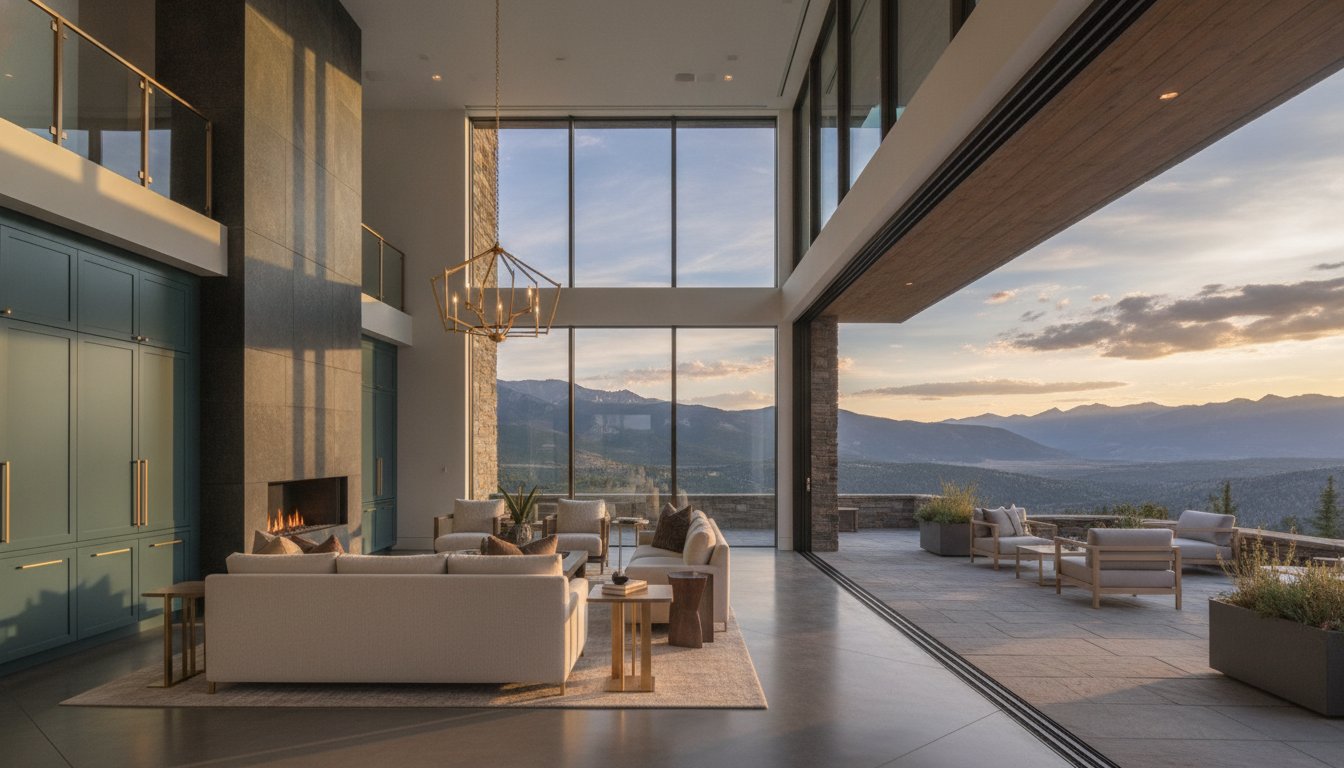
What if the structural soul of your home was designed in perfect conversation with the textures, light, and art that define your life? While many homeowners seek a seamless living experience, they often encounter a jarring disconnect where rooms feel fragmented and construction becomes a battleground of conflicting visions. Realizing the benefits of integrated interior architecture is essential to avoiding these late-stage structural changes and the hidden costs that follow. You deserve a sanctuary that feels like a singular, cohesive masterpiece rather than a collection of separate ideas.
This holistic approach ensures that every square foot is optimized for both beauty and function from the very first sketch. We'll examine how a unified design philosophy streamlines the management phase, maximizes property value through superior space planning, and reduces the friction that often plagues luxury builds. Discover how bridging the gap between structural design and interior aesthetics creates a residence that isn't just a house, but a deeply personal, high-value investment in your daily well-being.
Key Takeaways
- Learn why true luxury begins at the blueprint stage by merging structural planning with aesthetic vision before construction starts.
- Understand how a unified design firm eliminates conflicts between architects and designers, ensuring a single point of accountability for your project.
- Explore the financial and lifestyle benefits of integrated interior architecture, including maximized property value and superior spatial flow.
- Discover how the technical precision required for yacht interior design translates into the seamless management of complex residential estates.
What is Integrated Interior Architecture? Defining the Seamless Home
Imagine a home where the curve of a ceiling perfectly mirrors the sweep of a custom-designed sofa, or where the morning light hits a specific marble surface exactly as intended. This isn't accidental. It's the result of a discipline that merges the technical rigor of building with the poetic touch of art. To understand What is Interior Architecture, one must look beyond the surface. It's the art of shaping the interior volume of a building from the inside out; it ensures that the structural shell and the living experience are inextricably linked.
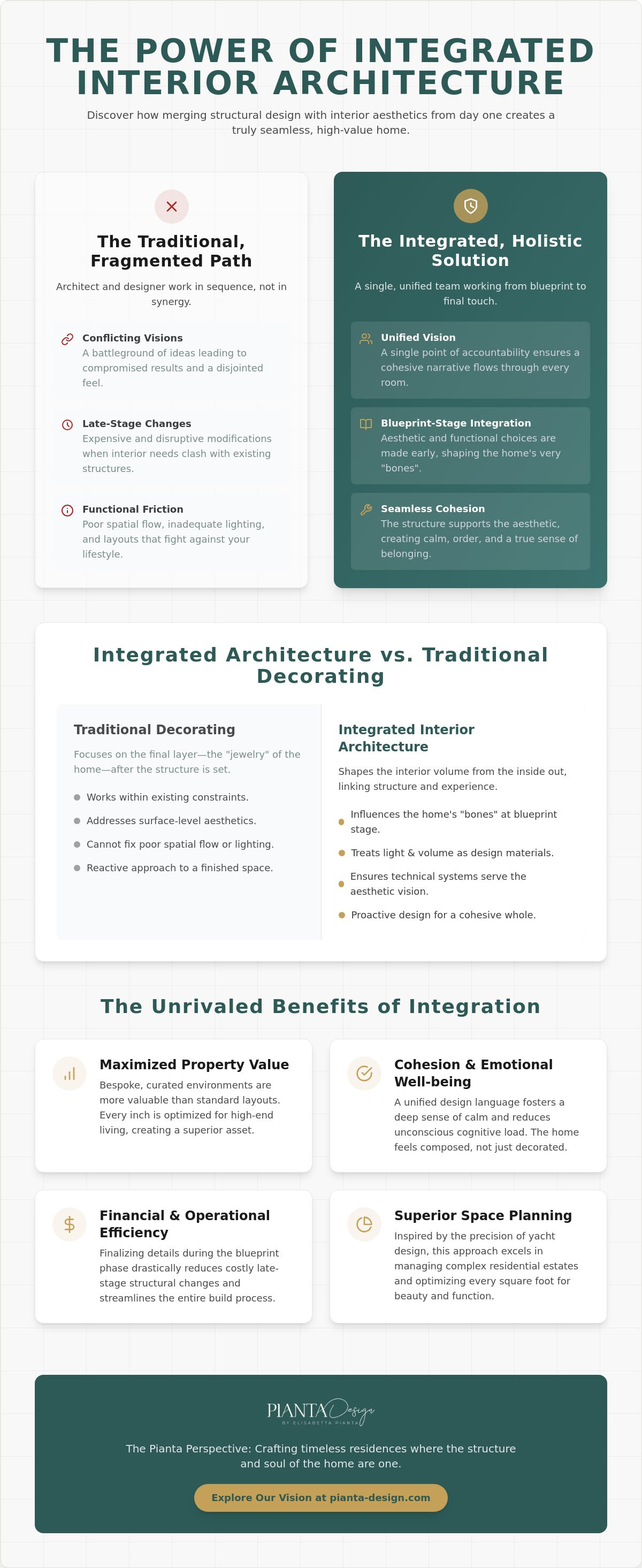
True luxury doesn't happen when a designer is brought in after the drywall is up. One of the primary benefits of integrated interior architecture is the ability to influence the "bones" of the residence during the blueprint stage. This early intervention allows for a narrative that flows through every room, creating a sense of calm and order that surface-level decorating can't achieve. While a decorator focuses on the ephemeral and a designer manages the functional layout, the interior architect bridges the gap between the two, ensuring that the very structure of the house supports the final aesthetic vision.
The Bridge Between Structure and Style
In this approach, spatial volume and light aren't just conditions; they're primary design materials. An interior architect looks at how a room breathes. They consider the placement of windows not just for the exterior facade, but for how they'll illuminate a specific art piece or define a morning ritual. The technical planning of plumbing, electrical systems, and structural supports is treated with the same reverence as the choice of silk for a curtain. This ensures the technical shell serves the lifestyle, not the other way around. It's about creating a foundation where the "bones" of the home are as beautiful as the finishes.
Integrated Architecture vs. Traditional Decorating
Decorating is the final layer, the jewelry of the home. While essential, it cannot fix poor spatial flow or inadequate lighting. By focusing on material and finish selection during the architectural phase, we ensure that the textures of the walls and the weight of the flooring are in perfect dialogue with the structural intent. Integrated design means that every bespoke furniture piece has its place because the room was literally built to hold it. This foresight is one of the most significant benefits of integrated interior architecture; it prevents the functional friction that often disrupts the peace of a luxury residence. Instead of fighting against the architecture, your furniture and art become an extension of it.
The Unrivaled Benefits of Integrated Interior Architecture
The profound sense of belonging that defines a masterpiece home is rarely a product of chance. When we speak of the benefits of integrated interior architecture, we refer to a state where the building's shell doesn't just house your life; it anticipates it. Imagine custom Italian millwork that isn't merely attached to a wall but is recessed into the structural frame, or lighting systems that are hardwired into the home’s very geometry. This level of intentionality increases property value because it transforms a standard layout into a high-end, bespoke environment where every square inch has been curated for a specific purpose.
Integrated architecture ensures the structural skeleton and the aesthetic skin exist as a single, unified entity, effectively eliminating the visual friction and functional clashing that occurs when these elements are designed in isolation.
Cohesion and Flow: The Emotional Benefit
Living in a fragmented space creates an unconscious cognitive load. Your brain works harder to process rooms that don't talk to each other. By contrast, a unified design language fosters a deep sense of calm. This is especially evident in transitional spaces like galleries and foyers, which are often overlooked in standard residential interior design. Whether the property is a sun-drenched Miami villa or a sophisticated San Francisco townhouse, the emotional resonance remains consistent because the architectural narrative never breaks. It's the difference between a house that feels "decorated" and one that feels truly composed.
Financial and Operational Efficiency
Beyond the aesthetic, there's a practical mastery to this model. Finalizing interior details during the blueprint phase drastically reduces "change orders," those expensive structural shifts requested late in construction. When you utilize a firm that masters both disciplines, project management and construction oversight become significantly more efficient. Decisions are made once, with total clarity. This foresight protects your investment, which in the 2026 luxury market often starts at $2 million for the top 5% of properties, ensuring that the benefits of integrated interior architecture extend to your long-term financial peace.
Choosing timeless architectural choices over fleeting decor trends ensures your home remains a masterpiece for decades. If you're ready to see how this harmony can elevate your next project, our team is here to guide the way.
Solving the Architect-Designer Gap: A Unified Vision
The traditional approach to luxury home building often suffers from the "Silo Effect," where architects and interior designers work in isolation, separated by different timelines and priorities. This fragmentation frequently leads to a house that looks impressive from the curb but feels fundamentally disconnected once you step inside. One of the most transformative benefits of integrated interior architecture is the dissolution of these boundaries. Instead of two separate entities competing for space, you gain a singular vision where the structural beams and the bespoke millwork are planned in the same breath, ensuring the interior experience is never an afterthought.
When the structural shell and the aesthetic soul are designed together, the home becomes a singular, cohesive masterpiece. This unity prevents the common friction that arises when a designer’s vision for a room is hindered by a structural column or an awkwardly placed window. By aligning these disciplines early on, we create a residence that feels intentional in every detail, from the grand proportions of the gallery to the intimate scale of a private study.
The Single Point of Accountability
Construction projects are notoriously complex, and fragmentation only invites the "blame game" between contractors and designers when issues arise. A unified firm serves as the single point of accountability, protecting the artistic integrity of the project while providing a clear line of communication for the homeowner. At Pianta Design, we manage the entire lifecycle from the initial architectural concept through to final procurement. This streamlined model offers significant peace of mind; a comprehensive fee structure ensures you aren't paying for the same coordination twice, and every decision is made with the final, livable result in mind.
Technical Synergy: Lighting and Systems
Technical infrastructure should be felt through comfort, not seen through clutter. Too often, beautiful plasterwork is marred by poorly placed HVAC vents or jarring electrical panels that weren't considered during the initial build. Sophisticated lighting design must be integrated into the structural electrical plan from the very start. This allows for concealed fixtures that bathe a room in light without disrupting the ceiling's geometry. This technical synergy ensures that modern technology is seamlessly tucked away within classic architectural details, maintaining acoustic and thermal comfort without compromising the aesthetic vision. It's this level of foresight that truly defines the benefits of integrated interior architecture, turning a complex mechanical process into a silent, artistic evolution.
From Yacht to Estate: Scaling Integrated Design
Nowhere is the marriage of engineering and aesthetics more critical than on the open water. In yacht interior design, every millimeter is a precious resource. The interior architecture must be perfectly synchronized with the vessel's hull, leaving no room for the "siloed" thinking that often plagues land-based construction. This extreme environment provides the ultimate masterclass in how to manage space with absolute intentionality. When we bring this maritime rigor to a luxury estate, the results are transformative. One of the greatest benefits of integrated interior architecture is the ability to scale this meticulous precision to the expansive volumes of a mountain retreat in Park City or a coastal villa in Miami.
Applying this philosophy means that the interior isn't just a skin applied to a building. It's an organic extension of the structure itself. Whether we're designing for a constrained nautical cabin or a 10,000-square-foot residence, the goal remains the same: a home that feels like a single, breathing entity. This approach ensures that the grandest rooms maintain an intimate, human scale through the clever use of architectural millwork and light.
Maritime Precision in Residential Spaces
Yacht design teaches us how to maximize every square inch without sacrificing the feeling of luxury. We apply these lessons to land-based projects, such as a Miami penthouse where views are paramount and storage must be invisible yet accessible. This involves the integration of bespoke storage and hidden architectural features that disappear into the walls. In a recent project for a Salt Lake City residence, we utilized yacht-level craftsmanship to create a library where the shelving was structurally supportive of the mezzanine. This level of technical integration is one of the defining benefits of integrated interior architecture, as it allows for daring design solutions that standard decorating simply can't support.
Sourcing Authenticity: The Italian Connection
True interior architecture relies on the hands of masters. The world's finest results often stem from Italian manufacturing, where artisans treat a wall panel with the same reverence as a piece of fine jewelry. By leveraging these international connections, we provide site-specific architectural solutions that aren't available to the general public. In this model, custom furniture design becomes more than just an arrangement of objects; it becomes a structural element of the room. A headboard might become a partition wall; a dining table might be anchored into the floor's stonework. This creates a permanence and a sense of "place" that defines the modern luxury experience.
If you seek a home that functions with the effortless grace of a world-class vessel, explore our integrated design services today to begin your journey toward a truly unified residence.
The Pianta Perspective: Crafting Timeless Interior Architecture
With over 30 years of experience, we've refined a process that blends modern sensibility with timeless sophistication. We believe that true elegance isn't a decorative layer but is found in the unity of form and function. Our team collaborates with clients from the sun-washed coasts of Florida to the fog-draped hills of California to realize visions that are as unique as the individuals who inhabit them. This journey isn't merely about construction; it's a curated evolution from the first sketch of a floor plan to the final, precise placement of a curated art collection.
The benefits of integrated interior architecture become most evident when a project transitions from a technical challenge to a livable masterpiece. We don't just design rooms; we craft environments where the structural architecture and the internal aesthetics speak the same language. This harmony is the hallmark of our approach, ensuring that every residence we touch feels both grand in its proportions and intimate in its details. By overseeing every nuance, we protect the artistic integrity of your home from the initial blueprint to the moment you first step through the door.
A Legacy of Excellence in California and Beyond
Our roots run deep within the San Francisco and Miami design communities, where we've spent decades perfecting the art of the luxury home. We understand that a mountain retreat in Park City requires a different architectural dialogue than a waterfront estate in Miami. By adapting our integrated approach to local landscapes, we ensure that each home feels grounded in its environment. Our long-standing relationships with premier European manufacturers allow us to bring a level of material quality and bespoke craftsmanship that's truly world-class. These partnerships ensure that the benefits of integrated interior architecture are supported by the finest stones, woods, and metals available globally, sourced specifically for your project.
Your Invitation to Integrated Luxury
We invite you to experience a design process where your lifestyle is the primary blueprint. During your initial consultation, we explore the nuances of how you live, transforming complex architectural challenges into elegant, intuitive solutions. We see ourselves as your guides through the intricate world of luxury building, managing every detail so you can focus on the joy of creation. Whether you're planning a new build or a significant renovation, the result is a home that transcends trends. Begin your journey with Pianta Design and discover the difference that three decades of uncompromising vision can make in your daily life.
Elevate Your Living Experience Through Unified Design
True luxury is an immersive experience where the structural soul and aesthetic skin of a home exist in perfect dialogue. By embracing the benefits of integrated interior architecture, you move beyond mere decoration into a space of intentional composition. This approach eliminates the friction between separate design entities, ensures technical systems remain invisible, and applies the exacting standards of maritime precision to your private estate. It's a commitment to a residence that isn't just built, but meticulously composed from the first blueprint to the final art placement.
Pianta Design brings over 30 years of experience to this sophisticated discipline, with expertise spanning residential, commercial, and yacht interiors. Our direct partnerships with premier Italian manufacturers allow us to realize site-specific solutions that are as enduring as they are beautiful. Your home should be a singular masterpiece that reflects your highest aspirations. We invite you to Schedule a Consultation for Your Integrated Design Project and begin the process of crafting a space that truly resonates with your life. Let's create a sanctuary that stands the test of time together.
Frequently Asked Questions
What is the main difference between an interior designer and an interior architect?
An interior architect focuses on the structural soul of the building, bridging the gap between engineering and aesthetic design. While an interior designer primarily manages the final layers of furniture and finishes, an interior architect influences the home’s "bones" by managing spatial volume, technical systems, and lighting integration. This ensures the residence is structurally optimized for your lifestyle from the very first sketch.
How does integrated interior architecture save money in the long run?
This approach saves money by eliminating the need for costly change orders during the construction phase. By finalizing structural interior details before the first brick is laid, you avoid expensive rework of plumbing, electrical, or load-bearing elements. One of the long-term benefits of integrated interior architecture is the significant increase in property value achieved through superior, intentional space planning that stands the test of time.
At what stage of a project should I involve an interior architect?
You should involve an interior architect during the blueprint stage, ideally before construction permits are finalized. Engaging a unified firm at the start ensures that the interior vision is baked into the structural plans. This early collaboration prevents the common friction where the architect’s shell and the designer’s interior vision conflict, leading to delays and compromises in the final living experience.
Can integrated design be applied to an existing home, or is it only for new builds?
Integrated design is vital for both new builds and significant residential renovations. In an existing home, an interior architect reimagines the flow by moving structural walls, redesigning lighting grids, or integrating custom millwork into the building’s frame. This approach ensures that a renovation feels like a singular, cohesive masterpiece rather than a collection of disjointed updates that don't talk to each other.
Why is lighting considered a part of interior architecture rather than just decor?
Lighting is considered architectural because it must be hardwired into the home’s electrical and structural geometry. Proper lighting design involves recessed fixtures, automated control systems, and specific placements that highlight the volume of a room. It isn't just about a decorative lamp; it's a primary material used to define the "bones" and the emotional atmosphere of the residence through technical precision.
How does Pianta Design handle the procurement of custom Italian furniture?
We leverage direct partnerships with premier Italian manufacturers to source and customize pieces that aren't available to the general public. Our team manages the entire procurement lifecycle, from technical drawings and material selection to international logistics and final installation. This ensures that every piece of custom furniture becomes a seamless, site-specific extension of the home’s interior architecture rather than a separate object.
What regions do you serve for integrated residential design?
Pianta Design serves clients across the United States, with deep roots in the San Francisco, Miami, and Park City design communities. We specialize in realizing high-end visions from California to Florida, adapting our integrated approach to suit unique local landscapes. Whether you're building a mountain estate or a coastal villa, our team provides a global perspective with intimate, personal expertise.
Is integrated interior architecture necessary for commercial or yacht projects?
It's absolutely essential for commercial and yacht projects where technical precision is non-negotiable. In yacht interior design, the interior architecture must be perfectly synchronized with the vessel’s hull to maximize every millimeter of space. For commercial projects, this integrated model ensures that the brand’s aesthetic vision is supported by robust, high-functioning structural planning that can withstand daily use without sacrificing elegance.
