
The Art of Material and Finish Selection: A Masterclass in Luxury Interiors
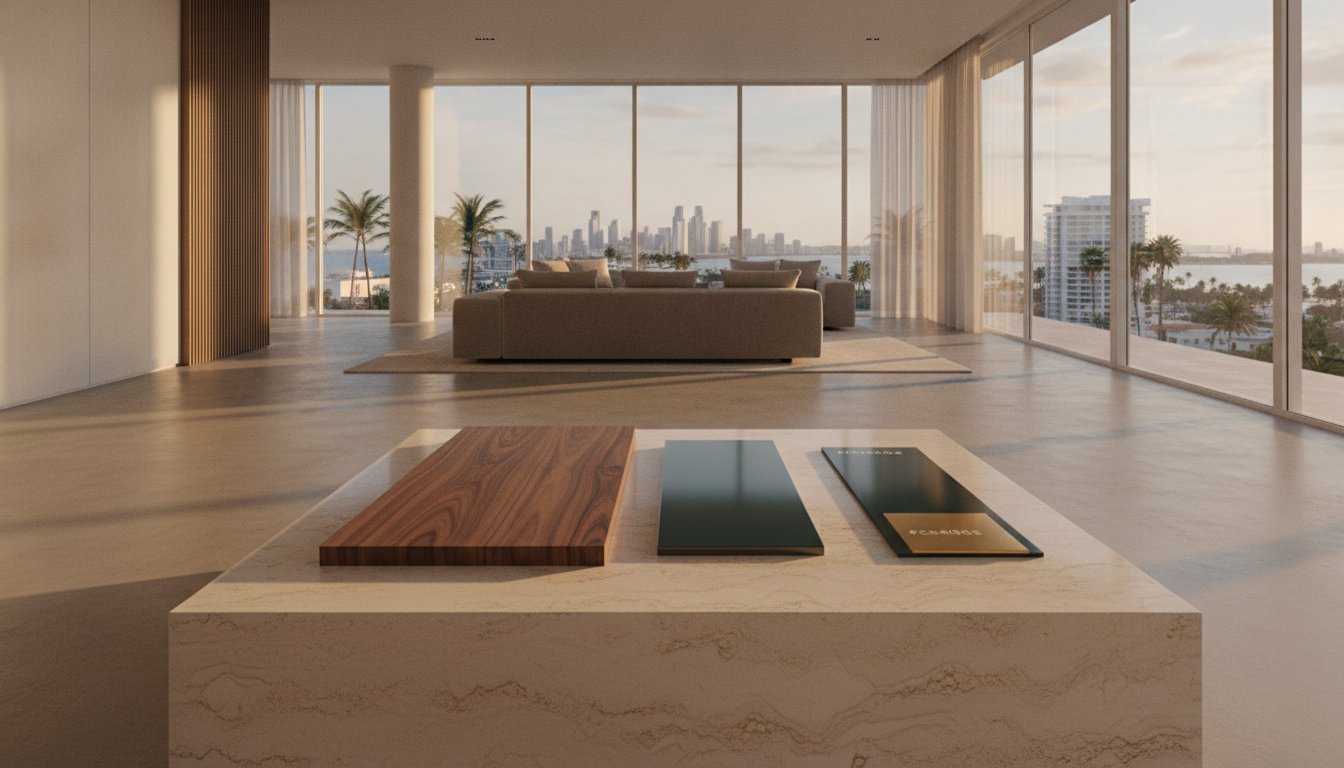
A truly luxury home isn't defined by the cost of its stone, but by the silent, sensory conversation between a porous travertine surface and the deep, hand-finished grain of Canaletto walnut. When you're surrounded by an endless sea of samples, it's easy to feel paralyzed by the fear of making a choice that feels dated before the decade is out. You're looking for more than just decor; you're seeking a sense of permanence and an atmosphere that reflects a world-class aesthetic. Mastering the use of authentic italian interior design materials requires moving beyond simple aesthetics to understand how light, shadow, and touch interact within a space.
We understand that visualizing how a cold marble slab will harmonize with warm, matte finishes can be a daunting task for even the most discerning eye. This masterclass will show you how to curate a cohesive, high-end environment through the expert selection of artisanal Italian materials and bespoke finishes. You'll gain the confidence to invest in textures that offer both immediate beauty and long-term durability. We'll examine the current shift toward tactile, natural surfaces and show you how to access exclusive procurement channels that transform a residence into a private, curated gallery.
Key Takeaways
- Learn how to distinguish and source authentic italian interior design materials to ensure your home remains timeless and avoids fleeting trends.
- Discover the "Core Four" framework to simplify the selection process and build a cohesive foundation for your residential or yacht project.
- Understand the sensory impact of finishes, including how specific textures can manipulate light and improve the acoustic harmony of a room.
- Master the art of balancing structural architecture with emotional resonance by selecting materials that serve as a bridge between the two.
- Gain insight into the benefits of direct manufacturer collaboration for accessing bespoke, non-public collections that elevate your space to a gallery-like level.
The Philosophy of Material and Finish Selection in Luxury Interiors
The foundation of a luxury home isn't just its blueprint; it's the visceral response triggered by the surfaces we touch and the light they reflect. Material selection acts as the essential bridge between cold structural architecture and the warmth of human emotion. In the landscape of 2026 design, the definition of luxury has shifted away from overt opulence toward a quiet, enduring permanence. This evolution prioritizes authenticity, where the raw honesty of natural stone and solid timber far outweighs the hollow perfection of synthetic imitations. Material selection is a curated narrative of texture and light.
When we curate italian interior design materials, we're drawing from a centuries-old history of Italian design that values the inherent soul of the medium. A slab of Calacatta marble or a plank of hand-planed oak carries a geological or biological history that synthetic porcelain simply cannot replicate. This connection to the earth creates a grounding effect in high-end spaces, ensuring the environment feels established rather than merely decorated. True sophistication lies in the subtle imperfections of a hand-applied plaster or the unique veining of a stone cut from a specific Tuscan quarry. These details tell a story of origin and craft that resonates on a subconscious level.
Defining Your Aesthetic Intent
Every successful interior begins with a clear understanding of the home's architectural bones. A mid-century modern villa in San Francisco demands a different material vocabulary than a mountain estate in Park City. We often begin by identifying a "hero" material. This might be a rare quartzite for a kitchen island or a deep-grained walnut for the library. This single choice anchors the visual weight of the room and dictates the direction for all subsequent finishes. Mood boards then become vital tools. They allow us to see how these primary choices interact with secondary finishes under varying light conditions. This process ensures that the final palette feels like a deliberate, cohesive thought rather than a collection of disparate trends.
Balancing Durability with Uncompromising Elegance
There's a common misconception that luxury materials are inherently delicate. On the contrary, the most prestigious italian interior design materials are often prized for their resilience and their ability to develop a beautiful patina over time. A high-performance natural stone might show the faint traces of life lived, but these marks add a layer of character that makes a house feel like a home. Our approach to residential interior design integrates these considerations from the earliest planning stages. We select finishes that don't just survive daily use; they thrive in it. Choosing a stone that ages gracefully ensures your investment retains its elegance for decades without requiring the constant replacement associated with lower-quality alternatives.
The Curated Palette: Sourcing Authentic Italian Stones, Woods, and Textiles
Sourcing the right materials is an exercise in deep discernment. It begins with the foundation, usually the flooring, which sets the tonal anchor for the entire residence. From there, we layer in vertical surfaces and decorative accents, creating a hierarchy that guides the eye through the space. Authentic italian interior design materials are the global benchmark because they possess an inherent depth that mass-produced alternatives lack. Whether it's a rare marble or a hand-rubbed timber, these elements provide the soul of the interior. The prestige associated with Made in Italy finishes stems from a culture that refuses to separate technical precision from artistic expression.
Currently, the market is seeing a definitive shift toward darker, more character-rich woods. While lighter oaks dominated previous years, 2026 has seen the resurgence of Canaletto walnut and deep-stained oaks that offer a sense of grounded permanence. These woods are often treated with hand-rubbed oils rather than thick lacquers to preserve the wood's natural breathability and texture. To complement these organic tones, we introduce "architectural jewelry" in the form of metal finishes. Burnished brass, hand-patinated bronze, and brushed nickel provide the necessary contrast, adding a sharp, refined edge to the softer textures of wood and stone.
Natural Stone and the Art of Bookmatching
In luxury kitchens and primary baths, natural stone is treated as functional art. We look for slabs with exceptional veining, such as Arabescato or specialized quartzites, that allow for bookmatching. This technical process involves mirroring two or more slabs so the veins line up perfectly, creating a seamless, symmetrical pattern. The choice of finish is equally critical. While polished surfaces offer a classic glow, we're increasingly specifying honed or leathered finishes for a more contemporary, tactile experience. These matte treatments highlight the stone's geological history without the distracting glare of high-gloss reflections.
Italian Fabric Sourcing and Bespoke Textiles
The final layer of a curated environment involves the textiles that soften the architectural lines of a room. Italian mills remain the undisputed leaders in luxury upholstery, producing linens, silks, and velvets with an unmatched hand-feel. These materials are not just about comfort; they're about how a fabric interacts with light and sound. Integrating these high-end textiles is a core component of custom furniture design, where the drape of a linen or the sheen of a silk velvet is tailored to the specific geometry of the piece. If you are ready to begin curating your own palette of world-class materials, our team can guide you through the exclusive procurement process.
Sensory Design: How Finishes Influence Light, Sound, and Atmosphere
A truly sophisticated interior engages more than just the eyes; it speaks to the skin and the ears. When we select italian interior design materials, we aren't just choosing colors. We're orchestrating an environment's acoustic and thermal profile. Hard, reflective surfaces like polished marble create a crisp, lively soundscape, while porous materials like travertine or upholstered wall panels dampen noise to create an intimate hush. This balance is vital in expansive residential projects where echo can detract from the feeling of sanctuary. Beyond the auditory, the thermal quality of a room changes based on your palette. Walking on a heated limestone floor provides a different psychological grounding than the natural warmth of a wide-plank oak. These temperature shifts influence how we perceive the 'comfort' of a high-end home.
The success of a space often rests on how lighting design interacts with textured wall finishes. A raking light cast across a hand-applied Venetian plaster or a fluted stone wall reveals depths and shadows that a flat paint would hide. Understanding The Essence of Italian Traditional Style helps us appreciate why certain material pairings, like cool bronze against warm velvet, have remained staples of luxury for centuries. It's this intentional friction between textures that prevents a room from feeling sterile or one-dimensional.
Reflectivity and the Play of Light
Gloss levels alter the perceived scale of a room more than color itself. High-shine finishes, such as polished onyx or lacquered cabinetry, expand a space by reflecting the surrounding environment. However, they can be visually loud. We often balance these with matte or "leathered" italian interior design materials to absorb excess glare. In darker corners, we strategically use metallic finishes like burnished brass or silver leaf to bounce ambient light deeper into the home, ensuring every square foot feels intentional and illuminated.
The Tactile Experience of a Luxury Home
The points of physical contact are the most critical selections in a home. These are the "handshakes" of the architecture. Custom handrails wrapped in hand-stitched leather or solid bronze hardware offer a weight and texture that suggest quality before the eye even registers the detail. We create interest through contrast, pairing a rough, split-face stone fireplace with a smooth, silk-blend rug. This sensory variety is what makes a home feel curated rather than manufactured. Even the hidden details, such as the velvet-lined interiors of custom cabinetry, contribute to a pervasive sense of understated luxury that the homeowner experiences daily.

Navigating the Selection Process: A Masterclass for Homeowners
The transition from an abstract concept to a tangible reality requires a disciplined, multi-step methodology. Selecting the right italian interior design materials is only half the battle; the other half is ensuring they perform in your specific environment. We guide our clients through a structured five-step process to eliminate the paralysis of choice and ensure a timeless result.
- Step 1: Establish the 'Core Four'. We begin by selecting the primary surfaces: flooring, wall treatments, cabinetry, and countertops. These elements occupy the most visual real estate and define the home's tonal foundation.
- Step 2: Curate the secondary layer. Once the foundation is set, we layer in accents, including bespoke hardware, decorative lighting, and specialized textiles.
- Step 3: Environmental Review. We never finalize a selection without observing physical samples in the actual project site. Digital renders are helpful, but they cannot replicate the way a specific grain or vein reacts to local light.
- Step 4: Professional Procurement. We translate the vision into a comprehensive specification document. This is critical for ensuring that the exact grade and finish of the material are sourced from our Italian partners.
- Step 5: Quality Control. Our oversight continues through the build phase, where we monitor the installation to ensure the artisanal integrity of the materials is preserved.
Testing Samples in Local Light Conditions
Light is a living element that changes based on geography. The intense, crystalline light of a Park City winter, reflecting off vast snowfields, will reveal blue undertones in a marble slab that might appear perfectly neutral in a showroom. Conversely, the golden, humid light of Miami can make certain woods appear overly warm. A material's longevity is also linked to its climate. In coastal regions, the salt air and humidity dictate the use of specific sealants for natural stones, while high-altitude environments require woods that can withstand extreme shifts in moisture levels. We insist on observing samples at dawn, noon, and dusk to ensure the atmosphere remains harmonious at all hours.
Creating a Cohesive Material Board
A cohesive home feels like a single, unfolding story rather than a series of disconnected chapters. To achieve this, we often apply the 60-30-10 rule to material distribution. Sixty percent of the space is dedicated to primary materials like limestone flooring or plaster walls. Thirty percent focuses on secondary textures like walnut cabinetry, while the final ten percent is reserved for "jewelry" like onyx accents or burnished bronze. Leading interior design firms use this balance to create a sense of rhythm and flow between rooms. If you are ready to move beyond the overwhelming world of endless options, our team is ready to curate your bespoke material palette and manage every technical detail of the procurement process.
The Pianta Advantage: Bespoke Sourcing and Italian Craftsmanship
Thirty years of industry experience translates into more than just a refined aesthetic. It represents a legacy of trust and a deeply rooted network of relationships with the most prestigious manufacturers across Italy. Sourcing italian interior design materials at this level requires a level of access that isn't available in public showrooms or standard retail channels. Our clients gain entry to exclusive, non-public collections, where the materials are often produced in limited runs or as one-of-a-kind commissions. This direct collaboration ensures that the provenance of every stone slab and every yard of silk is verified, protecting the integrity of your investment from the very start.
Professional procurement is the silent engine behind a successful luxury project. It's the difference between a material that merely looks the part and one that possesses the structural and chemical excellence required for a high-performance environment. We leverage our three decades of expertise to navigate the nuances of material grading, ensuring that the specific walnut grain or marble density matches the technical demands of its intended use. This meticulous approach ensures that every selection aligns perfectly with your unique lifestyle, whether you're hosting large-scale events in Miami or seeking a quiet, durable sanctuary in the mountains of Park City.
From Concept to White-Glove Installation
The journey from an Italian quarry to a residence in San Francisco involves a complex web of logistics. We manage every facet of international shipping, customs clearance, and local transport, shielding our clients from the volatility of global supply chains. However, sourcing is only the beginning. The role of a dedicated interior designer is essential when working with a complex material palette. We oversee the technical installation of these finishes, ensuring that the bookmatching of stone is precise and that the tension of bespoke upholstery is flawless. Our project management ensures that the artisanal intent of the manufacturer is preserved through the final day of the build.
Start Your Design Journey
A home should be a reflection of your personal narrative, told through the world's most exquisite textures and forms. With a presence in California, Florida, and Utah, our firm is uniquely positioned to handle the environmental and logistical challenges of premier residential, commercial, and yacht projects. We invite you to explore our portfolio to see how these italian interior design materials come together to create environments of unparalleled sophistication. The path to a curated, gallery-like home begins with a single conversation about your vision and the legacy you wish to build within your walls. Consult with Pianta Design on your next project to discover the transformative power of authentic Italian craftsmanship.
Defining Your Architectural Legacy
A home's true character isn't found in its square footage, but in the enduring quality of its surfaces. Trends fade. By treating material selection as a bridge between structural intent and human emotion, you create a sanctuary that transcends fleeting aesthetics. We've explored how the sensory interplay of light and sound, combined with a disciplined selection process, ensures your environment feels both cohesive and gallery-like. The intentional use of authentic italian interior design materials serves as the definitive foundation for this level of refinement.
With 30 years of luxury design expertise and exclusive Italian manufacturing partnerships, Pianta Design brings a world-class perspective to every project. Our award-winning portfolio across San Francisco, Miami, and Park City demonstrates our commitment to authenticity and technical precision. We're here to guide you through the complexities of international procurement and bespoke craftsmanship. Elevate your home with bespoke material selection from Pianta Design and begin the journey of creating a space that resonates with your unique lifestyle. Your vision deserves the permanence and beauty that only the finest materials can provide.
Frequently Asked Questions
How do I choose the right flooring for a high-traffic luxury home?
Selection should prioritize geological hardness and density without sacrificing visual warmth. For high-traffic residential areas, we often recommend honed limestones or high-performance European oaks that can be refinished over time. These materials provide a durable foundation that withstands the rigors of daily life while maintaining a prestigious, gallery-like aesthetic.
What is the difference between an interior finish and a material?
A material is the raw substance itself, such as Calacatta marble or solid walnut, while the finish is the final surface treatment applied to that substance. For example, a single marble slab can have a polished, honed, or leathered finish. This treatment is what dictates how the surface reflects light and how it feels when you touch it.
How does the climate in Park City affect my choice of natural wood finishes?
The arid climate and extreme temperature shifts in Park City require woods that can manage significant moisture fluctuations. We typically specify engineered Italian timbers with a thick solid wear layer to prevent the warping or cracking common in dry mountain air. Using breathable, hand-rubbed oils rather than sealed lacquers allows the wood to adapt more gracefully to the environment.
Should I select my furniture or my finishes first?
You should always prioritize your architectural finishes first, as they form the permanent foundation of your environment. Flooring, wall treatments, and cabinetry create the tonal background that dictates all subsequent furniture selections. It's much easier to source a bespoke sofa to match a specific marble floor than it is to find a rare stone that happens to fit a pre-purchased chair.
Is natural stone harder to maintain than synthetic alternatives?
Natural stone requires more intentional care than synthetic porcelain, but it offers a depth and patina that imitations simply cannot match. Periodic sealing and the use of pH-neutral cleaners are necessary to protect the surface from etching. Many homeowners find that the way natural stone ages actually enhances the home's character and soul over time.
How do I ensure my material choices don't go out of style?
To ensure longevity, focus on authenticity and materials that have a deep historical precedent in luxury design. Avoid hyper-specific color trends or synthetic lookalikes that often feel dated within a few years. Natural, earth-derived italian interior design materials like travertine, oak, and bronze have remained the global standard of elegance for centuries.
What is the benefit of sourcing materials from Italian manufacturers?
Sourcing directly from Italy provides access to artisanal techniques and exclusive grades of italian interior design materials that are not available through standard retail channels. Italy's centuries-old history of craftsmanship means these producers have perfected the balance of technical precision and artistic soul. Our 30-year relationships allow us to secure non-public collections for our clients.
Can I mix different metal finishes in the same room?
Mixing metal finishes is actually encouraged to add layers of architectural jewelry and prevent a room from looking like a flat showroom set. We suggest choosing one dominant metal, such as burnished brass, and pairing it with a secondary accent like brushed nickel or bronze. This intentional contrast creates a more curated, sophisticated, and lived-in sense of luxury.
