
Luxury Hospitality Interior Design: Creating Immersive Guest Sanctuaries in 2026
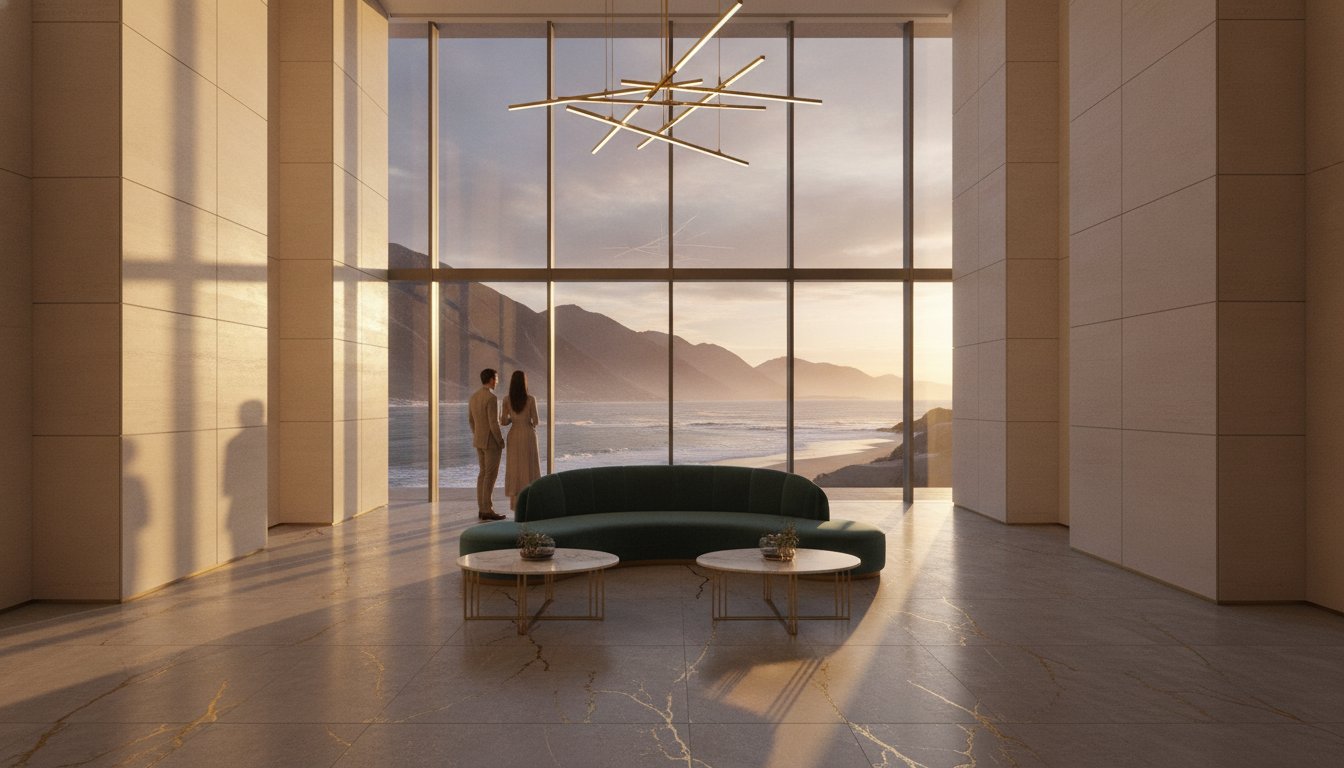
In 2026, the true measure of a hotel's success isn't found in its square footage, but in the silent, emotional resonance it creates within a guest. A world-class property should function as a sanctuary where every texture and light fixture facilitates a sense of personal transformation. You've likely felt the frustration when a brand story feels disconnected or when the logistics of sourcing unique, durable materials for a high-traffic lobby become overwhelming. It's a delicate challenge to balance aesthetic vision with the technical precision required for a seamless international build-out.
This article explores how sophisticated luxury hospitality interior design transforms resorts into immersive retreats through strategic space planning and exclusive Italian craftsmanship. You'll discover how to navigate the complexities of procurement and design to create environments that command premium rates. We'll examine the integration of bespoke furnishings and the residential-feel trend that's redefining the global standard for elite guest experiences.
Key Takeaways
- Learn how the shift toward "meaningful luxury" allows properties to move beyond superficial aesthetics to create deep emotional connections with guests.
- Master the art of the "Arrival Arc" to curate the critical first 30 seconds of the guest experience through strategic space planning and intuitive movement.
- Elevate your property’s status by integrating exclusive Italian materials and bespoke luxury hospitality interior design that commands premium rates.
- Discover market-specific design strategies that blend regional character, such as Miami’s vibrant light or San Francisco’s historic charm, with global luxury standards.
- Gain insights into the seamless execution of international build-outs through full-service procurement and expert construction oversight from concept to delivery.
The Evolution of Luxury Hospitality Interior Design: From Stay to Sanctuary
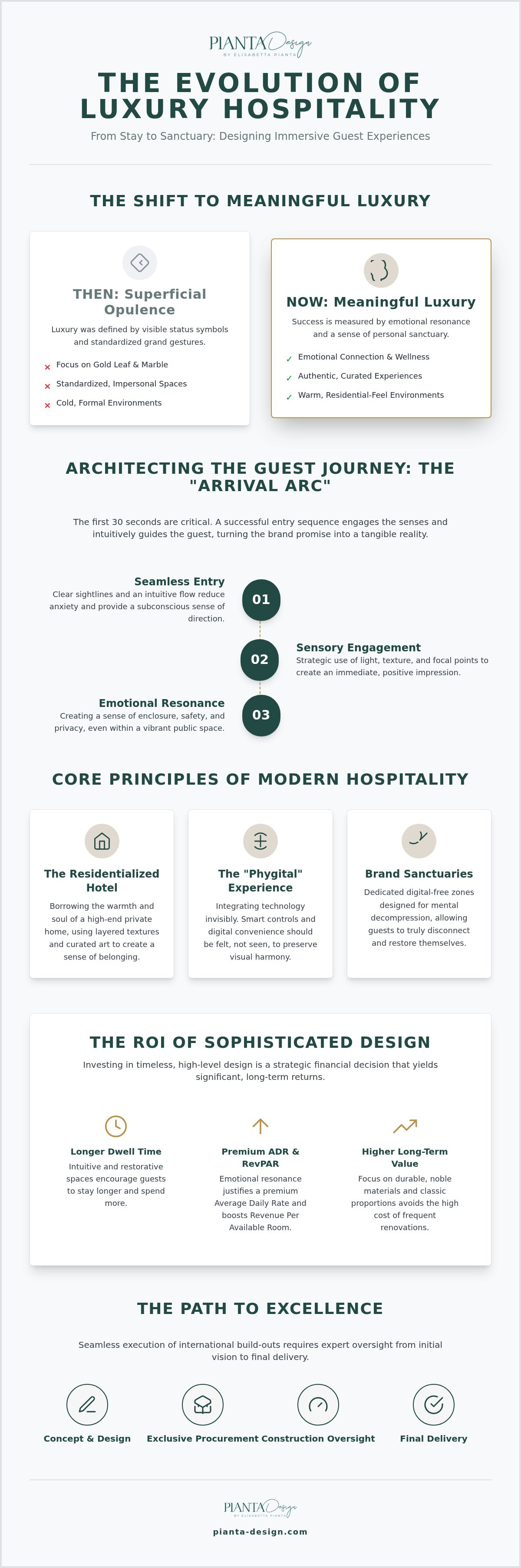
The landscape of high-end travel has undergone a profound shift. It's no longer enough to offer a place to sleep; elite properties must now offer a place to be. Modern luxury hospitality interior design has moved beyond the era of superficial opulence, where gold leaf and marble were the primary markers of status. Today, the most successful hotels and resorts function as tools for brand transformation and guest wellness. They're designed to facilitate a sense of profound calm, acting as a physical extension of a guest's desire for restoration and privacy.
By 2026, travelers are prioritizing "meaningful luxury" over grand gestures. This shift reflects a deeper desire for authenticity, where the narrative of a space is just as important as its aesthetic appeal. The evolution of hotel design has moved away from standardized luxury toward a more intimate, curated experience. We're seeing the rise of the "Residentialized Hotel," a concept that borrows the warmth and soul of a high-end private home and translates it into the scale of a lobby or suite. It's about creating a sense of belonging through familiar comforts, such as layered textures and curated art, rather than the cold formality of traditional commercial spaces.
Hospitality design is the architectural manifestation of a brand’s promise.
Designing for the "Phygital" Guest Experience
The modern guest exists in a "phygital" world, where digital convenience must coexist with physical beauty. Achieving this balance requires integrating technology invisibly so it never disrupts the visual harmony of the room. Smart lighting and climate controls should be felt, not seen, hidden within elegant, timeless environments. Many properties are now creating dedicated "Brand Sanctuaries." These are digital-free zones designed specifically for mental decompression. Sophisticated commercial interior design plays a critical role here, especially in hybrid spaces that must function as both a high-performance workplace and a relaxing hospitality lounge without losing their soul.
The ROI of Sophisticated Hospitality Environments
Investing in high-level design isn't merely an aesthetic choice; it's a strategic financial decision. There's a direct correlation between the quality of a lounge or restaurant environment and the dwell time of a guest. When a space feels intuitive and restorative, guests stay longer and spend more. This emotional resonance is what allows a property to justify a premium Average Daily Rate (ADR) and maintain a healthy Revenue Per Available Room (RevPAR). Timeless luxury hospitality interior design provides a much higher return on investment than chasing fleeting trends. By focusing on durable, noble materials and classic proportions, owners avoid the high cost of frequent renovations and ensure their property remains a destination of choice for decades.
Strategic Space Planning: Architecting the Emotional Guest Journey
The first thirty seconds after a guest crosses the threshold are the most critical in luxury hospitality interior design. This "Arrival Arc" isn't merely a physical entry point; it's the moment the brand promise becomes a tangible reality. A successful entry sequence engages the senses without overwhelming them. It uses clear sightlines to draw the eye toward a central masterpiece while simultaneously offering a sense of enclosure and safety. Intuitive flow reduces guest anxiety by providing a subconscious sense of direction in unfamiliar spaces.
Effective space planning acts as an invisible hand, guiding movement naturally through the property. We distinguish between circulation, which facilitates effortless transition, and stagnation, where poorly placed furniture or narrow corridors create friction. The psychology of zoning is vital here, as it defines how luxury hospitality interior design creates separate emotional states within a single floor plan. A lobby should hum with public vibrancy, yet it must also offer pockets of private intimacy where a guest can feel completely secluded while still being part of the environment.
The Transition from Lobby to Lounge
Spaces in 2026 are no longer static. A morning coffee lounge must seamlessly evolve into a sophisticated evening cocktail bar through shifts in lighting and furniture configuration. We often incorporate "architectural speed bumps", subtle changes in flooring texture or the placement of a sculptural console, to slow the guest's pace. This intentional deceleration encourages them to linger and appreciate the craftsmanship. For high-profile visitors, discreet alcoves allow for private VIP check-ins, maintaining the sanctuary feel even during peak hours.
Intuitive Wayfinding through Design
True luxury replaces intrusive signage with intuitive wayfinding. Instead of arrows, we use material shifts, perhaps a transition from polished stone to hand-tufted wool, to signal a change in room function. Sophisticated lighting design is equally powerful, using pools of warmth to highlight paths and architectural features. This approach ensures that the back-of-house service flow remains entirely separate. It allows staff to move efficiently without ever disrupting the guest's peaceful experience.
Achieving this level of precision requires an eye for both the grand gesture and the intimate detail. If you're ready to elevate your property's flow, exploring bespoke interior architecture can provide the clarity your project deserves.
Materiality and Bespoke Craftsmanship: The Italian Advantage
True luxury is felt before it is seen. When a guest runs their hand along a vein-cut travertine desk or sinks into a hand-tufted wool rug, they're receiving a silent message about the property's values. In the world of luxury hospitality interior design, materiality serves as the primary language of quality. We move beyond the generic to source noble materials that possess a soul, such as hand-carved walnut, heavy-weight Italian velvets, and rare stones that tell a geological story. These tactile surfaces don't just look beautiful; they influence the guest's subconscious perception of comfort and exclusivity.
The hallmark of a flagship property lies in its refusal to use off-the-shelf solutions. This is where custom furniture design becomes an essential tool for brand differentiation. Every piece of furniture should be treated as a functional sculpture, tailored to the specific proportions and narrative of the room. This bespoke approach ensures that the guest experience is entirely unique, impossible to replicate in another hotel. Furthermore, luxury in a high-traffic environment must be durable. We select commercial-grade finishes that don't just resist wear but age with a certain grace, developing a patina that adds character rather than appearing worn out.
The Pianta Procurement Network
Our ability to deliver these environments rests on the Pianta Procurement Network, built over thirty years of deep industry experience. We maintain exclusive relationships with premier Italian manufacturers, allowing us to source materials and furnishings that are often inaccessible to the general market. This direct factory oversight is critical for quality control. It ensures that every bespoke lighting fixture or custom-milled panel meets our exact technical and aesthetic standards. By managing the process from the initial sketch to white-glove delivery, we eliminate the risks of international build-outs and ensure the creative vision remains uncompromised.
Sensory Branding through Material Selection
Effective luxury hospitality interior design considers the entire sensory spectrum. Acoustics are a vital but often overlooked component of the sanctuary experience. We use soft materials, acoustic wall coverings, and heavy drapery to create quiet, exclusive environments where the outside world simply fades away. This focus on touch and sound is complemented by our art consultation services. We select pieces that reflect the local culture and the property’s unique history, ensuring the space feels grounded in its location. Every material choice, from the scent of the leather to the weight of the hardware, is a deliberate step toward creating a cohesive, life-affirming environment.
Designing for Distinctive Markets: San Francisco, Miami, and Park City
Luxury is not a universal monolith. A successful luxury hospitality interior design must be a visceral reflection of its geography, speaking the specific language of its surroundings while maintaining a global standard of excellence. In Miami, this often translates to high-energy vibrancy and a masterclass in natural light. We design these spaces to facilitate a seamless indoor-outdoor flow, where the transition from a sun-drenched terrace to a cool, shaded lounge feels like a single, continuous breath. It's about capturing the coastal spirit through noble materials that can withstand the salt and humidity without losing their refined edge.
San Francisco requires a more cerebral approach, blending historic architectural preservation with tech-forward sophistication. The "Bay Area aesthetic" is defined by a quiet, intellectual luxury that values artisanal details and sustainable innovation. Navigating local regulations is a critical layer of this process. In California, our teams manage strict ADA compliance, Title 24 energy codes, and seismic safety standards, ensuring that the beauty of the design is matched by its structural integrity. Similarly, in Florida, we prioritize hurricane-rated materials and climate-specific durability to protect the investment of the modern developer.
Park City demands "mountain-modern" sanctuaries that feel cozy yet expansive. These spaces use heavy timbers and stone to ground the guest, yet they incorporate vast glass elevations to keep them connected to the alpine landscape. If you're planning a development in these distinctive markets, consult with our regional design experts to ensure your vision meets local excellence.
Adapting to Local Consumer Psychology
The emotional driver of a guest in Miami is often "The Scene"-a desire for social vibrancy and visibility. Conversely, the Park City traveler is looking for "The Retreat," prioritizing intimacy, warmth, and a quiet connection to nature. We also see Salt Lake City emerging as a sophisticated hub for boutique hospitality and refined lounges, requiring a design language that bridges urban energy with mountain serenity. Understanding these psychological nuances allows us to tailor the luxury hospitality interior design to the specific expectations of the target demographic.
Sustainability as a Standard in 2026
By 2026, sustainability has moved from a niche requirement to an absolute standard. We integrate LEED-certified practices into our projects without ever compromising on the sensory experience. This involves sourcing eco-conscious Italian materials, such as recycled glass composites or FSC-certified woods, that maintain a premium feel. Biophilic design plays a central role here, as we bring the natural world into the sanctuary through living walls and organic textures. This connection to nature isn't just an aesthetic choice; it's a proven method for enhancing guest wellness and creating a truly life-affirming environment.
The Path to Excellence: Partnering with a Full-Service Hospitality Design Firm
Creating a world-class guest sanctuary requires more than a grand vision; it demands a partnership rooted in technical mastery and aesthetic precision. Engaging a specialized interior designer during the pre-construction phase is a strategic necessity. This early collaboration allows us to influence the interior architecture, ensuring that the spatial logic and brand narrative are baked into the property's bones. It's during these initial stages that we bridge the gap between conceptual 3D visualization and the practical realities of on-site construction oversight.
The execution of luxury hospitality interior design is a high-stakes endeavor that involves managing invisible complexities. International procurement and logistics, particularly when sourcing exclusive Italian furnishings, require a level of oversight that goes far beyond simple ordering. We protect the owner's ROI by ensuring that the original design intent remains uncompromised through the long journey from a factory in Milan to a suite in Park City. This rigorous project management prevents the dilution of the guest experience, ensuring every detail serves the overarching brand promise.
The Pianta Design Process for Hospitality
Our methodology is a disciplined progression from abstract thought to physical reality. It begins with Phase 1: Deep brand discovery and spatial programming, where we define the emotional arc of the guest journey. Phase 2 focuses on the technical core, involving Italian sourcing, meticulous material selection, and precise technical drafting. This stage ensures that every bespoke element is engineered for both beauty and commercial durability. Finally, Phase 3 culminates in white-glove installation and a final art consultation, where the space is polished into its most refined, life-affirming form.
Why 30 Years of Experience is the Ultimate Asset
Three decades of industry leadership allow us to predict and mitigate the common pitfalls that often plague commercial hotel build-outs. We've spent years curating a network of elite contractors and artisans who understand the uncompromising standards of luxury hospitality interior design. This experience is what allows us to translate complex brand values into three-dimensional guest experiences that feel both inevitable and inspired. We don't just design rooms; we architect the quiet moments of wonder that define a guest's memory of a property. By balancing creative passion with technical discipline, we ensure that the final result is a seamless manifestation of the brand’s highest aspirations.
Architecting the Future of Hospitality Excellence
The transition from a standard hotel stay to a transformative guest sanctuary requires a rare blend of artistic intuition and technical discipline. The most successful properties in 2026 will be those that prioritize emotional resonance through intuitive space planning and the quiet power of noble materials. By anchoring your vision in authentic Italian craftsmanship and market-specific narratives, you create an environment that doesn't just attract guests but changes their state of being. This level of luxury hospitality interior design ensures your property remains a timeless benchmark in an evolving global landscape.
Pianta Design brings over 30 years of elite expertise to every project, leveraging direct partnerships with premier Italian manufacturers to deliver bespoke solutions. Whether you're developing in the vibrant light of Miami, the historic streets of San Francisco, or the alpine heights of Park City, our full-service approach protects your vision from concept to white-glove completion. It's time to move beyond the expected and create a destination that speaks to the soul of the modern traveler. Architect your guest sanctuary with Pianta Design’s premier hospitality services. We look forward to bringing your flagship vision to life with the precision and passion it deserves.
Frequently Asked Questions
What is the difference between residential and luxury hospitality interior design?
Hospitality design focuses on creating a cohesive brand narrative that withstands high-traffic commercial use, while residential design is an intimate reflection of an individual's personal life. In luxury hospitality interior design, we prioritize commercial-grade durability and safety regulations without losing the soulful warmth of a private home. The scale is much broader, requiring a strategic balance between public vibrancy in lounges and absolute privacy in guest sanctuaries.
How much does luxury hospitality interior design cost per key in 2026?
Industry data for 2026 suggests that luxury or boutique hotel suites typically range from $20,000 to over $80,000 per room, depending on the level of customization and material quality. Standard luxury rooms often fall between $5,000 and $25,000 for furnishings alone. These figures reflect a global increase in material costs of approximately 8% to 12% this year. Final investments depend on the specific architectural requirements and bespoke furniture selections.
How long does a boutique hotel renovation typically take from concept to opening?
A comprehensive boutique renovation usually spans twelve to twenty-four months from the initial brand discovery phase to the final white-glove installation. The first six months are often dedicated to spatial programming and technical drafting. Sourcing bespoke Italian materials and managing international logistics adds a necessary layer of time to ensure quality. This measured pace is essential for coordinating with elite contractors and ensuring every detail aligns with the property's sanctuary vision.
Why should I hire a full-service design firm instead of separate consultants?
Hiring a full-service firm ensures a singular, uncompromised design vision and a more efficient project workflow. When separate consultants handle lighting, procurement, and architecture, the brand story often becomes fragmented. A full-service approach provides a single point of accountability, reducing the project management burden on the owner. This cohesion is critical for delivering a seamless guest journey where every element, from the custom furniture to the lighting, feels intentional.
How does interior design impact a hotel’s RevPAR?
Sophisticated design directly influences Revenue Per Available Room (RevPAR) by creating an emotional resonance that justifies premium daily rates. When guests feel a deep sense of well-being and exclusivity, they're more likely to book higher-tier suites and linger in revenue-generating lounges. High-quality environments foster brand loyalty and positive digital sentiment, which are key drivers of occupancy and rate growth in competitive luxury markets like Miami or San Francisco.
Can Pianta Design source custom furniture from Italy for my hospitality project?
Yes, we utilize exclusive partnerships with premier Italian manufacturers to provide bespoke furniture solutions for every project. This direct factory access allows us to create functional sculptures that are tailored to your property’s specific narrative and proportions. By managing the procurement process from the initial sketch to on-site delivery, we ensure that your furnishings meet elite standards of craftsmanship that are simply unavailable through traditional commercial catalogs.
Do you handle construction oversight and project management for commercial hospitality?
We provide full-service construction oversight and project management to ensure the design vision is executed with technical precision. Our team manages the complexities of international logistics and coordinates with local contractors to mitigate common build-out pitfalls. This rigorous supervision protects the owner’s investment and ensures that the final sanctuary is delivered on time, meeting all local regulations and safety standards without compromising the aesthetic integrity of the space.
What are the top hospitality design trends for 2026?
The defining trends of 2026 include the "Residentialized Hotel" movement and a focus on "Phygital" guest experiences that blend invisible technology with noble materials. Sustainability has become an essential standard, with developers prioritizing LEED-certified practices and biophilic elements like living walls. We’re also seeing a shift toward grounded color palettes, featuring terracotta and olive green, paired with layered textures such as soft bouclé to create a profound sense of warmth and sanctuary.
