
Designing with Natural Materials for a Timeless Look: The 2026 Luxury Guide
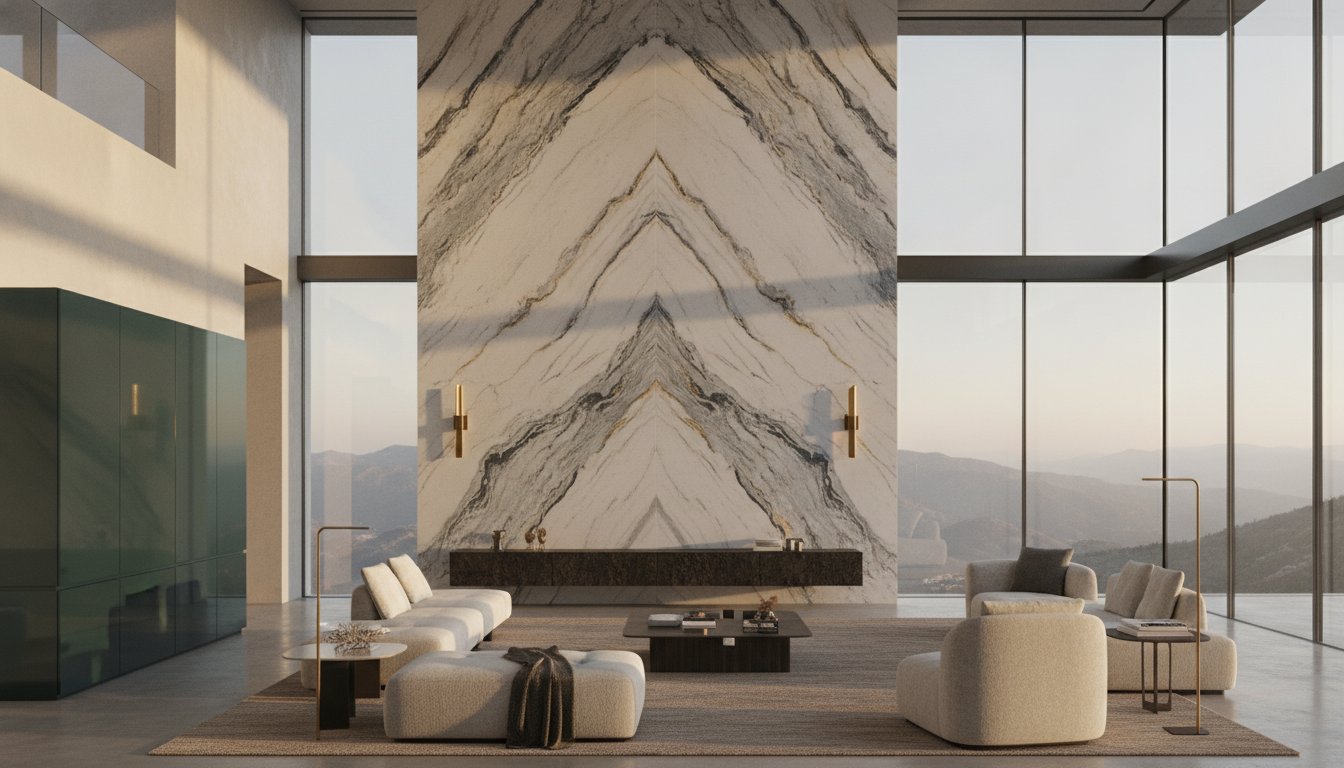
The most expensive mistake in luxury design isn't choosing the wrong color; it's choosing a material that carries a hidden expiration date. You likely feel the pressure of a fast-moving market where today's "must-have" finish becomes tomorrow's renovation project. Designing with natural materials for a timeless look is the only way to escape this cycle of planned obsolescence. It's about moving beyond the predictable and embracing the unrepeatable patterns of hand-selected Italian marble or the deep, grounding presence of artisanal wood.
We understand the hesitation that comes with choosing between the convenience of engineered surfaces and the soul of raw, authentic elements. You deserve a sanctuary that balances organic textures with high-end sophistication without feeling cluttered or dated. This guide provides a masterclass in anchoring your home in enduring quality. You'll discover how to create a cohesive design strategy that blends architecture with nature, ensuring your space reflects a global perspective and a personal legacy that matures with grace. We'll examine the financial and aesthetic ROI of authentic materials and give you the confidence to select bespoke finishes that define the 2026 luxury landscape.
Key Takeaways
- Learn why designing with natural materials for a timeless look requires prioritizing material honesty over synthetic trends to ensure your home matures with grace.
- Discover how to anchor modern spaces using the "Core Trio" of natural stone, wood, and metal to create a sense of tactile luxury and visual permanence.
- Understand the influence of regional light and geography on your palette, ensuring finishes harmonize with the specific environments of Miami, San Francisco, or Park City.
- Master the 60-30-10 rule for textures to balance base, secondary, and accent materials while maintaining a sophisticated, cohesive atmosphere.
- Gain insight into the "Italian Connection" and how direct access to exclusive European quarries and mills elevates a residential project into a unique work of art.
The Architecture of Permanence: Why Natural Materials Define Timeless Design
Designing with natural materials for a timeless look begins with a commitment to material honesty. In the context of high-end design, a timeless aesthetic isn't a static snapshot of the past. It's a living balance where form and function merge through the use of elements that don't need to apologize for what they are. When we speak of permanence, we're discussing the shift from fleeting trends to a design language that remains relevant across decades. This philosophy requires a deep understanding of how materials interact with light, space, and the people who inhabit them.
Natural stone, solid timber, and heavy wool possess an inherent visual weight that synthetic alternatives simply can't replicate. While engineered products might mimic a pattern, they lack the structural density and light-refractive qualities of natural building materials. This gravity is what grounds a room. It creates a sense of security and history, anchoring the architecture in something far deeper than a seasonal catalog. Synthetics often feel hollow because they lack the geological or biological history that stone and wood carry in every grain and vein.
One of the most profound benefits of this approach is what we call the patina of time. Unlike synthetic finishes that degrade and require replacement, natural materials evolve. A marble countertop might gather subtle etchings from years of shared meals; a wide-plank oak floor develops a soft luster from decades of footsteps. These aren't defects. They're the chronological narrative of a home. Within the sphere of residential interior design, this evolution is what transforms a house into a legacy that feels more valuable as it ages.
The Psychology of Natural Textures
Biophilic design isn't just a design preference; it's a physiological necessity. High-end spaces often risk feeling cold or museum-like, yet the introduction of organic textures immediately fosters a sense of calm. Tactile luxury, often referred to as the "hand" of a material, is vital. You don't just see a room; you feel it through the grain of the wood or the coolness of the stone. Surrounding ourselves with organic elements bridges the gap between our modern lives and our primal need for connection with the earth.
Escaping the Trend Cycle
The trap of "fast-furniture" and composite materials like MDF or thin veneers is that they lack a soul. They're designed for the moment, not the millennium. Authenticity is the cornerstone of a home's legacy. By embracing a "quiet luxury" approach, you can achieve sophistication through low-contrast, high-quality material palettes that don't shout for attention. Designing with natural materials for a timeless look ensures that your environment remains a testament to refined taste, long after the latest digital trends have faded into obscurity.
The Core Trio: Stone, Wood, and Metal as the Luxury Anchor
The foundation of an enduring interior rests upon a carefully curated trinity: stone, wood, and metal. Designing with natural materials for a timeless look involves more than just selecting beautiful objects; it's about establishing a material hierarchy where each element supports the others. This trio provides the structural and aesthetic weight necessary to anchor a room, ensuring the architecture feels intentional rather than merely decorated. When these elements are sourced with an eye for authenticity, they create a sensory experience that synthetic alternatives can't hope to match.
Natural Stone: The Unrepeatable Masterpiece
Natural stone acts as the room's silent protagonist. Whether it's the dramatic veining of Calacatta marble or the understated, resilient elegance of Taj Mahal quartzite, stone brings an unrepeatable history into the home. Calacatta remains a favorite for its classic, high-contrast beauty, yet Taj Mahal is increasingly prized for its incredible durability and soft, luminous depth. The choice of finish is equally critical. A polished surface reflects light for a formal, gallery-like atmosphere, while a honed finish offers a matte, organic feel that's soft to the touch. This lasting appeal and inherent value are why premium stone remains a top request for interior design firms working at the highest level of residential luxury.
The Warmth of Solid Wood
If stone is the "hero," wood is the element that breathes life and warmth into modern architecture. In high-end space planning, solid wood outperforms engineered options because of its ability to be refinished and its superior tactile quality. We often match wood grains to the specific architectural language of the project. Rift-sawn White Oak provides the clean, linear precision required for minimalist San Francisco estates, while character-grade Walnut or Teak adds the rugged sophistication desired in mountain retreats. Our philosophy emphasizes the use of sustainably sourced Italian timber, recognizing that advancements in Sustainable Materials and Technology allow us to honor the environment while creating heirlooms. If you're beginning a renovation, our expertise in Material and Finish Selection ensures every slab and plank is chosen with a master's eye.
Living Metals and Synthesis
To complete the anchor, we introduce "living metals" like unlacquered brass, copper, and bronze. Unlike factory-sealed finishes, these metals oxidize and develop a unique patina based on the home's environment and the touch of its inhabitants. They provide the necessary "jewelry" for a space, adding a layer of technical precision to the organic textures of stone and wood. These materials are the soul of custom furniture design, where a bronze inlay or a hand-forged handle can elevate a simple piece of cabinetry into a bespoke work of art. Designing with natural materials for a timeless look requires this thoughtful synthesis, ensuring that every surface tells a story of quality and craftsmanship.
Regional Materiality: Curating for San Francisco, Miami, and Park City
Geography isn't merely a backdrop; it's a silent partner in the architectural process. Designing with natural materials for a timeless look requires an intimate understanding of how local light interacts with specific surfaces. A Carrara marble slab that radiates brilliance under the Miami sun might appear cold and clinical in the diffused, blue-toned light of a San Francisco afternoon. This is why testing material samples "in situ" is a non-negotiable step in our process. We observe how the stone, wood, and metal respond to the specific light temperature of the site at different times of the day, ensuring the palette resonates with its environment.
San Francisco & The Bay Area: Textural Depth for the Mist
In Northern California, the light is often filtered through coastal fog, creating a soft but cool atmosphere. To counter this, we lean into warm wood tones and textured stones like limestone or slate. These materials provide the necessary grounding for San Francisco design aesthetics, offering a sense of permanence against the shifting elements. We often incorporate natural fibers like wool and mohair to add a layer of tactile coziness that softens the modern lines of the architecture. These materials don't just look warm; they provide physical comfort during the Bay Area's brisk evenings.
Miami & Florida: Cool Stone and Tropical Sophistication
Miami's high-intensity Atlantic sun demands a different strategy. Here, we utilize high-reflectivity marbles and light-toned stones that naturally keep interiors cool while bouncing light deep into the living spaces. Designing with natural materials for a timeless look in Florida often involves integrating teak and specialized stones to create a seamless transition between the home and luxury yacht interior design standards. We carefully select natural materials that thrive in high humidity, focusing on density and breathability to ensure the home remains as resilient as it is beautiful.
Park City & Utah: Mountain Modern Earth Tones
The rugged scale of the Wasatch Range inspires a bolder, more saturated materiality. In Park City, we balance expansive glass walls with reclaimed wood and heavy granite to mirror the surrounding peaks. Saturated earth tones, such as ochre, forest green, and charcoal, provide "visual warmth" during snowy winters. These timeless design concepts ensure the home feels like an organic extension of the mountain itself. By using heavy textures and deeply grained woods, we create a sanctuary that feels protected and grounded, regardless of the weather outside.

Masterful Synthesis: Mixing Textures for Tonal Depth and Sophistication
The orchestration of a home's material palette requires a conductor's precision. Designing with natural materials for a timeless look depends on the successful synthesis of seemingly disparate elements. It's not enough to simply choose high-quality components; you must understand how they converse with one another. When we mix materials, we're creating a sensory narrative that guides the eye through the space, using contrast to define the very essence of interior architecture and form.
To achieve this, we apply the 60-30-10 rule to the material landscape. Sixty percent of the room is dedicated to your base texture, typically the flooring or large-scale wall treatments like honed stone or wide-plank oak. Thirty percent consists of secondary textures found in cabinetry, large rugs, or upholstered furniture. The final ten percent is reserved for accent textures; think of the glint of unlacquered brass hardware, a hand-stitched leather handle, or a silk-and-wool blend throw. This balance ensures that no single element overwhelms the others, creating a grounded, intentional atmosphere.
Mixing wood species often intimidates homeowners, yet it's the key to a curated, non-catalog look. The secret lies in focusing on undertones rather than trying to match colors exactly. A warm, honey-toned White Oak can sing alongside a deep, chocolate Walnut if they both share a similar grain clarity. By layering these woods against "hard" surfaces like quartzite and "soft" surfaces like Belgian linen, we create a tension that feels sophisticated. If you're ready to define your home's unique material language, our professional Material and Finish Selection service ensures every texture is perfectly placed.
The Tonal Palette: Consistency Through Materiality
Creating a "red thread" throughout the home involves maintaining a consistent material story that flows from the grand entryway to the private suites. Monochromatic schemes don't have to feel flat; in fact, they rely entirely on texture to provide visual interest. By varying the finish of a single material, such as using both fluted and smooth marble, you create a rich, layered environment. Tonal depth is the visual complexity achieved by layering varying textures within a narrow color spectrum to create movement without noise.
Art and Curation as the Final Layer
Once the architectural foundation is set, art consultation introduces the final, organic layer to the home. We often use natural sculptures, such as ancient driftwood or raw, un-carved stone, to break up the geometric lines of a modern layout. A significant art collection shouldn't compete with its surroundings. Instead, a masterfully synthesized material palette acts as a quiet, textured gallery wall, supporting the art while providing its own silent, sophisticated beauty.
The Italian Connection: Elevating Natural Materials through Bespoke Craftsmanship
Italy remains the undisputed heart of material processing and refined aesthetics. For centuries, artisans there have mastered the art of extracting and refining the earth's most precious resources, turning geological history into functional art. Designing with natural materials for a timeless look isn't just about the material itself; it's about the hand that shapes it. At Pianta Design, we leverage our 30 plus years of industry experience to bridge the gap between storied European quarries and your private residence. We don't rely on generic distributors. Instead, we maintain direct relationships with Italian manufacturers, ensuring that the stone and timber we select are as exclusive as the homes they inhabit.
Custom craftsmanship is what transforms a raw slab of quartzite or a baulk of timber into a bespoke luxury item. This process requires technical precision and an artist's eye for detail. When a material is sourced directly from an Italian mill, it carries a level of finishing that mass-market alternatives cannot replicate. Our role in project management is to ensure this quality remains uncompromised from the moment of selection to the final installation. We oversee every cut and join, ensuring the "perfect match" that defines a truly high-end environment.
From Concept to Installation
The journey begins with an intimate dialogue where we translate your lifestyle and aesthetic values into a specific material language. Choosing the right interior designer is essential to this phase. We provide the technical oversight necessary to prevent costly material mistakes, such as selecting a porous stone for a high-use area or a wood species that won't settle in a specific climate. In a recent Park City project, we utilized bespoke Italian-carved stone to create a monumental fireplace. The precision of the carving, executed by masters in Italy, ensured the piece felt like an organic part of the home's architecture from the day it was installed.
Start Your Transformation
Designing with natural materials for a timeless look is an investment in your daily well-being and your home's future value. Our portfolio showcases how these principles come to life across San Francisco, Miami, and Park City, offering inspiration for those who value authenticity over artifice. The exclusivity of our Italian-sourced materials ensures that your home remains a one-of-a-kind sanctuary, reflecting a global perspective and a commitment to quality that transcends generations. We invite you to consult with Pianta Design for your bespoke luxury interior and begin the process of anchoring your environment in enduring sophistication.
Crafting a Legacy of Material Authenticity
Your home is a living narrative of your values and refined taste. Designing with natural materials for a timeless look ensures that this story remains compelling and relevant through the decades. We've explored how the core trio of stone, wood, and metal provides a foundation of permanence, while a masterful synthesis of textures creates the tonal depth required for true sophistication. By honoring regional materiality, you ground your sanctuary in its unique environment, whether it's the diffused light of San Francisco or the rugged peaks of Park City.
Pianta Design leverages over 30 years of industry experience and exclusive Italian manufacturing partnerships to bring these principles to life. Our award-winning residential and yacht portfolios are a testament to the power of unrepeatable, authentic finishes. We invite you to elevate your home with a bespoke Pianta Design palette that reflects your personal legacy. Every slab of stone and grain of wood is an opportunity to anchor your daily life in a sense of order, harmony, and enduring quality.
Frequently Asked Questions
What are the most timeless natural materials for luxury homes in 2026?
Natural marble, solid white oak, and living metals like bronze are the most enduring choices for 2026. These materials prioritize authenticity over synthetic mimicry. Designing with natural materials for a timeless look involves selecting elements that age gracefully rather than following a trend cycle. High-quality wool and linen also play a vital role in adding the necessary tactile layers to a luxury environment.
How do I maintain natural stone like marble to keep it looking new?
Maintaining natural stone requires regular professional sealing and the use of pH-neutral cleaning agents. While sealing protects against deep stains, we encourage clients to embrace the subtle patina that develops over time. This natural evolution is a hallmark of authentic materiality. Avoid acidic substances like lemon or vinegar on marble surfaces to prevent etching and preserve the stone's original luster.
Can I mix different types of wood in the same room?
You can certainly mix wood species as long as you focus on matching their underlying tones. A successful composition often pairs a dominant wood, like White Oak, with a secondary accent like Walnut. By keeping the undertones consistent, you create a sophisticated, layered look that avoids clashing. This approach follows the 60-30-10 rule for textures, ensuring the space feels curated and intentional.
Why is natural stone considered a better investment than porcelain tile?
Natural stone is a superior investment because it offers unrepeatable authenticity and higher resale value than mass-produced porcelain. While porcelain mimics stone, it lacks the geological depth and structural density of the real material. Stone slabs are considered architectural assets that mature with the home. In high-end markets, the presence of genuine marble or quartzite often serves as a key differentiator for discerning buyers.
How does natural light in San Francisco affect my choice of wood finishes?
San Francisco's cool, diffused light often makes interiors feel blue or clinical, necessitating warmer wood finishes to create balance. We recommend selecting species with amber or honey undertones, such as rift-sawn White Oak, to counteract the coastal fog. This regional strategy ensures the home feels inviting even on overcast days. Testing samples on-site is essential to see how the wood's grain responds to Northern California's specific light temperature.
What is the difference between 'honed' and 'polished' stone in high-end design?
Honed stone features a matte, satin-like finish, while polished stone is buffed to a high-gloss, reflective surface. Honed finishes are increasingly preferred in modern residential design for their organic feel and ability to hide minor scratches. Polished stone remains the gold standard for formal, gallery-like spaces where light reflection is a priority. The choice depends on the desired mood and the tactile experience you wish to create.
Is it possible to use natural materials in a modern, minimalist home without it feeling rustic?
You can achieve a modern, minimalist aesthetic with natural materials by prioritizing clean lines and precise, low-contrast finishes. Designing with natural materials for a timeless look doesn't require a rustic approach; instead, use rift-sawn timbers and honed stone slabs with subtle veining. This creates a "quiet luxury" atmosphere where the quality of the material speaks for itself without the need for heavy ornamentation or rugged textures.
How do Italian-manufactured materials differ from standard luxury options?
Italian-manufactured materials are distinguished by their superior finishing techniques and direct access to the world's most exclusive quarries. The level of precision in Italian stone cutting and wood milling is unmatched, turning raw resources into bespoke architectural elements. These manufacturers often hold generations of expertise, allowing them to achieve thinner profiles and more complex textures than standard luxury suppliers. This results in a product that feels like a work of art.
