
Designing a Home That Feels Like a Sanctuary: The High-End Guide to Serenity
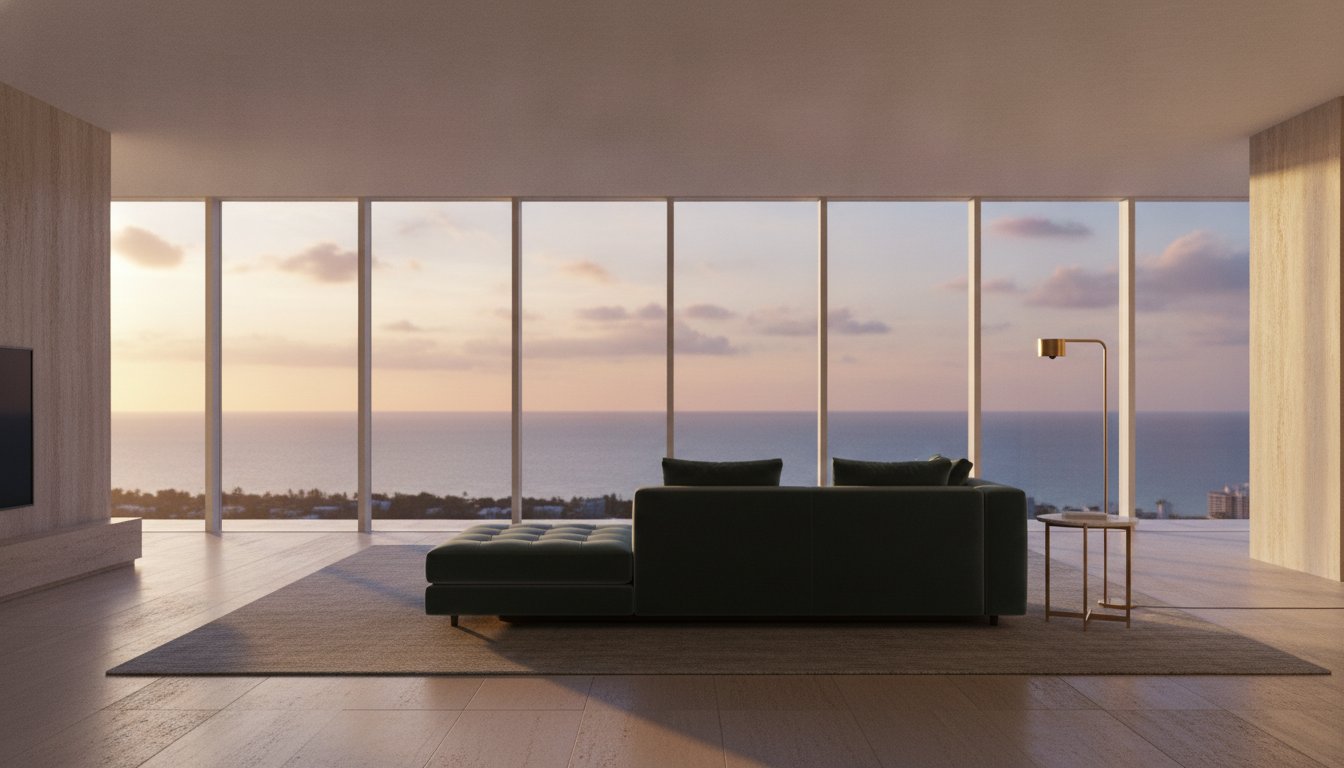
Why is it that some of the most meticulously curated residences feel less like a retreat and more like a silent, untouchable gallery? You’ve likely felt that jarring disconnect: the sharp contrast between a space that looks flawless in a photograph and one that actually allows your nervous system to exhale after a day of urban overstimulation. Designing a home that feels like a sanctuary requires moving beyond surface-level aesthetics to embrace a deeper, more technical approach to comfort and quietude.
It's a common struggle to balance an uncompromising sense of style with the physical need for a space that feels intimately yours. We'll show you how to bridge the gap between high-end architectural precision and true emotional restoration by focusing on the bespoke elements that anchor the soul. This guide explores the sensory design principles, from the deliberate flow of interior architecture to the tactile luxury of rare materials, that transform a house into a private, restorative world tailored to your specific emotional needs.
Key Takeaways
- Shift your focus from social trends to emotional resonance, ensuring your home serves as a functional tool for psychological and physiological restoration.
- Master the technical elements of designing a home that feels like a sanctuary by utilizing expert space planning and lighting to regulate mood and circadian rhythms.
- Elevate the tactile experience of your living space through the careful selection of finishes and bespoke furniture crafted by elite Italian manufacturers.
- Learn to localize the concept of serenity by adapting design choices to the unique light and atmosphere of environments like the Bay Area or Miami.
- Recognize the value of a professional design consultation to bridge the gap between a sterile showroom aesthetic and a deeply personal, restorative retreat.
The Philosophy of a Sanctuary: Moving Beyond Aesthetics to Emotional Resonance
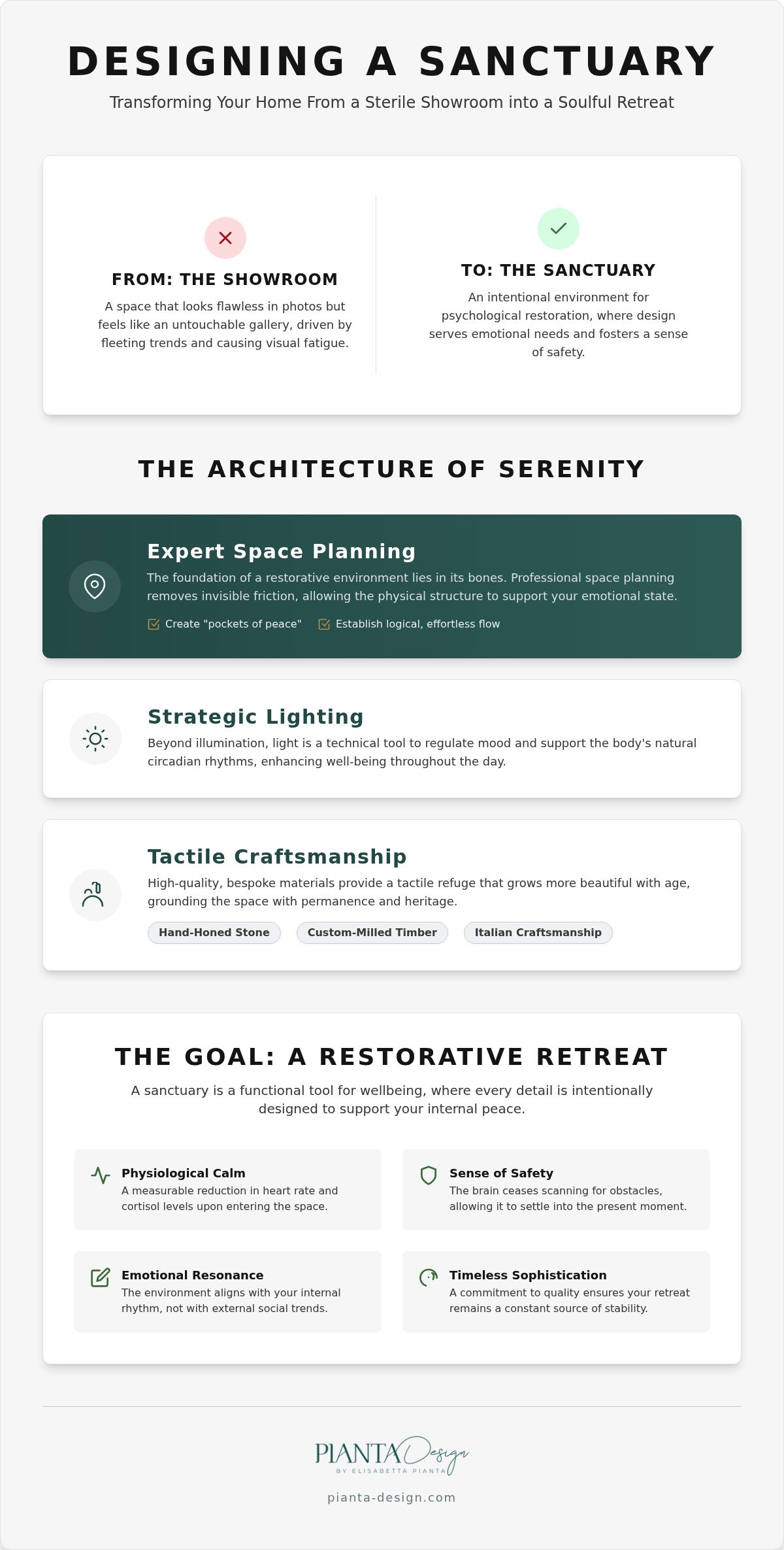
True luxury is often misunderstood as a purely visual display of wealth. While a showroom might impress a guest, it rarely comforts the owner. A modern sanctuary is an intentional environment designed for psychological and physiological restoration. It's a space where the architecture aligns with your internal rhythm. Designing a home that feels like a sanctuary requires a fundamental shift in perspective: we must prioritize your well-being over the fleeting dictates of social media trends.
This is the essence of quiet luxury. It's a philosophy where elegance and modernity aren't the end goals, but rather the tools we use to serve the soul. At Pianta Design, we believe that a space only achieves true sophistication when it resonates with the inhabitant's emotional needs. If a room doesn't lower your heart rate and provide a sense of safety, it hasn't fulfilled its purpose. Professional design should be a bridge between your external world and your internal peace.
The Psychology of Space and Wellbeing
Every physical detail in your environment sends a signal to your brain. Clutter and poor circulation don't just look messy; they actively contribute to elevated cortisol levels and daily stress. We use negative space as a deliberate design element. It isn't empty space. It's a visual pause that allows the mind to rest. Transitioning from a mere house to a restorative home happens when every corner is planned with intention. When the flow of a room feels natural, your brain stops scanning for obstacles and begins to settle into the present moment.
Timeless Sophistication vs. Fleeting Trends
The showroom trap often stems from chasing aesthetic cycles that expire within months. These trends lead to visual fatigue, leaving you with a home that feels dated and disjointed. We focus on residential interior design that emphasizes permanence. By sourcing authentic Italian craftsmanship, we establish a sense of heritage that transcends seasons. High-quality materials like hand-honed stone or custom-milled timber don't just look better; they provide a tactile refuge that grows more beautiful with age. Designing a home that feels like a sanctuary means choosing elements that will still feel relevant and comforting twenty years from now. This commitment to quality ensures that your retreat remains a constant source of stability in an ever-changing world.
The Architecture of Serenity: Using Space Planning and Lighting to Anchor the Soul
While many believe a retreat is created through soft furnishings alone, the true foundation of a restorative environment lies in its bones. Designing a home that feels like a sanctuary starts with interior architecture. It's about how a room breathes and how you move through it. If the layout is clunky or the transitions between rooms feel abrupt, your mind remains in a state of low-level alertness. Professional space planning removes these invisible points of friction, allowing the physical structure of your home to support your emotional state rather than challenge it.
In larger, open-plan residences, the challenge is often a lack of intimacy. We solve this by creating "pockets of peace" using architectural interventions. These are deliberate zones designed for quiet reflection, distinct from the social energy of the kitchen or Great Room. By manipulating volume, sightlines, and floor levels, we anchor the soul within the vastness of a luxury property. This structural approach ensures that your home doesn't just look impressive; it feels deeply personal and protective.
The Power of Professional Space Planning
A logical flow is the silent architect of a calm mind. When your daily routines happen without effort, your stress levels naturally drop. We prioritize zoning that respects both your social life and your need for solitude. In our residential projects in Park City, for example, we often use space planning to frame mountain views as the primary "art" of the home. By positioning furniture and structural openings to capture the shifting light on the peaks, we ground the interior in the permanence of the surrounding landscape. If you are ready to refine your environment, a professional Space Planning consultation can reveal how to better align your home’s layout with your lifestyle.
Lighting Design as a Restorative Tool
Light is perhaps the most powerful technical tool in regulating human mood and circadian rhythms. A sanctuary shouldn't rely on harsh, overhead fixtures that trigger a "fight or flight" response. Instead, we layer light to create a soft, immersive atmosphere. We utilize three distinct layers to provide balance:
- Ambient Lighting: The soft, overall glow that mimics the gentle dispersion of daylight.
- Task Lighting: Focused, glare-free light that makes daily rituals feel like a pleasure rather than a chore.
- Accent Lighting: Subtle highlights that draw the eye to sculptural elements or architectural textures.
Modern luxury homes now integrate smart lighting systems that automatically adjust color temperature throughout the day. These systems mimic the natural transition from the cool, blue tones of morning to the warm, amber hues of sunset. This technical precision helps your body prepare for rest, turning your bedroom into a true biological refuge. When designing a home that feels like a sanctuary, we select fixtures that serve as sculptural art by day and sources of restorative warmth by night.
Materiality and Craftsmanship: Sourcing Bespoke Elements for a Tactile Refuge
While space planning and lighting provide the skeleton of a room, materiality is the skin of your retreat. The tactile quality of a surface determines how your body reacts to a space. Cold, synthetic materials can leave a room feeling hollow or impersonal, whereas natural, high-quality finishes offer a grounding presence. Designing a home that feels like a sanctuary means curating a sensory dialogue between you and your environment. Every surface you touch should reinforce a sense of security and permanence.
This commitment to materiality is what separates a high-end residence from a generic luxury space. It requires a move away from the "look" of quality toward the actual substance of it. When we talk about designing a home that feels like a sanctuary, we are discussing the weight of a solid timber door, the cool smoothness of honed stone, and the soft resilience of natural fibers. These elements work together to create a "sensory-first" environment that prioritizes your physical comfort as much as your visual delight.
Authentic Italian Craftsmanship
We leverage over 30 years of industry experience and exclusive relationships with Italian manufacturers to ensure that every material in your home possesses a unique character. Heritage materials like hand-selected marble, solid walnut, and raw silk aren't just aesthetic choices. They carry a weight and history that mass-produced items cannot replicate. This level of craftsmanship provides a sense of exclusivity and timelessness. It transforms a room from a temporary residence into a legacy space. The subtle irregularities in natural stone or the rich grain of a bespoke timber panel provide visual interest that invites the mind to settle into the present moment.
Custom Furniture as a Functional Necessity
Off-the-shelf solutions often fail to respect the specific scale and emotional requirements of a high-end retreat. We specialize in custom furniture design to ensure that every piece supports ergonomic comfort while maintaining visual harmony. This bespoke procurement process extends beyond seating to include art and unique objects, ensuring each element reflects your personal narrative. A sanctuary is most effective when it feels intimately yours, not like a page from a catalog. We focus on balancing hard architectural lines with soft, organic textiles like cashmere and linen. This interplay of textures creates a tactile refuge that remains soft to the touch and welcoming to the spirit, ensuring that your home remains architecturally rigorous yet deeply comforting.
Designing for the Setting: Localizing the Sanctuary from the Bay Area to Miami
A true retreat cannot exist in a vacuum. It must respond to the specific energy and climate of its surroundings to effectively insulate you from them. Designing a home that feels like a sanctuary in the dense, vertical landscape of San Francisco requires a completely different technical approach than creating a coastal refuge in Miami. While the goal of serenity remains constant, the architectural and material solutions must adapt to the external light, noise, and atmosphere of the region.
We believe that local context isn't a constraint, but an opportunity to anchor the soul. Whether we're navigating the strict energy codes of California’s Title 24 or the hurricane resilience standards of the Florida Building Code, our focus remains on how these regulations can be leveraged to enhance your well-being. By aligning our interior designer services with the unique demands of each location, we ensure your home remains a high-performance sanctuary that feels effortless.
The Urban Sanctuary: San Francisco and the Bay Area
In the Bay Area, the primary challenge is often the overstimulation of city life. Designing a home that feels like a sanctuary here means mastering acoustic design. We use specialized wall assemblies and high-performance windows, often exceeding the 2026 Title 24 requirements for a U-Factor of 0.27, to dampen urban noise. This creates a silent interior that feels worlds away from the street. In narrow urban footprints, we blend historic architectural details with minimalist sensibilities, using light-reflective finishes to pull natural brightness deep into the floor plan. The result is a quiet, light-filled refuge that honors the city's heritage without being burdened by its pace.
The Coastal and Mountain Retreats: Miami and Utah
Miami sanctuaries are defined by their relationship with the Atlantic. We utilize cool, desaturated palettes and seamless indoor-outdoor flow to embrace the coastal horizon. Because the Florida Building Code’s 9th Edition mandates extreme wind load resilience, we source bespoke, impact-resistant glass systems that offer expansive views without compromising safety. This allows the sea to become the home’s primary visual anchor, fostering a deep connection to the natural world.
Conversely, our Park City residential projects focus on mountain warmth. We utilize heavy timber, native stone, and rich textiles to create a sense of enclosure against the alpine cold. In Utah, the sanctuary is a cozy, sophisticated cocoon that frames the rugged landscape. Every material choice is designed to provide a sense of permanence and protection. If you're ready to begin your journey, you can schedule a consultation with our design team to explore how we can localize your vision for a peaceful home.
The Pianta Design Approach: Translating Your Vision into a One-of-a-Kind Sanctuary
Designing a home that feels like a sanctuary is a deeply personal journey that requires more than just an eye for beauty; it demands a rigorous, professional process. At Pianta Design, we begin every project with a comprehensive interior design consultation. This initial stage isn't merely about selecting color palettes or floor finishes. It's about uncovering the emotional blueprint of your life. We listen to how you intend to use each space, identifying the specific triggers for stress and the unique elements that bring you peace. By understanding these core needs, we can create a restorative environment that acts as a functional tool for your well-being.
Our role is to act as both your creative partner and your technical advocate. We believe that the process of creating a retreat should be as serene as the final result. Our project management team handles the complex logistics of sourcing, procurement, and installation, ensuring that the design vision is executed without the typical friction of a high-end renovation. This stress-free approach allows you to remain focused on the creative evolution of your home while we manage the intricate details of interior architecture and craftsmanship.
From Conceptual Planning to Technical Drafting
We translate abstract ideas into tangible reality through detailed 3D visualizations and mood boards. This alignment phase is crucial for ensuring that the scale, light, and materiality of the sanctuary feel correct before any construction begins. Once the concept is refined, we move into the technical drafting phase. Here, we collaborate closely with architects and contractors to protect the integrity of the design. This level of detail ensures that the "pockets of peace" we've planned are structurally sound and perfectly integrated into the home's infrastructure. Every joint, seam, and light placement is documented to guarantee a flawless execution.
Art Consultation and the Finishing Touches
The final layer of designing a home that feels like a sanctuary involves art consultation and precise styling. We select pieces that provoke inspiration and stillness rather than adding to the visual noise of a room. Art shouldn't just fill a wall; it should anchor the soul. Our styling process involves curating unique objects that tell a story of travel, heritage, and personal growth. These finishing touches breathe life into the architecture, transforming a sophisticated structure into an intimate, lived-in refuge. We invite you to begin your journey with a principal-led firm that understands how to nurture the spirit through elegant, modern design. Your one-of-a-kind sanctuary is waiting to be realized.
Crafting Your Private Legacy of Peace
A home is more than a collection of curated objects; it's a living environment that should actively protect your peace. We've explored how designing a home that feels like a sanctuary requires a precise blend of interior architecture, technical lighting, and the tactile warmth of bespoke materials. By prioritizing your physiological well-being over passing trends, you create a space that remains timeless and deeply restorative.
At Pianta Design, we bring 30+ years of expertise in luxury residential, commercial, and yacht design to every project. Through principal-led design by Maria Pianta, our firm provides exclusive access to bespoke Italian manufacturers, ensuring your retreat is as unique as your personal narrative. Whether you're dampening the noise of San Francisco or embracing the light of Miami, the right guidance ensures your vision is executed with absolute integrity and zero stress.
Begin your sanctuary journey with a professional interior design consultation from Pianta Design. The path to a more intentional, serene lifestyle starts with the environment you inhabit every day. It's time to transform your house into the sanctuary you deserve.
Frequently Asked Questions
What are the best colors for a home that feels like a sanctuary?
The most effective palettes for designing a home that feels like a sanctuary utilize warm neutrals and desaturated organic tones. Colors like soft mushroom, sand, and sage green reduce visual overstimulation. These shades don't compete for your attention, allowing the mind to rest. We avoid stark, cold whites in favor of complex, layered neutrals that respond beautifully to shifting natural light throughout the day.
How can lighting design improve the mood of my home?
Lighting design improves mood by aligning your environment with your body's natural circadian rhythms. We use smart systems to transition from bright, cool morning light to warm, amber tones in the evening. This technical precision helps regulate melatonin production and reduces stress. By layering ambient, task, and accent lighting, we create a soft, immersive atmosphere that feels protective rather than exposing.
What is the difference between an interior decorator and a luxury interior designer?
A luxury interior designer manages the structural and technical aspects of a project, whereas a decorator primarily focuses on surface aesthetics. Our work involves interior architecture, space planning, and technical drafting to ensure the bones of a room support your well-being. We collaborate with architects and contractors to protect design integrity. Decorators typically handle furniture selection and color schemes without altering the physical structure.
Why is custom furniture important for a high-end sanctuary?
Custom furniture is essential because it allows for perfect ergonomic support and architectural scale within your retreat. Mass-produced pieces often feel disjointed or uncomfortable in a high-end setting. By designing bespoke items, we ensure every chair and sofa is tailored to your physical needs and the room's specific volume. This creates a tactile refuge that feels intimately yours rather than a generic showroom display.
How do I start the process of redesigning my home into a sanctuary?
You begin the process with a principal-led interior design consultation to identify your core emotional needs. We look beyond aesthetics to understand where your current environment creates friction or stress. This phase involves assessing your daily rituals and how you move through your space. Once these needs are clear, we move into conceptual planning and technical drafting to realize your vision for a restorative home.
Can a commercial space or a yacht also feel like a sanctuary?
Serenity is a universal requirement, so we apply the same sensory design principles to commercial spaces and yacht interiors. In a high-stakes office or a private vessel, the need for a restorative environment is even more acute. We use acoustic design and bespoke materiality to insulate these spaces from external chaos. Designing a home that feels like a sanctuary on the water requires specialized technical knowledge and 30 years of experience.
What role does space planning play in creating a peaceful home?
Space planning is the silent foundation of a peaceful home because it eliminates the daily friction that causes low-level stress. When a layout is logical and flows effortlessly, your nervous system can finally relax. We use professional space planning to create "pockets of peace" and distinct zones for social connection. This architectural alignment ensures that your home supports your internal rhythm rather than challenging it.
How does Pianta Design incorporate Italian craftsmanship into their projects?
We incorporate Italian craftsmanship through exclusive, long-standing relationships with elite manufacturers in Italy. This allows us to source heritage materials, such as hand-honed marble and custom-milled walnut, that aren't available to the general public. These bespoke elements provide a sense of permanence and exclusivity. By leveraging our 30 years of experience, we ensure that every finish in your home reflects a legacy of quality and artistic precision.
